
Join PBS in commemorating the country’s 250th Anniversary with content exploring how the United States came together, showcasing its rich history, treasured artifacts, and performances and art that define America.
The American Revolution
Thirteen American colonies unite in rebellion, win an eight-year war to secure their independence, and establish a new form of government that would inspire democratic movements at home and around the globe. What begins as a political clash between colonists and the British government grows into a bloody struggle that will engage more than two dozen nations and forever change the world.
Featured Shows


Revolutionary Iowans
The American Revolution did not end when the war was won; it continued on through the people who carried its ideals forward. Though not part of the Revolutionary War itself, these Iowans embodied its enduring principles of liberty, equality, and civic responsibility. Through acts of service, advocacy, leadership and innovation, they helped shape their communities and advance the ongoing pursuit of justice and opportunity for all. Their stories remind us that the revolutionary spirit lives on in the everyday actions of ordinary people. By sharing these stories across the state, Iowa PBS celebrates the power of local voices to strengthen democracy and inspire civic engagement.
We’re excited to host "Revolutionary Iowans," a pop-up display celebrating America’s 250th anniversary, in all of Iowa's 99 counties.
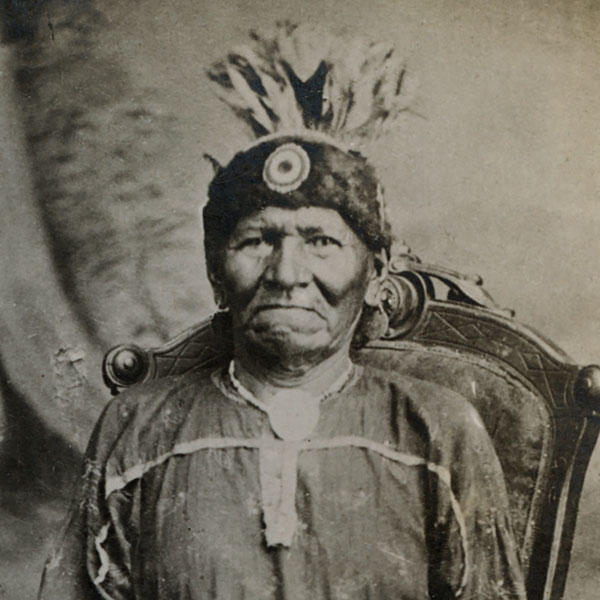
Ma ta we qua
Ma ta we qua was a respected Meskwaki war chief and cultural leader whose life spanned one of the most turbulent eras in tribal and Iowa history.
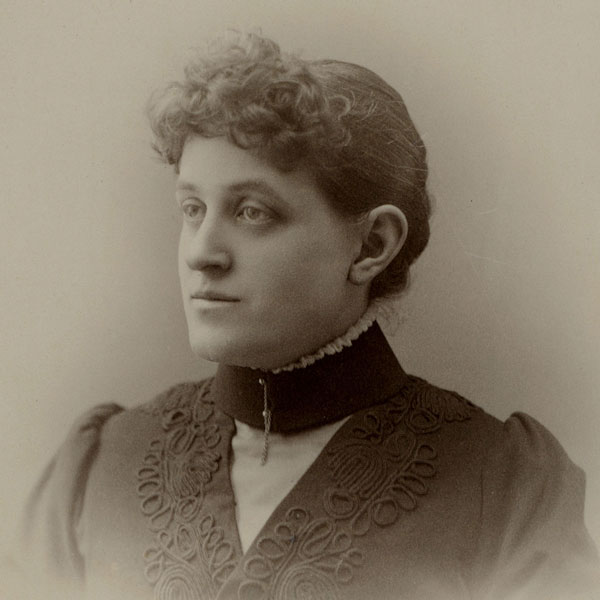
Carrie Chapman Catt
Carrie Chapman Catt’s legacy is inseparable from one of the most transformative moments in American democracy: the enfranchisement of women.

Mia Peterson
When Mia Peterson was born with Down Syndrome in 1973, schools called children like her “trainable, not educable.” Mia proved them wrong.
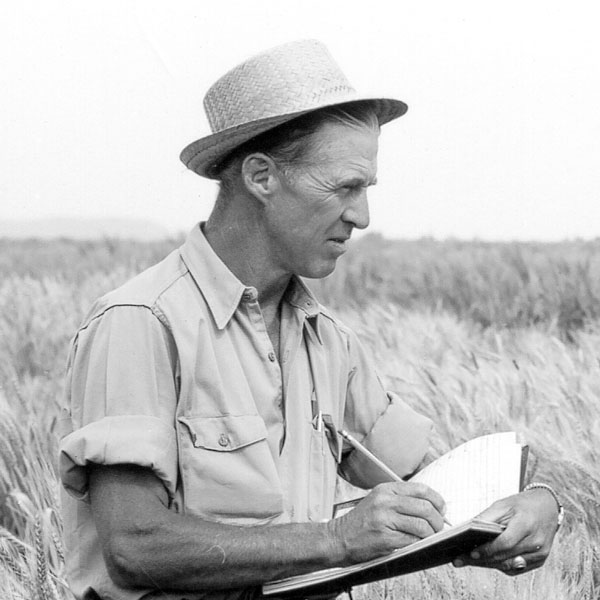
Dr. Norman Borlaug
Norman Borlaug’s legacy is defined by his lifelong commitment to fighting hunger through science, innovation, and persistence.
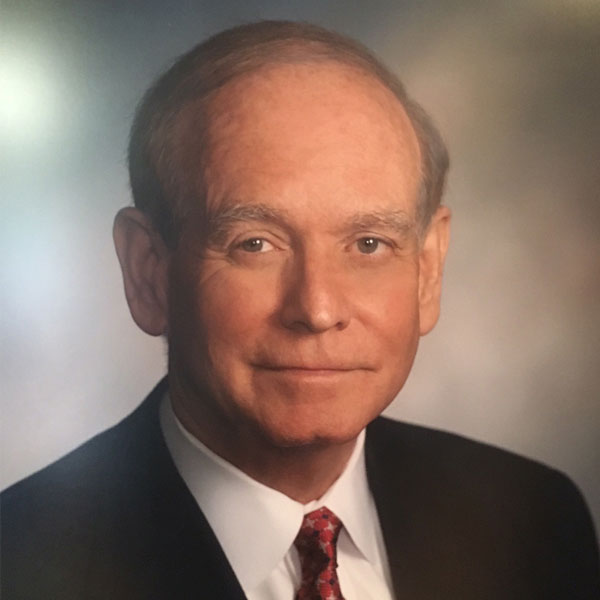
Robert Ray
Governor Robert D. Ray’s legacy is defined by principled governance, moral courage, and an enduring belief that public service should rise above politics.
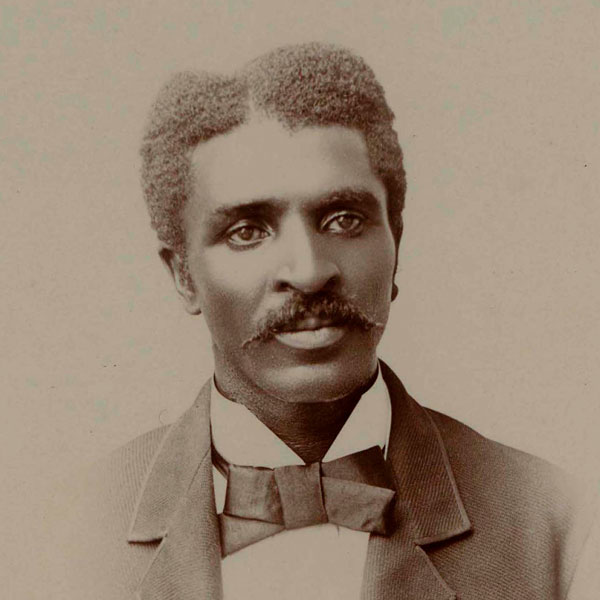
George Washington Carver
Carver challenged segregation and advanced both science and social progress.
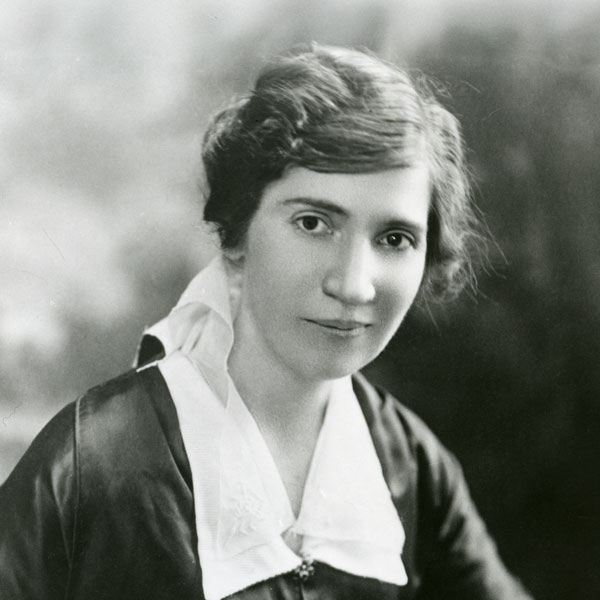
Jessie Shambaugh
Jessie Shambaugh was a pioneering educator whose innovations in rural education helped shape the 4-H movement.
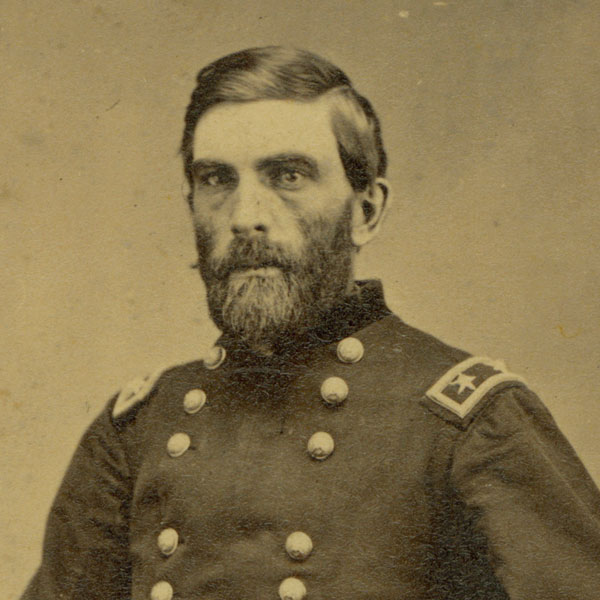
Grenville Dodge
Major General Grenville Dodge was a soldier, engineer, and railroad builder whose work was central to opening the American West.
Artifact Iowa
Iowa’s history is still with us — embedded in objects, inventions and everyday items that quietly carry the stories of the people who lived, worked and dreamed here. These tangible remnants open windows into how Iowans once thought, what they valued and how they shaped the world around them.
Artifact Iowa tells Iowa’s story through real objects from Iowa’s past. Each episode will center on a single artifact to unpack the larger human story behind it — revealing moments of innovation, resilience, creativity and change that define our state’s history.
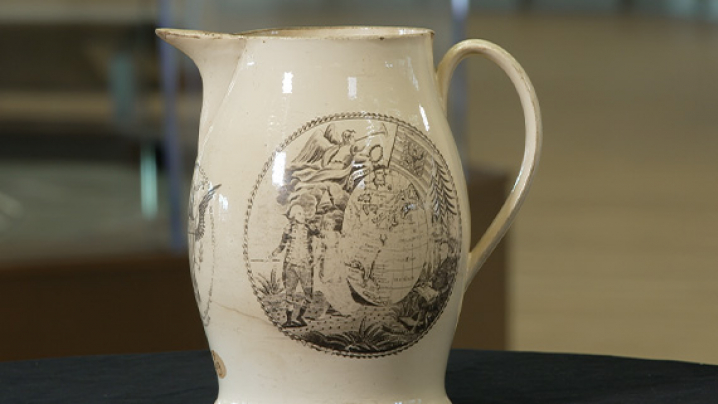
Liverpool Pitcher
Made to remember the Revolutionary War, this 1804 Liverpool Pitcher arrived in America as ship ballast.
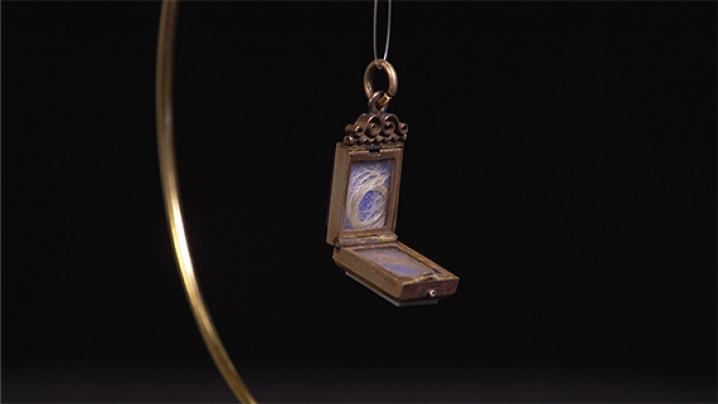
Hair Locket
In colonial America, keeping locks of hair was a common form of remembrance, particularly for family members, but also for prominent figures such as George Washington and Anthony Wayne.
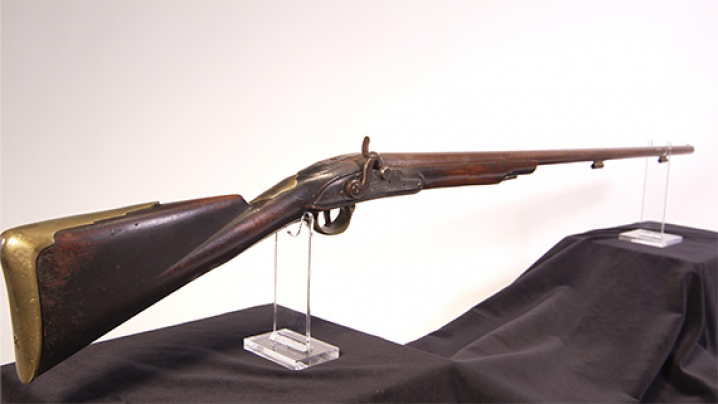
Brown Bess Musket
On September 23, 1780, David Williams and two other American militiamen used this captured Brown Bess musket to stop Major John André as he rode toward British lines in New York.
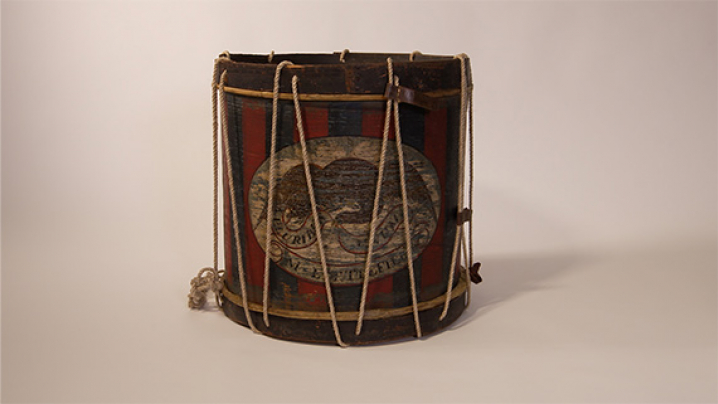
Littlefield Drum
Before the field telephones and radios of World War I, drums were used to convey orders and direct troop movements.
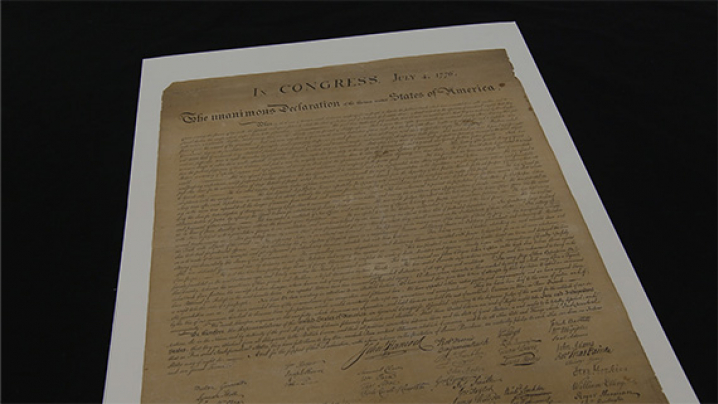
The Declaration of Independence
This 1843 William Stone copy of the Declaration of Independence has been part of the State Historical Society of Iowa’s Special Collections since 1947.
Corporate funding for THE AMERICAN REVOLUTION was provided by Bank of America. Major funding was provided by The Better Angels Society and its members Jeannie and Jonathan Lavine with the Crimson Lion Foundation; and the Blavatnik Family Foundation. Major funding was also provided by David M. Rubenstein; The Robert D. and Patricia E. Kern Family Foundation; Lilly Endowment Inc.; and the following Better Angels Society members: Eric and Wendy Schmidt; Stephen A. Schwarzman; and Kenneth C. Griffin with Griffin Catalyst.
Additional support for THE AMERICAN REVOLUTION was provided by: The Arthur Vining Davis Foundations; The Pew Charitable Trusts; Gilbert S. Omenn and Martha A. Darling; Park Foundation; and the following Better Angels Society members: Gilchrist and Amy Berg; Perry and Donna Golkin; The Michelson Foundation; Jacqueline B. Mars; Kissick Family Foundation; Diane and Hal Brierley; John H. N. Fisher and Jennifer Caldwell; John and Catherine Debs; The Fullerton Family Charitable Fund; Philip I. Kent; Gail Elden; Deborah and Jon Dawson; David and Susan Kreisman; The McCloskey Family Charitable Trust; Becky and Jim Morgan; Carol and Ned Spieker; Mark A. Tracy; and Paul and Shelley Whyte. THE AMERICAN REVOLUTION was made possible, in part, with support from the Corporation for Public Broadcasting.