Carrie Chapman Catt
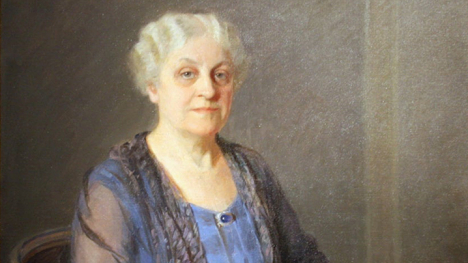
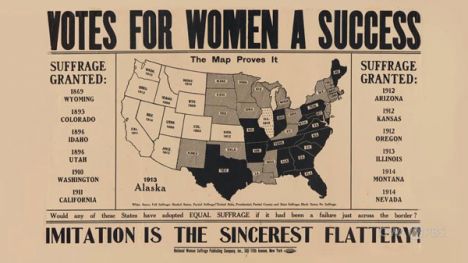
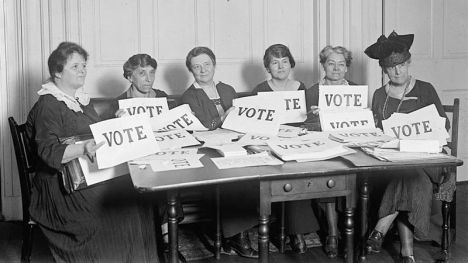
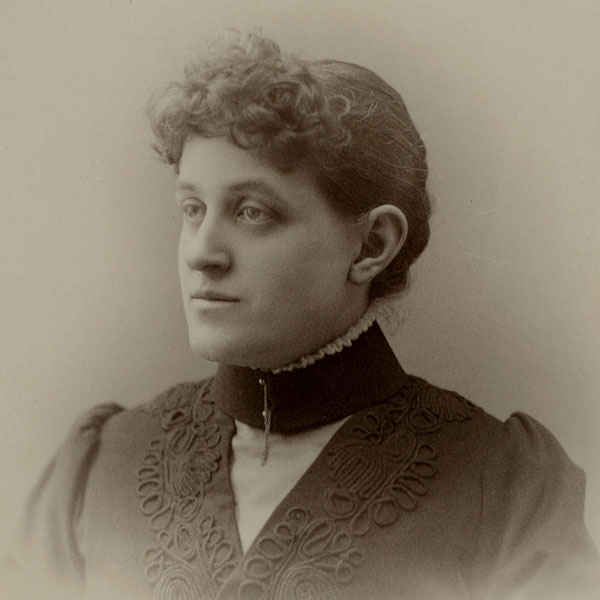 Carrie Chapman Catt’s legacy is inseparable from one of the most transformative moments in American democracy: the enfranchisement of women. After more than four decades of relentless advocacy, her work helped make possible the ratification of the 19th Amendment in 1920, allowing millions of women to vote for the first time.
A gifted strategist and potent political leader, Catt guided the National American Woman’s Suffrage Association during a turbulent era, succeeding Susan B. Anthony and carrying the movement to victory despite ridicule, resistance, and entrenched opposition. Her leadership was shaped by both idealism and pragmatism—marked by tireless sacrifice, but also by compromises that continue to provoke critical reflection.
Her story is not only one of triumph, but of how democratic change is forged: imperfectly, persistently, and through determined engagement with the political system.
Learn More