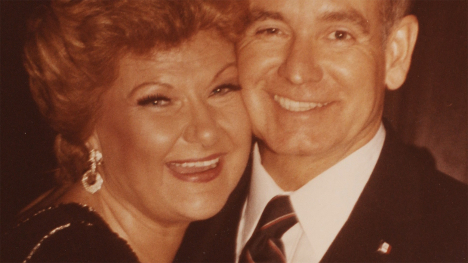
Robert Ray
 Governor Robert D. Ray’s legacy is defined by principled governance, moral courage, and an enduring belief that public service should rise above politics. Serving 14 years as Iowa’s 38th governor, Ray—an unapologetic yet moderate Republican—approached leadership with even-handed pragmatism. He rejected ideological decision-making, insisting instead on careful, ethical judgment aimed at what was right for Iowans, a stance that earned him deep bipartisan respect.
Ray modernized Iowa’s government, building on earlier reforms to bring an outdated bureaucracy into the modern era. His reputation for decisive leadership crystallized in the mid-1970s when he grounded Iowa’s National Guard to force the federal government to compensate families whose homes were destroyed during guard training missions. The bold move worked, cementing Ray’s image as a governor willing to confront Washington to protect his citizens.
His most far-reaching legacy, however, came through refugee resettlement. At a time when few governors acted, Ray opened Iowa’s doors to Southeast Asian refugees fleeing war, genocide, and persecution. He welcomed the Tai Dam people and later championed broader national resettlement efforts, influencing federal policy and saving thousands of lives.
Beyond office, Ray remained a civic leader, educator, and advocate for civility, leaving Iowa—and the nation—changed by his quiet resolve and humanitarian vision.
Learn More