A back and forth over how many gallons of renewable fuels will get blended into the fuel supply may well be swinging towards refiners leaving row crop producers in the balance.
Changes to How Rin Credits Are Used May Effect up to Two Billion Gallons of Biofuels
Share


A back and forth over how many gallons of renewable fuels will get blended into the fuel supply may well be swinging towards refiners leaving row crop producers in the balance.
Transcript
A back and forth over how many gallons of renewable fuels will get blended into the fuel supply may well be swinging towards refiners leaving row crop producers in the balance.
This week, EPA officials released a proposed rule with three options that could directly affect the ethanol and corn markets. The change will allow a certain number of RINs, certificates which track renewable fuels from creation to use, to be used for compliance with federal law in the 2026 and 2027 production years.
Of the available RINs, the EPA is proposing a 100% transfer, a 50% transfer or a 0% transfer to those years. The change could affect up to two billion gallons of renewable fuels like cellulosic biofuel and biodiesel.
The Iowa Renewable Fuels Association believes those RINS should be allocated now and applied to production that took place between 2023 and 2025.
The EPA has more RINs to give due to small refinery exemptions, or SREs, granted last month to various companies experiencing economic hardships for production that took place between 2016 and 2024. The EPA’s decision granted full or partial SRE’s to 140 companies that had been either held up or denied under the Trump and Biden Administrations.
For Market to Market, I’m David Miller.
contact: miller@iowapbs.org
Watch More

Data paints farmers further behind with the price spikes in fertilizer and fuel. Oversight comes to the committee room for the CFTC. The dairy industry finds balance as new tastes churn fresh optimism. And, commodity market analysis with Ted Seifried.
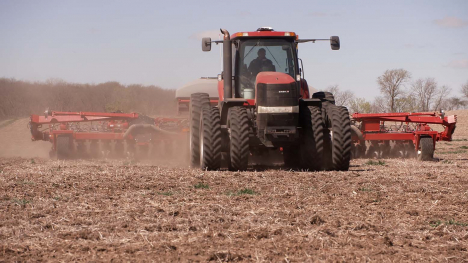
A survey shows price spikes brought on by the war with Iran add to producer financial troubles
Always be looking towards the next crop. Ted Seifried has thoughts about ‘27 in our Market Plus.

A seasonal rally is returning to the corn market according to Ted Seifried in our Market Analysis.

This week, the House Agriculture Committee heard testimony from Michael Selig, the Chairman of the Commodity Futures Trading Commission. Many of the questions focused on farmer’s access to trading and pricing data, and enforcement of insider trading on prediction markets.

The Iran conflict's impact on fertilizer markets, the economic maturity of ethanol, and why maritime shipping may be the most overlooked near-term demand opportunity for corn farmers right now. All of this is happening against a backdrop of tightening margins and generational transition on the farm. CoBank economist Jacqui Fatka is our guest this week.