With margins expected to be tight, some in farm country are concerned about spikes in the price of farm inputs.


With margins expected to be tight, some in farm country are concerned about spikes in the price of farm inputs.
Transcript
With margins expected to be tight, some in farm country are concerned about spikes in the price of farm inputs.
The United States bombing campaign in Iran has caused crude oil prices to rise 10 percent this week. Retail gasoline prices in the U. S. have risen between 10 and 25 cents.
Energy and agricultural analysts believe that a short conflict in the Middle East will not have long term impacts on energy and fertilizer costs. But a long term war could drive farmers to reduce their corn acres due to high fertilizer costs.
While the USDA’s Grains Outlook for 2026 estimates 94 million acres of corn in the coming growing season, a drop of 4 million acres from 2025, a spike in fertilizer costs could push more acres away from corn.
Fertilizer represents about 25 percent of the input costs for soybeans and 30 percent of the input costs for corn. Any spike in the price of fertilizer would turn corn and soybean revenues negative for the year.
For Market to Market, I’m Peter Tubbs
Watch More
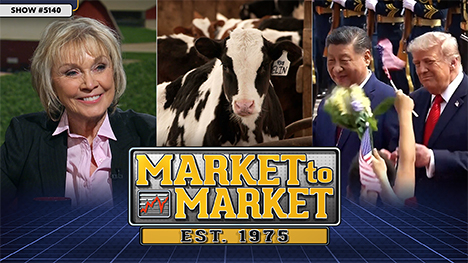
The White House adds detail to the new trade deal, while China dodges the details. The drought continues to hammer the south and west. We’ll look at the ticking clock facing the dairy industry. And, commodity market analysis with Sue Martin.
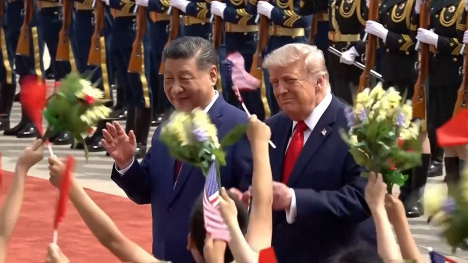
The White House announced this week that President Trump has secured “historic trade deals with China” after his visit last week with President Xi.
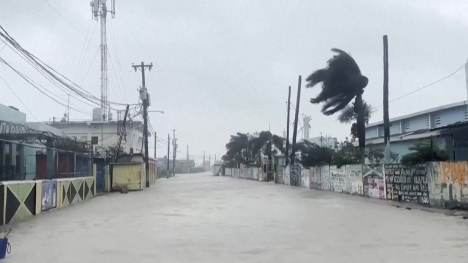
This week, the East Coast received an early blast of summer, with highs in Philadelphia reaching into the 90’s with the heatwave expected to continue through the weekend.
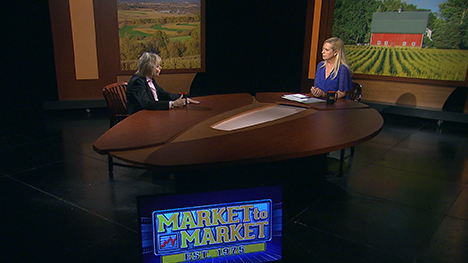
Sue Martin talks interest rates, oil, corn, soybeans, hogs, cattle and packing plants in our Market Plus.
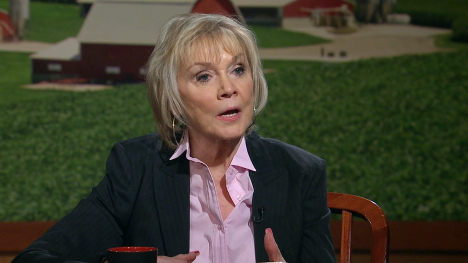
Sue Martin discusses the latest trade deal with China along with corn, soybeans, cattle and hogs in our Market Analysis.

El Niño is officially here, and it may be intensifying fast. Eric Hunt updates us on pasture and wheat conditions in Nebraska and beyond from his role at the University of Nebraska-Lincoln.