The Russian blockade of Ukraine may keep millions of tons of grain off of global markets, would could lead to famine in dozens of countries.


The Russian blockade of Ukraine may keep millions of tons of grain off of global markets, would could lead to famine in dozens of countries.
Transcript
As the Russian invasion of Ukraine drags on, observers are concerned about the availability of grain from the region to feed the global population.
Kees Huizinga, Dutch Farmer in Ukraine: “There's still 25 million tons and grain and oil seeds left in Ukraine, that's a third of last year's harvest, so we already have a huge logistical problem.”
Huizinga moved to Ukraine 20 years ago and manages 37,000 acres of farm ground. The stocks of last year’s crops still in storage will soon be in the way of this summer’s harvest.
The main logistical bottleneck is the closed port at Odessa. While the city remains under Ukrainian control, the Russian navy continues to limit shipping in the Black Sea to only Russian ports.
Huizinga: "I am really anxious, yeah. The only option to get the grain out of Ukraine is through the Black Sea ports. They have to be open, that's the only option."
The World Food Program is warning that an inability to distribute grain from the Black Sea region will lead to famine in dozens of countries, which could lead to political destabilization in multiple parts of the world.
David Beasley, Executive Director of the UN's World Food Program: “People that are in serious food insecurity that are on the brink of famine? We have 49 million knocking on famine's door right now in 43 countries. I could tell you which 43 countries very well will have famine, destabilization and mass migration. There's only one solution to getting the food, the grains out of Ukraine. It's the ports, the ports in the Odessa region.”
For Market to Market, I’m Peter Tubbs.
Watch More
The White House adds detail to the new trade deal, while China dodges the details. The drought continues to hammer the south and west. We’ll look at the ticking clock facing the dairy industry. And, commodity market analysis with Sue Martin.
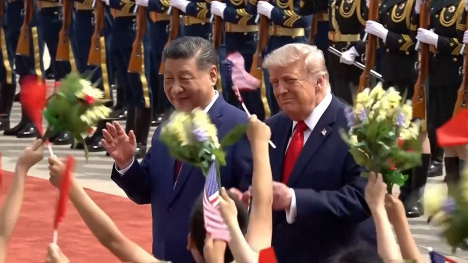
The White House announced this week that President Trump has secured “historic trade deals with China” after his visit last week with President Xi.
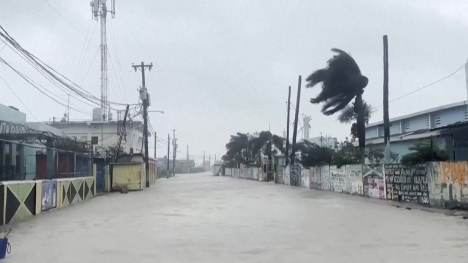
This week, the East Coast received an early blast of summer, with highs in Philadelphia reaching into the 90’s with the heatwave expected to continue through the weekend.
Sue Martin talks interest rates, oil, corn, soybeans, hogs, cattle and packing plants in our Market Plus.

Sue Martin discusses the latest trade deal with China along with corn, soybeans, cattle and hogs in our Market Analysis.

El Niño is officially here, and it may be intensifying fast. Eric Hunt updates us on pasture and wheat conditions in Nebraska and beyond from his role at the University of Nebraska-Lincoln.