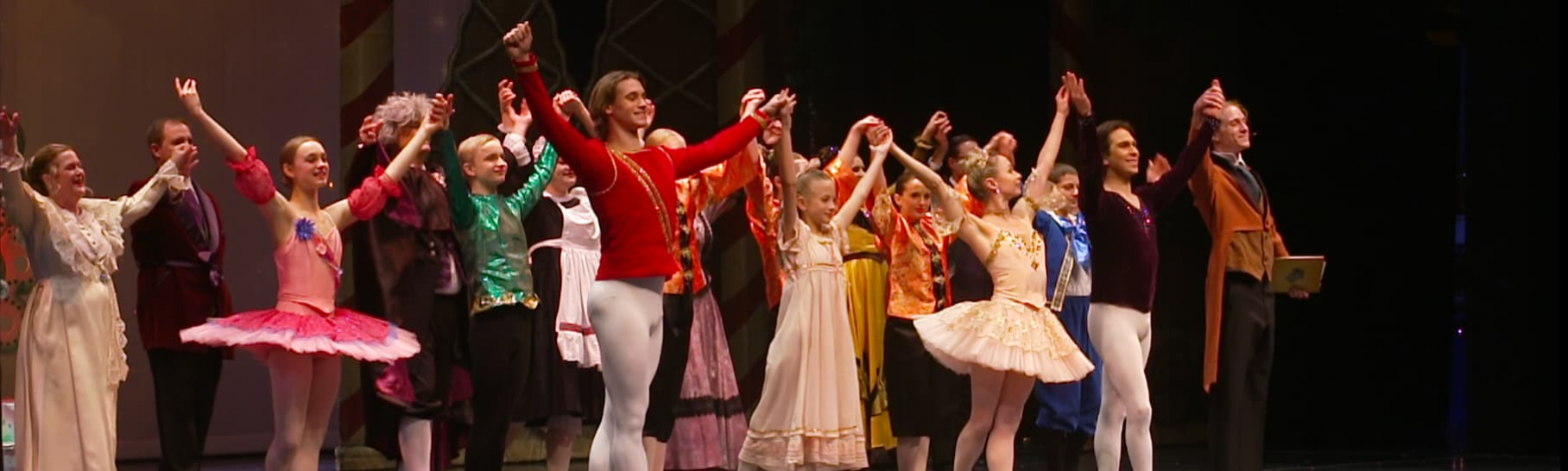
The Science Behind the Stage: Finding STEM in The Nutcracker


When the curtain rises on The Nutcracker ballet, audiences see magic: snow drifting across a stage, dancers moving effortlessly through a winter scene, and carefully timed scenery and lighting creating an entirely new world. But behind that magic is an opportunity for educators to ask, “How does that work?”
The Iowa Science Phenomena collection offers a way to turn that question into classroom learning. The Iowa State University 4-H’s Nutcracker + STEM featured phenomena invite students to look behind the performance and investigate the science, engineering, and technology that make theatrical effects possible.
Consider the snowfall in Iowa State University 4-H’s Nutcracker + STEM performance. What appears to be magical snow is actually the result of extensive engineering design. Stage crews had to consider appearance, safety, cost, cleanup, and the way the material would move through the space. Their solution uses recycled and bleached plastic grocery bags released through a “snow sling” operated through the backstage fly system. That single effect can open the door to questions about forces and motion, materials, systems, engineering constraints, energy, and even environmental considerations for design.
Dr. Sara Nelson, adjunct assistant professor for Iowa 4-H Youth Development, says, “Nutcracker + STEM transforms a beloved holiday tradition into a lens for scientific discovery. By connecting iconic scenes from The Nutcracker ballet to real-world phenomena, educators engage students through storytelling, music, movement, and curiosity. It shows that science is everywhere, from the stage lights and choreography of a theater to the natural phenomena that inspire wonder in our world. It is a fresh way to bring STEM to life while creating memorable connections for learners of all ages.”
And the snowfall is just the beginning! Students can investigate the motion of stage curtains, explore how costumes are designed to allow freedom of movement, or discover the physics behind a ballet dancer’s pirouette.
The next time students watch snow fall on a stage, invite them to look twice. What do they notice? What do they wonder? What would they need to know to explain or re-create the effect? Sometimes, the best place to find STEM isn't behind a laboratory door. It's behind the curtain. Explore the Iowa Science Phenomena collection and discover the science behind Nutcracker + STEM!
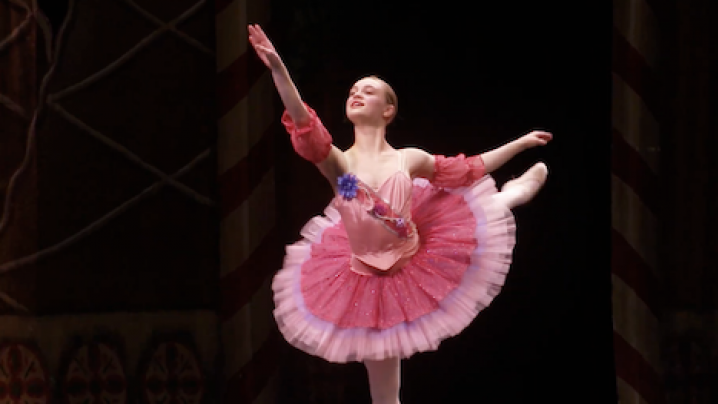
Iowa State University 4-H’s Nutcracker + STEM Featured Phenomena
- Costume Design for Stage Performances (6-ETS1-1): What must be considered to successfully design a costume for a stage performance?
- Designing Snowfall for Stage Performances (6-ETS1-1): What must be considered to successfully design a mechanism for simulating snowfall for a stage performance?
- The Motion of Ballet Rotations (8-PS1-1): How do forces impact a dancer in motion?
- Physics of a Theater Fly System (7-PS2-2): How does a theater fly system use balanced and unbalanced objects to move stage scenery and lights?