
Artifact Iowa
Iowa’s history is still with us — embedded in objects, inventions and everyday items that quietly carry the stories of the people who lived, worked and dreamed here. These tangible remnants open windows into how Iowans once thought, what they valued and how they shaped the world around them.
Artifact Iowa tells Iowa’s story through real objects from Iowa’s past. Each episode will center on a single artifact to unpack the larger human story behind it — revealing moments of innovation, resilience, creativity and change that define our state’s history.
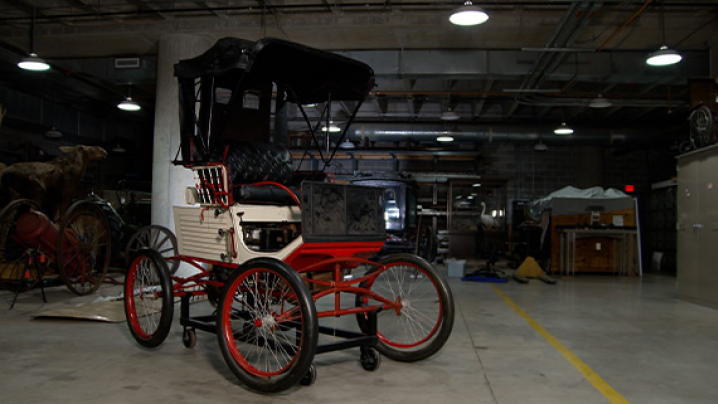
1899 Locomobile used steam, bicycle wheels and tiller steering to help launch the automotive age.
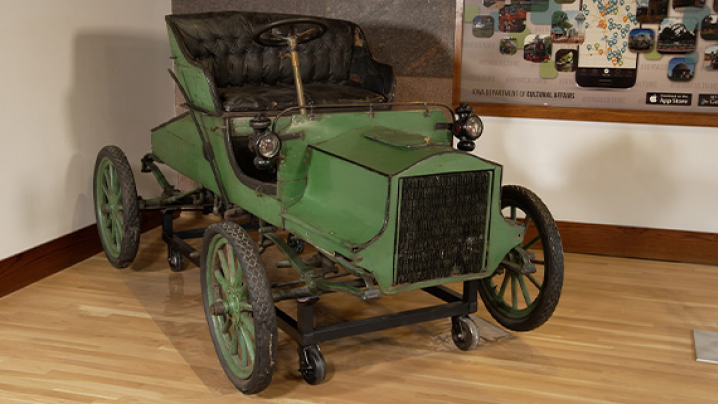
The 1903 Cadillac Runabout tells the remarkable story behind Ford and Cadillac's shared beginning.
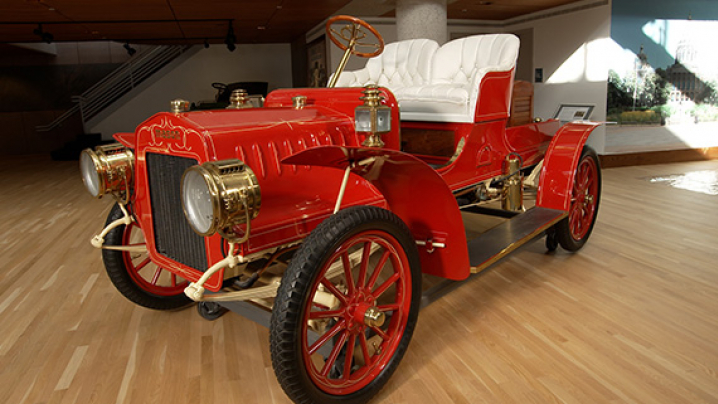
The Mason Runabout, designed by the Duesenberg brothers of Rockford, Iowa, climbed the Capitol steps in 1906.
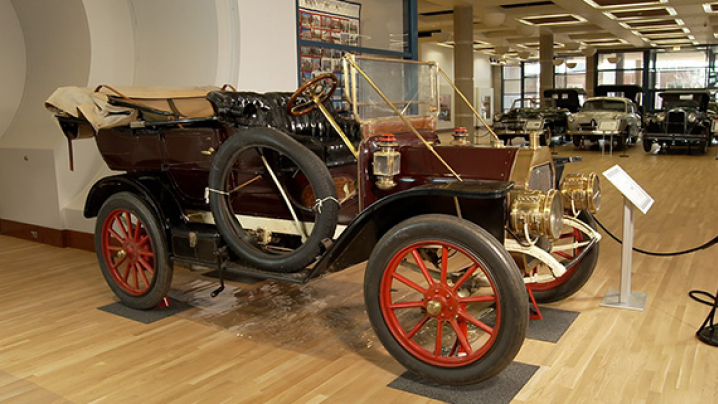
Maytag once built automobiles; the 1910 Maytag Mason reflects Frederick Maytag and the Duesenbergs’ legacy.
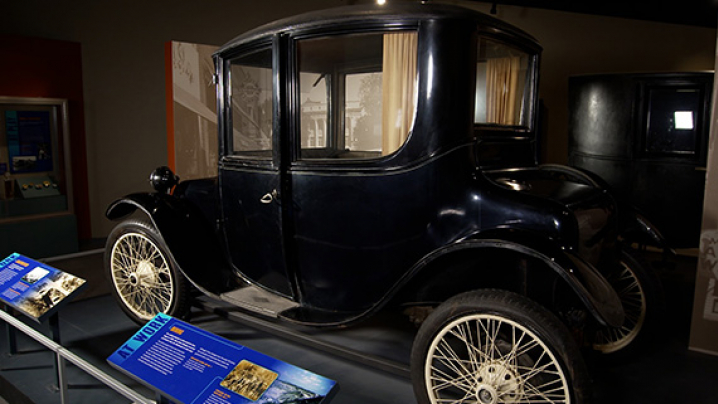
A century before today’s electric vehicle trend, the 1919 Milburn Electric was changing how Americans traveled.
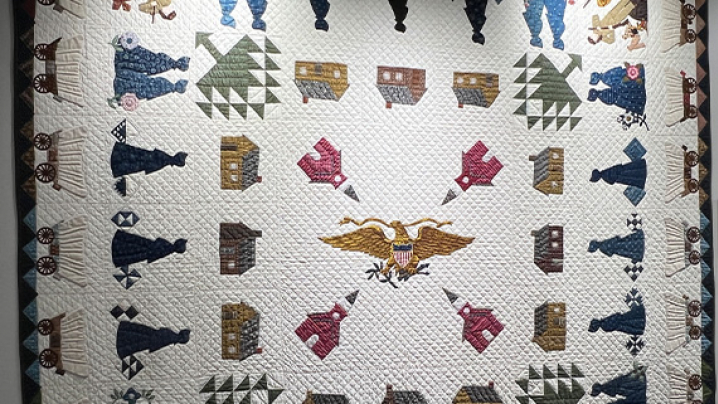
Created to mark the American Revolution bicentennial—a defining milestone in U.S. history.
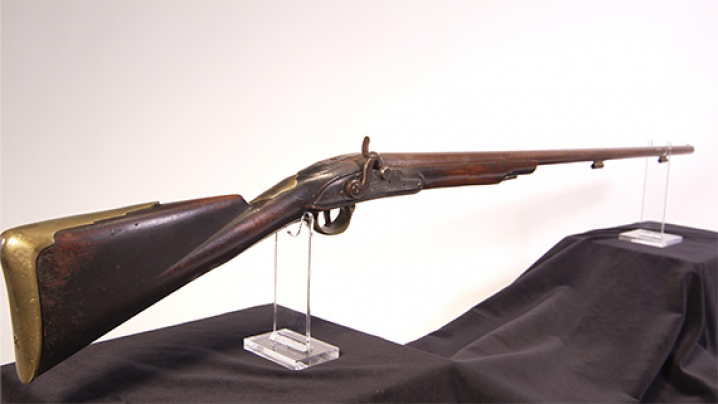
The loan of this Brown Bess musket to David Williams during the Revolutionary War foiled Major John André’s plans.
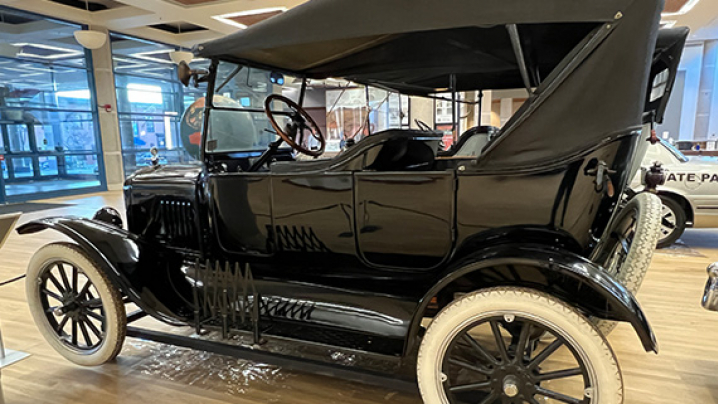
The Ford Model T made the freedom of the open road accessible to more Americans than ever before.
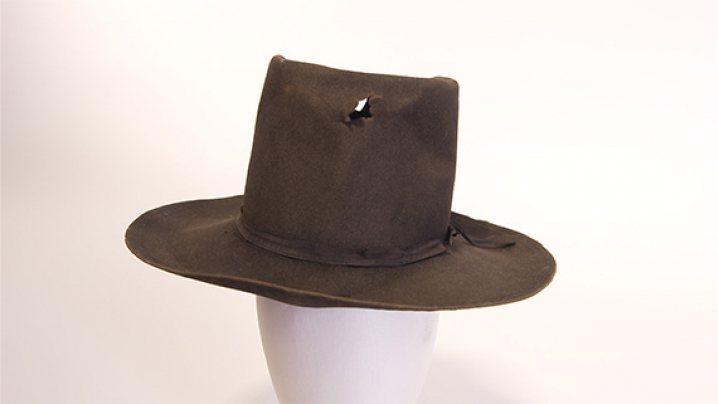
General Grenville Dodge’s hat—pierced by a bullet—became one of the Civil War’s most unexpectedly famous accessories.
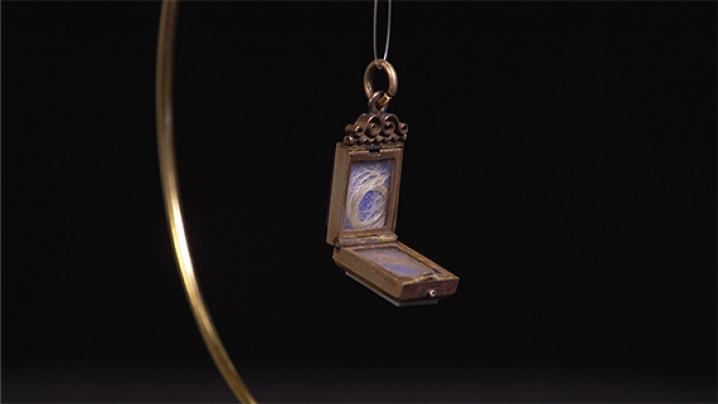
In colonial America, keeping locks of hair was a common form of remembrance.
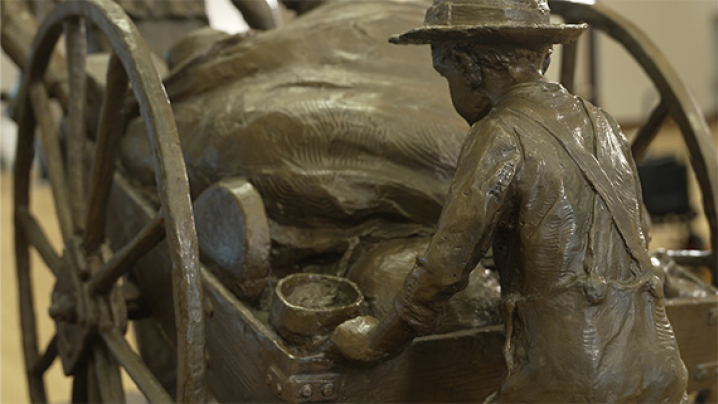
1856–60: ~3,000 Mormon travelers crossed Iowa by handcart; in 1926 Torleif S. Knaphus memorialized the journey west.
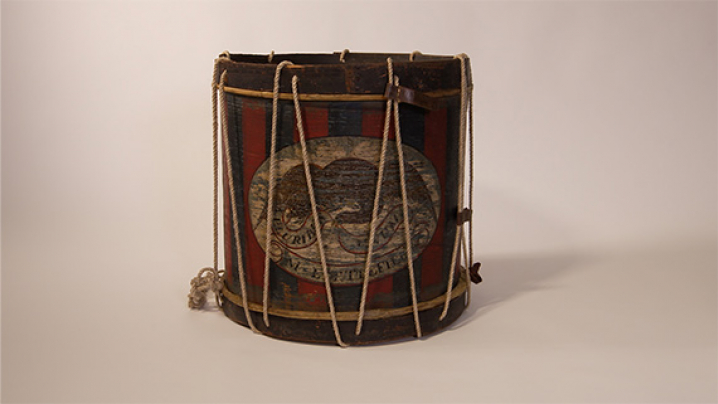
The Moses Littlefield drum was used during the War of 1812 and later to train Civil War soldiers in Iowa.
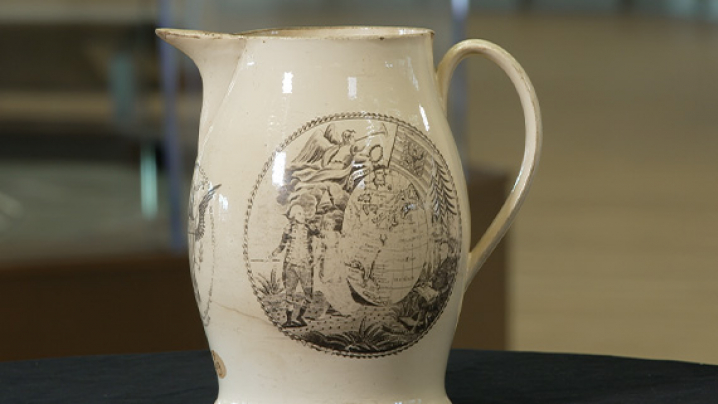
Made to remember the Revolutionary War, this 1804 Liverpool Pitcher arrived in America as ship ballast.
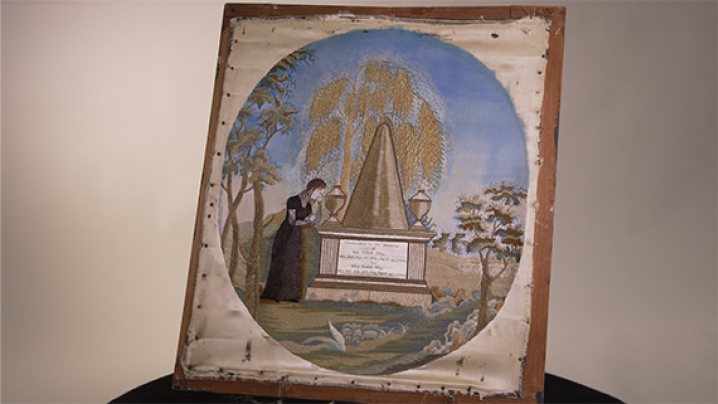
George Washington’s 1799 death stirred national grief, inspiring mourning embroidery to honor heroes and loved ones alike.
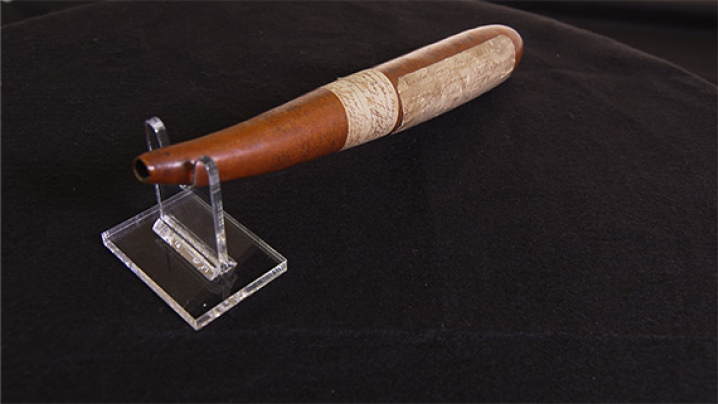
Crafted from horn, leather and gourds, powder horns carried the black powder that fueled America’s fight for independence.
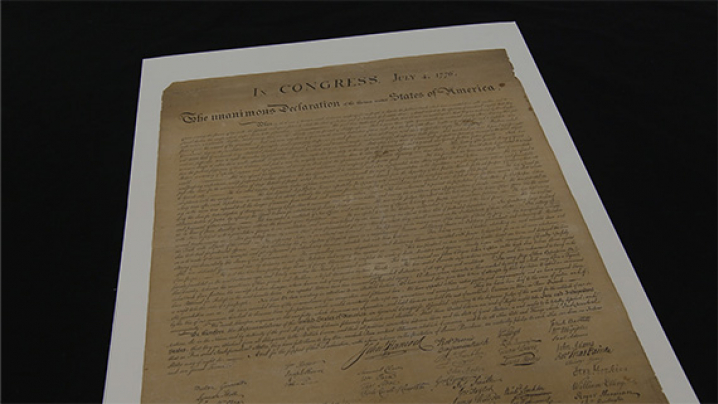
This 1843 copy of the Declaration of Independence has found its way to Iowa through a descendant of one of the signers.