Exploring Winter Phenomena: Outdoor Science for Young Learners


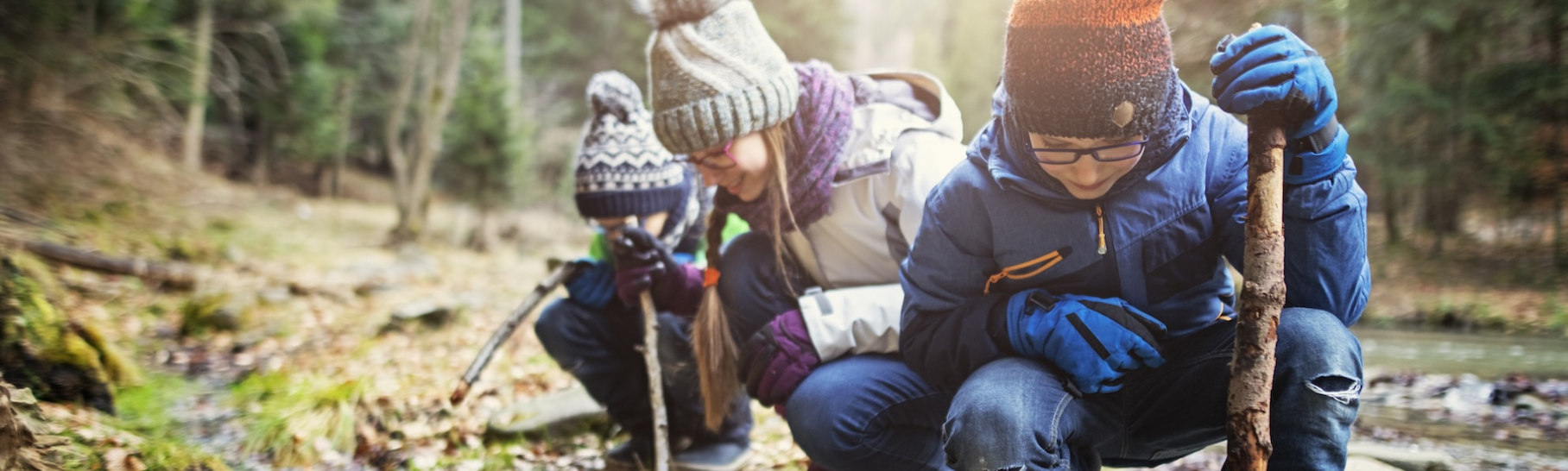
Whether it’s hearing the rustling of birds in trees, seeing animal tracks in the snow, smelling wood burning in a log fire, winter offers the opportunity to experience compelling outdoor phenomena. For younger learners, meaningful science learning does not have to freeze when the temperatures drop. Primed by their natural curiosity, younger learners can grow their science and engineering knowledge by investigating and asking questions about the world around them. Jared McGovern, director of Wanderwood Gardens in Dubuque, believes outdoor exploration is a critical part of science learning and child development. “Finding opportunities for children to explore outdoors as often as possible is necessary. If feasible, and accessible, ensuring that these outdoor experiences are in healthy habitats with high biodiversity will result in the greatest impact on a child’s development.”
Jared suggests the changing sights and sounds of winter offer unique opportunities for keeping even the youngest learners engaged in science learning. “Walk outside after dark in a forest of mature oaks and hickories in February and listen. No frogs, no insects calling. Maybe if you get lucky you will hear coyotes howling or a great horned owl calling. If you are even luckier yet, you might hear sporadic high-pitched squeaks coming from the tree canopy. What could be making these sounds in the dead of winter?”
While the practice of asking questions or identifying problems is a critical part of trying to figure something out, for some adults, encouraging questioning when the answers may not always be known might feel intimidating. Iowa Science Phenomena has you covered. Watch as Iowa educators demonstrate high-leverage phenomena-based questioning strategies in their own classrooms. Learn how using a notice and wonder strategy can be a great opportunity for younger learners to observe and question the world around them.
Even on those more extreme Iowa winter days, Jared suggests the learning can continue with extra preparation and consideration. “Say yes. If your child or student asks you to go outside and play or you see an opportunity to facilitate an outdoor experience … grab their gear, say yes, and then go with them … stay close to shelter so that when children reach their limit in the cold, you can quickly go inside to warm up. We want these experiences in nature to be positive experiences.”
After you’ve returned inside from a crisp, winter exploration, check out this selection of elementary grade focused Iowa phenomena to keep the learning and questioning going. Visit Iowa Science Phenomena to see more.
Iowa’s Plants and Animals in the Winter
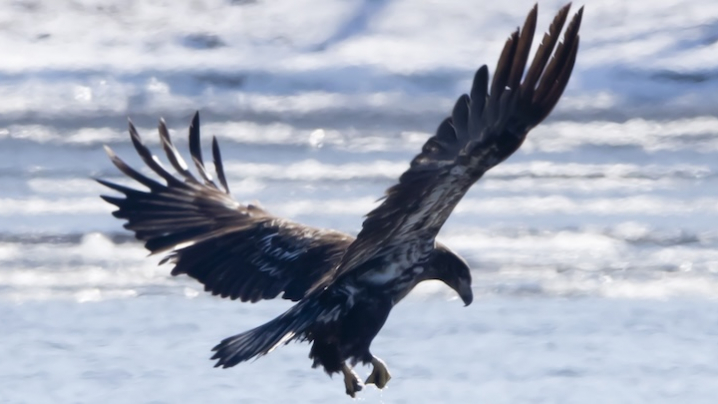
- Bird Migration (K-LS1-1) While exploring outside you may notice that in the winter there are some types of birds still around but others are not. Why do only some birds fly away from Iowa in the winter? (Contributed by Breanna Bonnema and Samantha Pollema.)
- Leafless Trees in Winter (4-LS1-1): Why do some trees lose their leaves in the winter while others do not? (Contributed by Paige Petzenhauser.)
- Grass in Winter (2-LS2-1): When the weather turns cold, the grass visibly changes and turns brown. Why does grass appear “dead” in the winter? (Contributed by Amanda DeVries and Joshua Schouten.)
- Thicker Fur in Winter (3-LS3-2) Some animals change their bodies and lifestyles with the seasons and other situations in order to survive. How do dogs adapt with the changing seasons? (Contributed by Nakia Nielsen and Jill Den Herder.)
Investigating Earth’s Seasonal Patterns
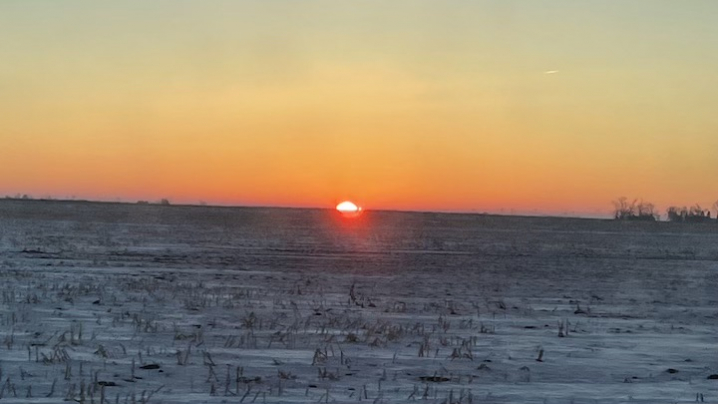
Changing Length of Daylight (1-ESS1-2): In Iowa as summer changes to fall and winter, the sun sets earlier at night and rises later in the mornings. Why do the days get "shorter" and "longer"? (Contributed by Paige Petzenhauser.)
Observe the Diversity of Habitats
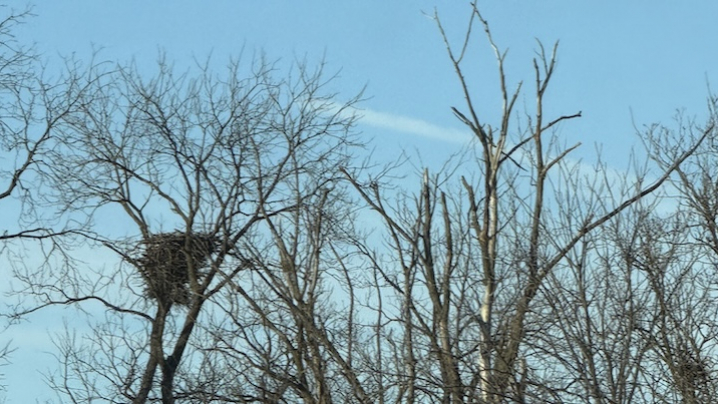
- Building Animal Nests (2-LS4-1): Animals such as birds and squirrels build nests in trees and bushes outdoors. How do animals choose how and where to build their nests? (Contributed by Paige Petzenhauser.)
- Snow Tracks (2-LS4-1): Multiple animal tracks are visible in the fresh, morning snow. What animals could have made these tracks? (Contributed by Tiffany Christensen.)
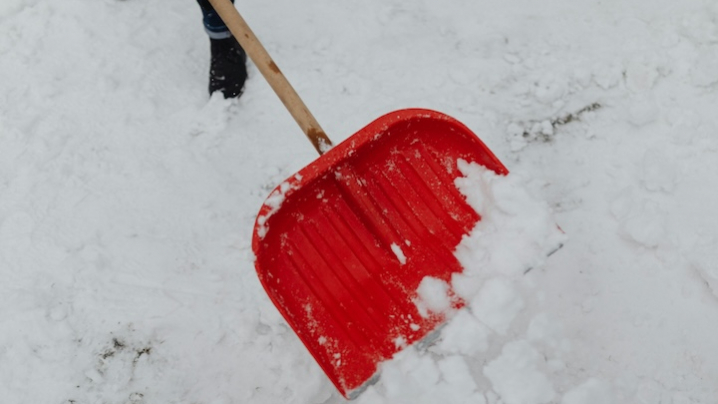
Prepare for Severe Winter Weather in Iowa
- Forecasting and Preparing for Weather (K-ESS3-2): Severe weather occurs frequently in and around the Midwest. What can you do to prepare for severe weather? (Contributed by Janet Riordan.)
- Winter Storm Preparation (K-ESS3-2): Iowans are not strangers to severe winter weather. How can we prepare for blizzards and snowstorms? (Contributed by Paige Petzenhauser.)