Bright Ideas: Exploring Light and Energy


It is summer in Iowa and science phenomena abound. Grab your sunglasses for some outdoor fun as we look at phenomena based on light and energy.
When you are enjoying the long hours of sunlight during the summer months, consider how visible sunlight is actually composed of many different colors. Watch for changing hues of color, irregular shapes, and changing shadows.
“The abundant colors of summer lend themselves well to a study of light,” Kathy McGrane, science teacher at West Des Moines Valley High School, says. “Your eyes can also play tricks on you due to the bending of light through different substances like air and water. Lean into the urge to ask questions about what you see and try to provide reasons based on scientific principles.”
Basking in the summer warmth is a great time to let your mind wander to how the things you observe can be explained with science. For example, did you know that different colors of light contain different amounts of energy? There are also forms of light that we cannot see, like ultraviolet light that can produce sunburns. Be sure to pack your sunscreen when you go out for summer adventures!
Many summer activities, like riding a roller coaster, involve the transformation of energy from one form to another. Kathy urges you to consider the different types of energy involved, like kinetic, potential, thermal, and elastic. Iowa utilizes those types of energy for water and electrical energy for our communities.
Power up your summer with this selection of energy-focused Iowa phenomena. Be sure to explore the full Iowa Science Phenomena collection.
Colors
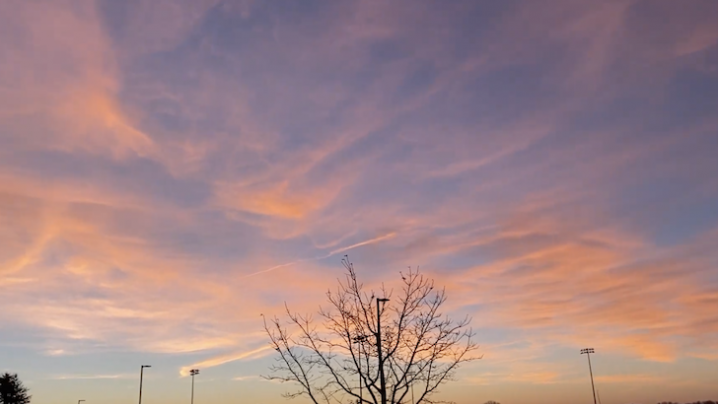
- Colors of Iowa Sunrises (6-PS4-2): What factors go into the colors you are able to see in a sunrise? (Contributed by Natalie Cohoon and Emma DeBoer)
- Causes Behind Visible Auroras In Iowa (HS-ESS1-1): How does the sun’s energy relate to visible auroras in Iowa? (Contributed by Ami Tursi)
- Rainbows & Sundogs (6-PS4-2): How do rainbows form? (Contributed by Sammie Hofmann).
Bending Light
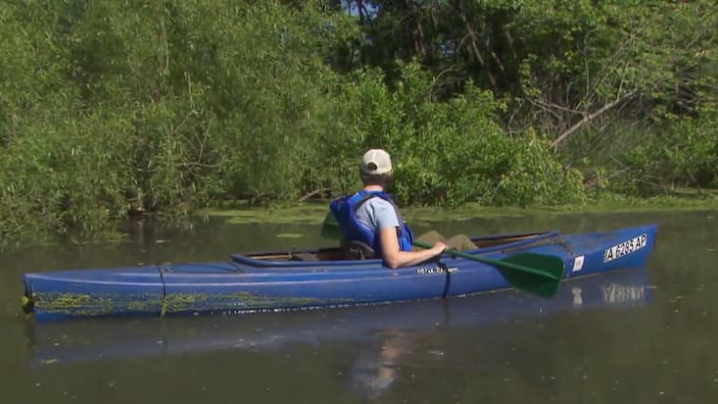
- Reflections in Water (6-PS4-2): How can water reflect light? (Contributed by Dan Voss and Madison Beeler)
- Refraction in Nature (6-PS4-3): Why does water distort the way objects look? (Contributed by Travis Angell)
- Science of Spearfishing (6-PS4-2): When spear fishing, why do you miss when aiming directly at the fish? And why does the angle make a difference? (Contributed by Nathan Van Zante)
Energy
- Roller Coaster Energy Flow (HS-PS3-1): How do physics and engineering principles determine the thrilling designs and safe operation of roller coasters? (Contributed by Kara Arrowood)
- Newton’s Laws at an All-Season Snow Hill (HS-PS2-1): What factors affect the motion of the tube down an all-season snow hill? (Contributed by Rose Davila-Gay)
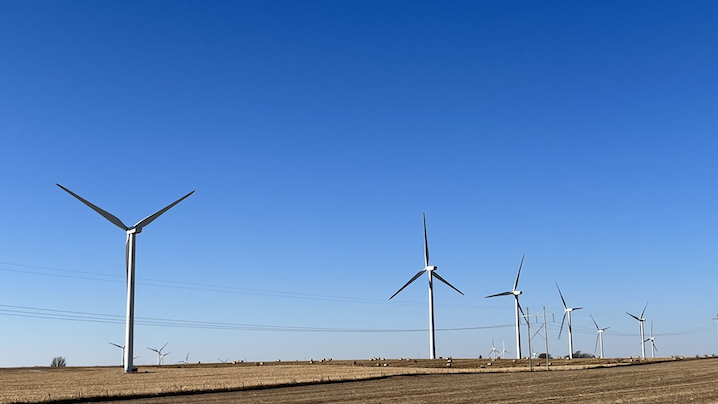
- Wind Turbines for Energy (4-ESS3-1): How do wind turbines generate energy? (Contributed by Valorie Grundmeier)