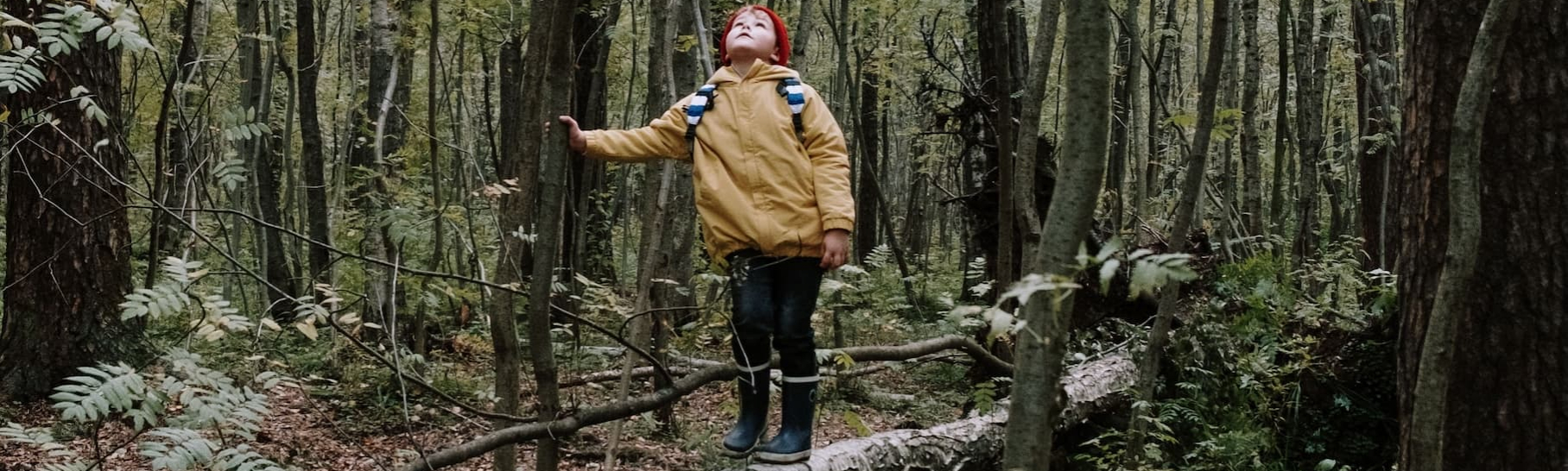
From Curiosity to Learning: The Basics of Phenomena-Based Instruction


The term “phenomena” is used frequently in science instruction and professional development, but what does it actually mean? The Iowa Science Standards describe a phenomenon as an “observable event that can serve to motivate and sustain student inquiry.” For those new to phenomena-based instruction, that definition may sound more complicated than it is. At its heart, a phenomenon is simply something we can observe that makes us curious—and gives us a reason to ask questions.
Phenomena-driven instruction uses student questions to guide learning. Rather than starting with a list of science facts to memorize, teachers invite students to observe something interesting, ask questions, investigate, and build the knowledge and skills needed to explain or predict what they see. The phenomenon, together with students’ questions, becomes the thread that connects teaching and learning.
Dr. Chris Like, Iowa Department of Education science consultant, says, “Centering investigations around phenomena allows for students to authentically examine the world around them instead of methodically moving through a science program focused on the acquisition of knowledge.”
The most powerful phenomena are often culturally or personally relevant to students. A local flooding event, an unusually warm winter, or a change in a nearby ecosystem can make science feel immediate and meaningful. Over time, engaging with local phenomena can help students see that science happens where they are.
That is where Iowa Science Phenomena comes in. This collection of media-based phenomena from across Iowa allows educators to introduce learners to those curious events from all across Iowa. Created for Iowa educators by Iowa educators, this growing collection is designed to align with Iowa Science Standards and the lessons being taught every day in classrooms. Dr. Like further explains, “The use of phenomena in a lesson draws on student's lived experiences in order to anchor new understanding. It also motivates students toward authentic learning that involves problem solving and the connection of science ideas to real-world phenomena.”
Still not sure where to start? Check out this collection of videos featuring Iowa teachers and students exploring and explaining the basics of phenomena, phenomena instructional strategies, and how to employ those strategies across all grade levels. And be sure to explore the full Iowa Science Phenomena collection
Elementary-Focused Phenomena
- Shifting Shadows Throughout the Day (1-ESS1-1): Why do shadows change throughout the day? (Contributed by Laney B. Berry.)
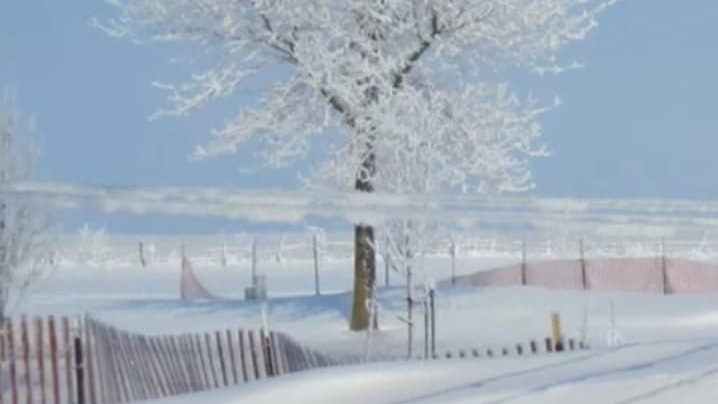
- Snow Fences to Improve Winter Road Safety (3-ESS3-1): How can we make roads safer during Iowa winters? (Contributed by Josie Libby)
Middle School-Focused Phenomena
- Bridge Expansion Joints (6-PS1-4): Is the bridge connected to the road? (Contributed by Nathan Van Zante)
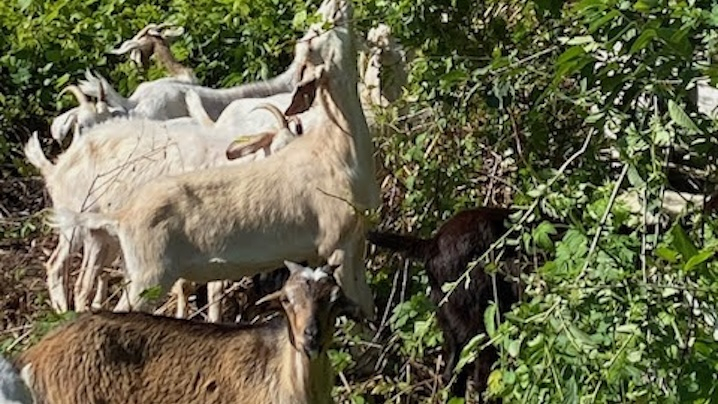
- Kiko Goats Control Invasive Plants (7-LS2-5): How do kiko goats support and promote a healthy ecosystem? (Contributed by John Hubbard)
High School-Focused Phenomena
- Birds on Either Sides of a Lock and Dam (HS-LS2-2): Why are there so many birds on one side of the dam and not the other? (Contributed by Laura McCreery)
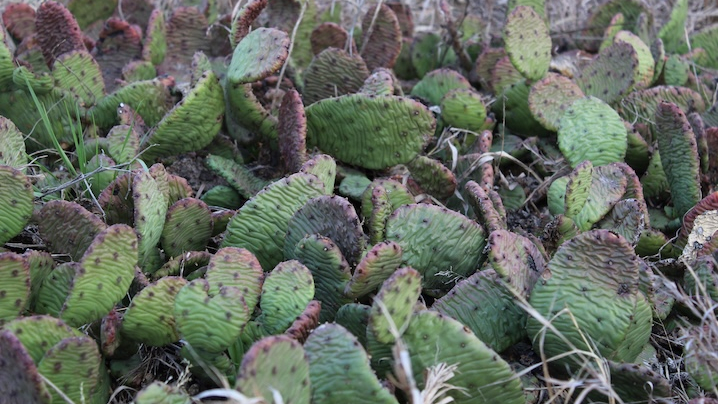
- Cactus in Iowa (HS-LS4-2): How did the prickly pear end up in the Iowa sand dunes? (Contributed by Michelle Seddon)
- Thermogenesis of Skunk Cabbage (HS-LS1-7): What are some costs and benefits to the Skunk Cabbage using energy/food stores to create a lot of heat? (Contributed by Craig Hemsath)