Episodes
EpisodeSeason1Episode107
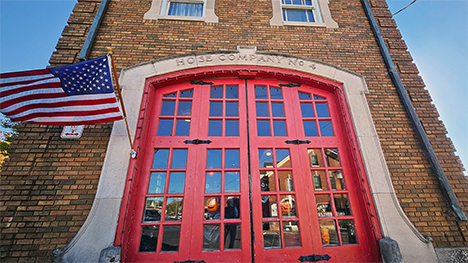
Explore the art and architecture of historic Davenport.
EpisodeSeason1Episode106
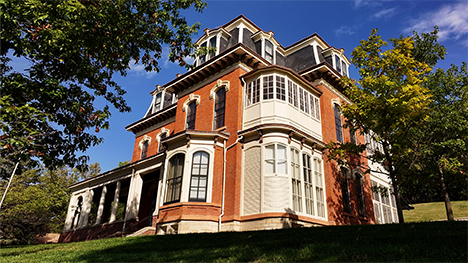
Explore the innovation and architecture of historic Council Bluffs.
EpisodeSeason1Episode105
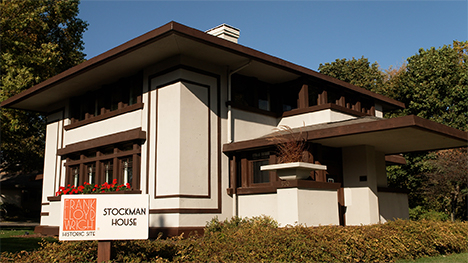
Explore the art and architecture of historic Mason City and Clear Lake.
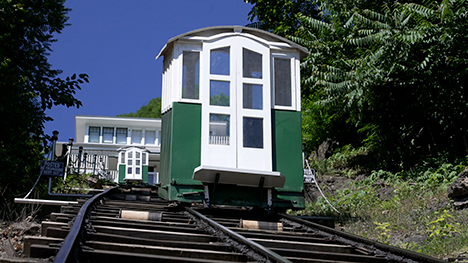
EpisodeSeason1Episode104
Explore Iowa's oldest city through the history of its settlement, industrial booms, faith and iconic downtown structures.
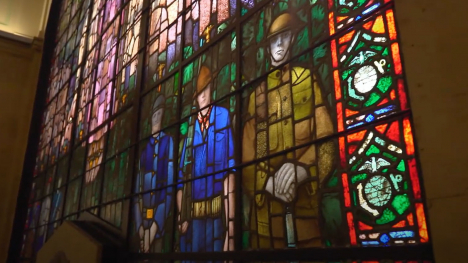
EpisodeSeasonEpisode103
Explore the architecture, culture and history of the Old Capitol, Hancher Auditorium, Englert Theatre and Kinnick Stadium through a combination of indoor filming, drone cinematography and in-depth interviews.
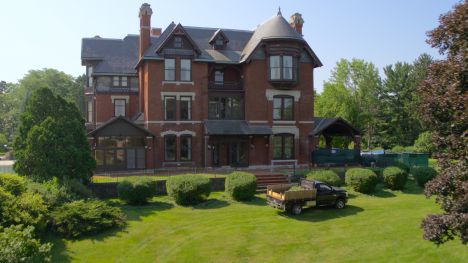
EpisodeSeason1Episode102
Experience the architecture, culture and history intertwined throughout the buildings in Iowa's City of Five Seasons.
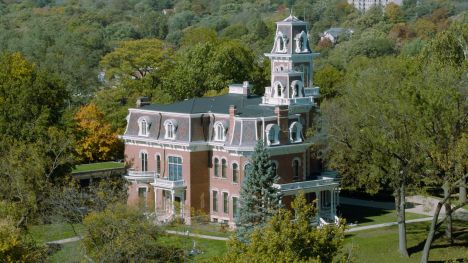
EpisodeSeason1Episode101
Explore the history of the State Capitol, Terrace Hill, World Food Prize, Hoyt Sherman Place and Salisbury House.
Clips
ClipSeason1Episode107
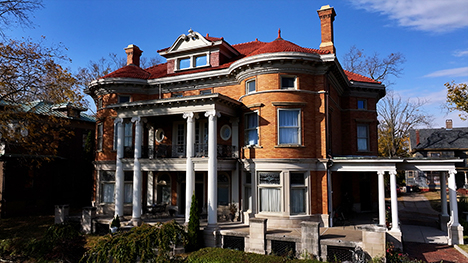
One of Davenport’s oldest and most historically significant neighborhoods, the Gold Coast — Hamburg Historic District is known for its stunning architecture and remarkable charm. This district offers a glimpse into Davenport's affluent past during the late 19th and early 20th centuries.
ClipSeason1Episode107
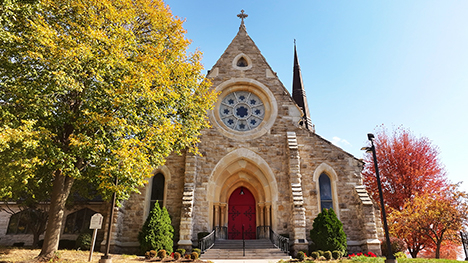
Built in 1873, the Trinity Episcopal Cathedral is known for its striking Gothic Revival architecture, beautiful stained glass windows, and significant role in the community.
ClipSeason1Episode107
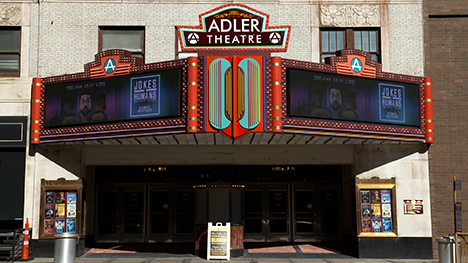
Originally opened as the RKO Orpheum Theatre in 1931, the Adler Theatre combines vintage ambiance with modern amenities to provide a versatile space for various events, while maintaining its original historic appeal.
ClipSeason1Episode107
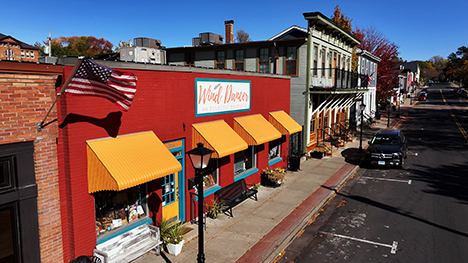
Established in 1851 along the Mississippi River, the Village of East Davenport has evolved from a logging community into a historic neighborhood celebrated for its unique shops, restaurants and cultural attractions.
ClipSeason1Episode107
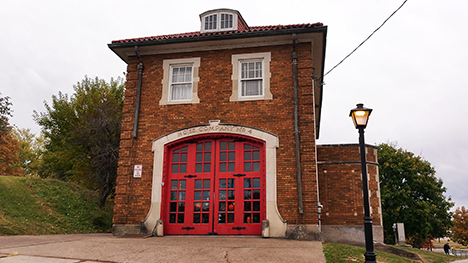
Built in 1931, Hose Station No. 4 was designed in the Italianate style and served as a fire station until 1964. This historic building now houses the International Fire Museum, which showcases firefighting artifacts and memorabilia from around the world.
ClipSeason1Episode107
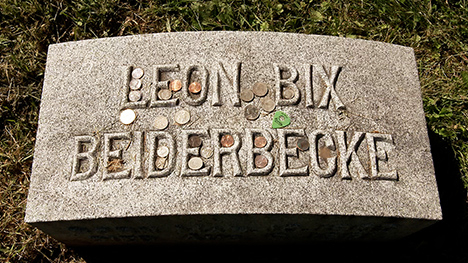
Davenport’s own Bix Beiderbecke left a lasting mark on the city, filling hotel lobbies, dance halls and social clubs with music. Historic buildings still echo his presence, standing as tributes to his talent and the legacy that shaped Davenport’s cultural identity, carrying its name far beyond the Mississippi River.
ClipSeason1Episode107
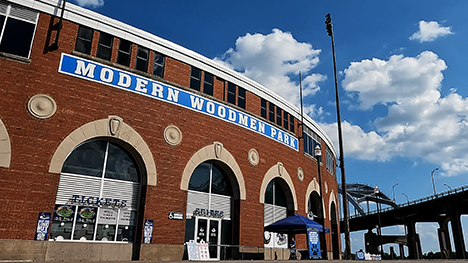
Originally opened in 1931 as Municipal Stadium, Modern Woodmen Park is a historic minor league baseball stadium that serves as the home field for the Quad Cities River Bandits. The park is situated along the Mississippi River, offering scenic views and a uniquely historic atmosphere for fans.
ClipSeason1Episode107
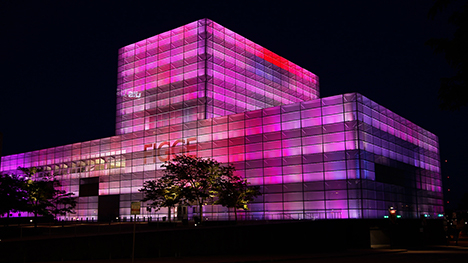
The Figge Art Museum is a premier art exhibition and education facility serving the Quad Cities region. he museum opened in 2005 and is renowned for its extensive collections and exhibitions.

ClipSeason1Episode106
Built in the Beaux-Arts style by Andrew Carnegie in 1905, the former public library now houses one of the largest railroad museums in the United States.
ClipSeason1Episode106
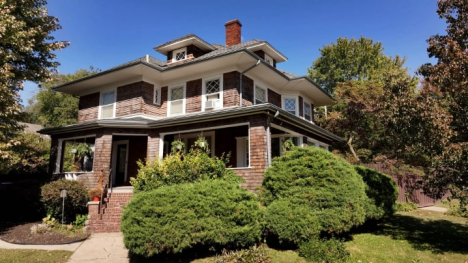
Dating back to 1846, this historic neighborhood is home to the Ruth Anne Dodge Memorial, the Lincoln Monument and the Kinsman Monument.
ClipSeason1Episode106
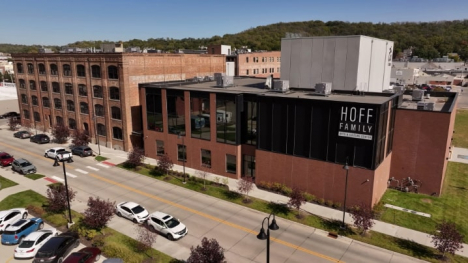
Originally built in 1894 by the McCormick Harvesting Machine Company, the Hoff Family Arts and Culture Center includes a theater, rehearsal space, gallery, artist studios, classrooms, teaching kitchen and much more.

ClipSeason1Episode106
The Bregant House was built in 1912 for Vaudeville performers Jean and Inez Bregant.
ClipSeason1Episode106
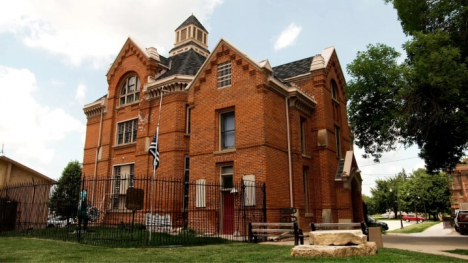
The Pottawatomie County Jail, better known as the Squirrel Cage Jail, was built in 1885 and housed maximum security prisoners until its closure in 1969. This innovative, three-story rotary jail was designed for reduced contact between guards and inmates. Today, the county's historical society runs it as a museum.
ClipSeason1Episode106
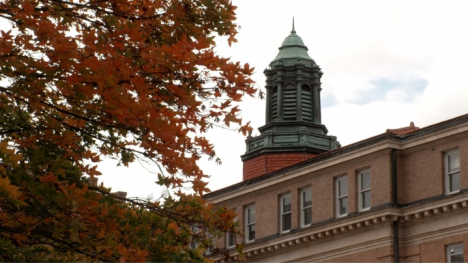
Established in Council Bluffs in 1870, the Iowa School for the Deaf was a self-sustaining entity with its own farm, power plant and hospital. Today the institution continues to serve deaf and hard of hearing students from all over the Midwest.
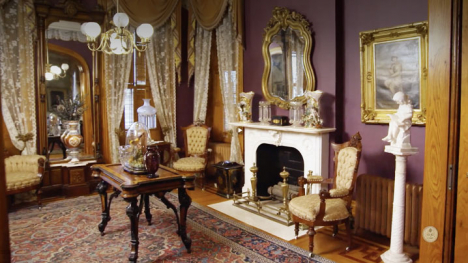
ClipSeason1Episode106
Built in 1869, this historic Victorian was home to General Grenville Dodge, a Civil War veteran who was instrumental in connecting the United States with the first transcontinental railroad.
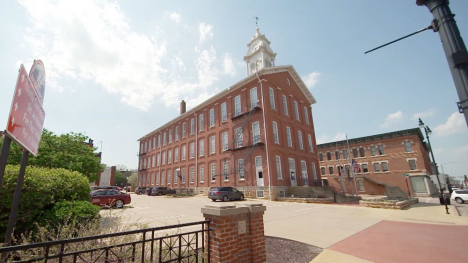
ClipSeason1Episode104
As Iowa's first city, Dubuque's city hall, jail and county courthouse have played an integral part in Dubuque residents' lives.
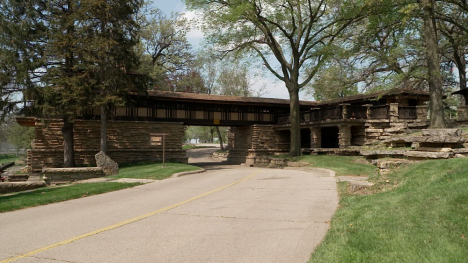
ClipSeason1Episode104
When the Great Depression devastated the entire country financially, it presented an opportunity for Dubuque to enhance its city park and develop "a city in a garden."
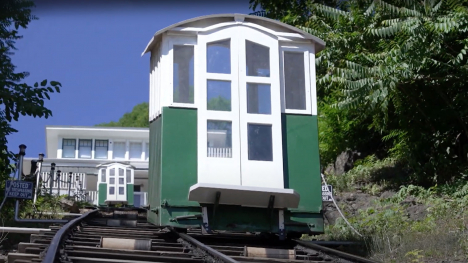
ClipSeason1Episode104
The Fenelon Place Elevator is the shortest and steepest funicular in the world.
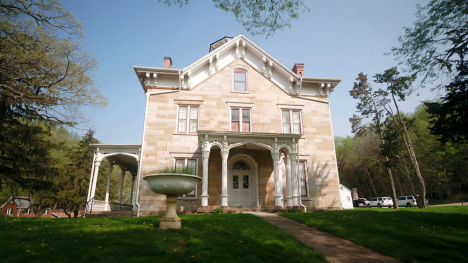
ClipSeason1Episode104
Mathias Ham became one of Dubuque's first residents and spent 20 years building a beautiful estate.
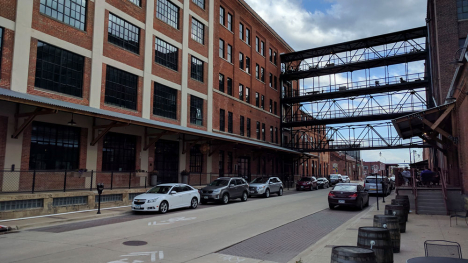
ClipSeason1Episode104
The Millwork District was the industrial hub of Dubuque and today is finding a new way to enrich the community while preserving its hardworking history.
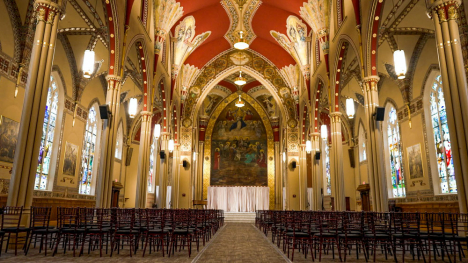
ClipSeason1Episode104
St. Luke's and Steeple Square tell the story of Dubuque's first non-native religion in this look at the city's oldest Catholic churches.
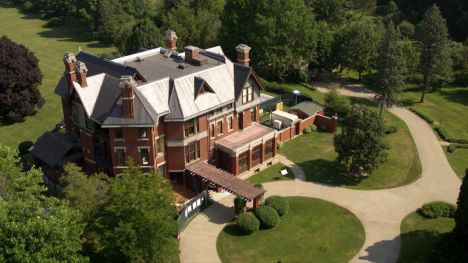
ClipSeason1Episode102
Brucemore Mansion traces a multi-generational story alongside Iowa history including railroads, meatpacking, as well as steel and iron.
ClipSeason1Episode102
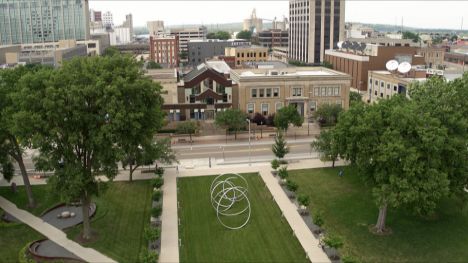
The Cedar Rapids Museum of Art houses the hometown work of iconic American artist, Grant Wood.
ClipSeason1Episode102
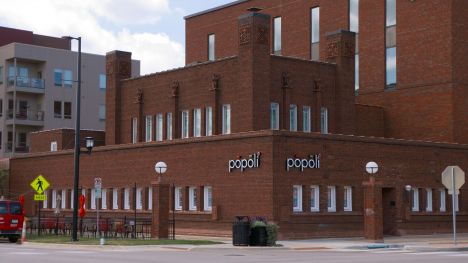
The historic Louis Sullivan bank building found along the Cedar River was built in the early 20th century.
ClipSeason1Episode102
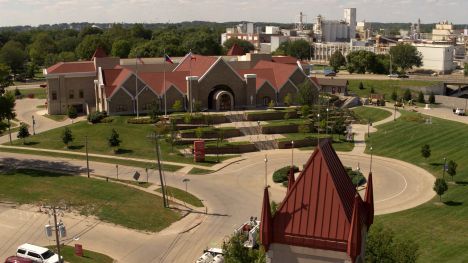
The National Czech and Slovak museum chronicles rich immigrant heritage.
ClipSeason1Episode102
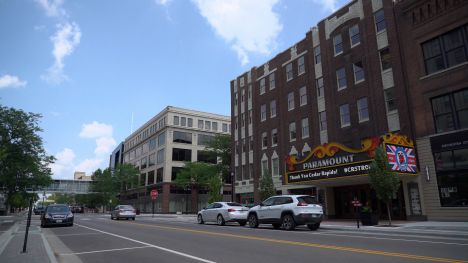
The legendary Paramount Theatre began as a 1920s showcase for traveling performers, then a grand movie theater.
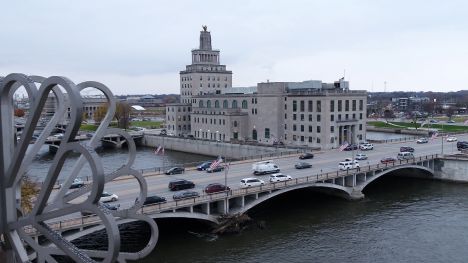
ClipSeason1Episode102
Resting on an island in the Cedar River, the Veteran's Memorial Building is a gathering place for generations of veterans and citizens.
Thank You Gifts
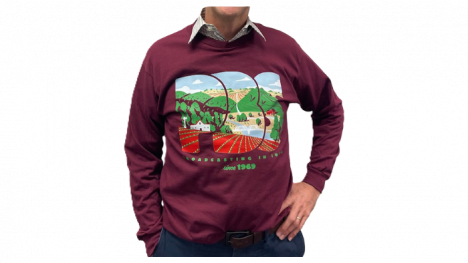
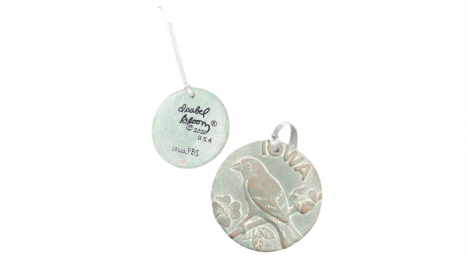
In appreciation of your support of local public media, you may choose one of the gifts below.










Sustainer –
$12.50
Annual –
$150.00








About the Show
Explore the architecture, history and culture of some of Iowa's most iconic buildings.