Explore
Video
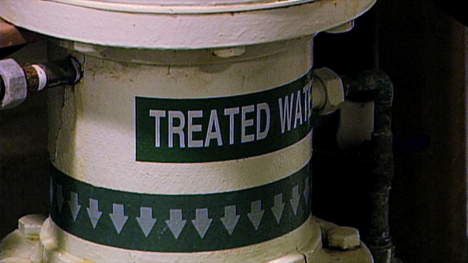
Remsen
Iowa communities and farmers are adopting conservation practices that lead to cleaner water by keeping agricultural run-off from entering water supplies.
Video
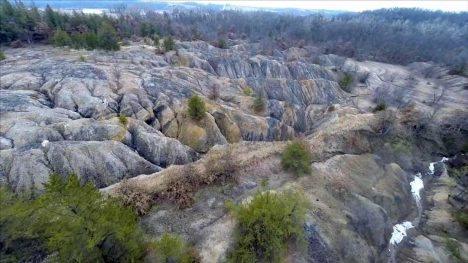
South Central
Coal was once a major industry of Iowa. The last mine was closed in 1971. Current efforts are being made to save the land once home to these mines in southern Iowa.
Video
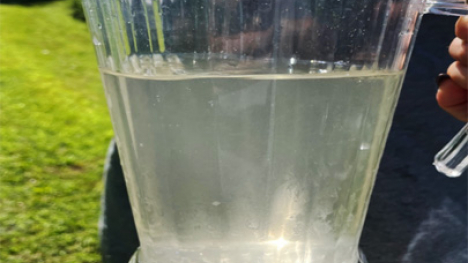
Maxwell
Chichaqua Bottoms Greenbelt has unique water quality characteristics compared to other places in Iowa.
Video
Jackson County
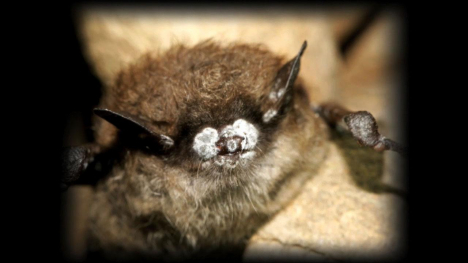
White-nose syndrome is a disease in bats that has the potential to alter the ecosystem of the caves.

Video
Pisgah
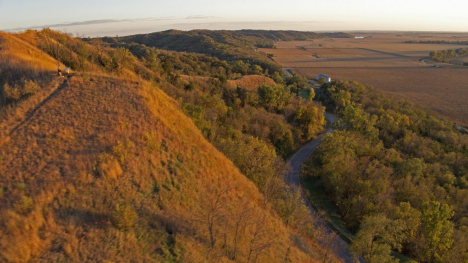
The Loess Hills formation took thousands of years to form, and is a very fragile and unique collection of dust and silt.
Video
Maxwell
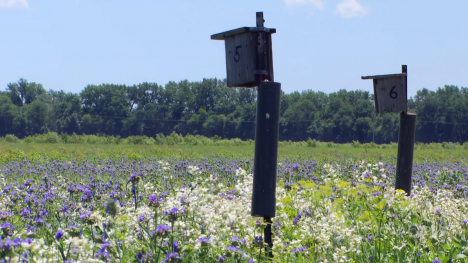
Several habitats support a wide variety of plant and animal life at Chichaqua Bottoms Greenbelt.

Video
Pisgah
Prescribed burnings are one land management strategy to encourage a healthy prairie ecosystem.
Video
Maxwell
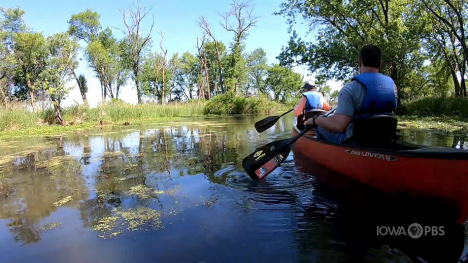
Ripples are visible from a variety of sources and hitting a variety of objects in the relatively still waters of Chichaqua.
Video
Granger
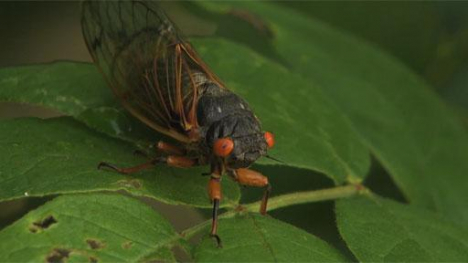
Brood III of the periodical cicadas emerged in Iowa in 2014 after 17 years underground.
Video
Clive
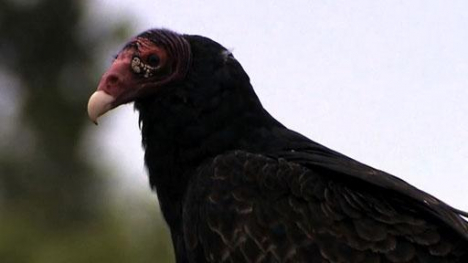
Bird populations, including the turkey vulture, can provide insight into the health of the ecosystems.
Video
Southeast
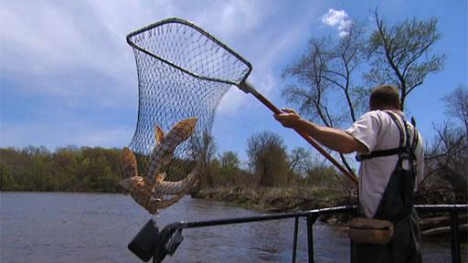
The physical characteristics of the shovelnose sturgeon, including its scoots, pectoral fins, and downward facing and suctioning mouth, make it suitable as a bottom-feeder in the swift current of Iowa's waters.
Video
Dubuque
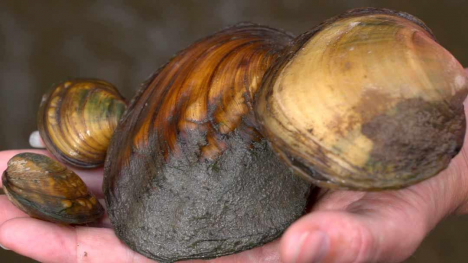
The mussel is a keystone species in the Mississippi River, providing critical benefits to the river ecosystem.
Video
Des Moines
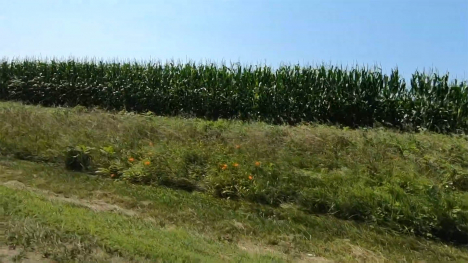
Agricultural fields require specific amounts of fertilizer to maintain yields, however forests maintain biomass without the use of additional fertilizers.
Image
Aplington
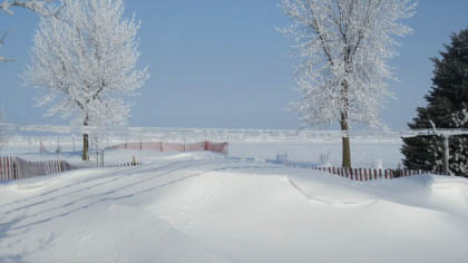
In Iowa, plastic snow fences are often strategically placed in yards and alongside roads to improve road quality in the winter.
Video
Aplington
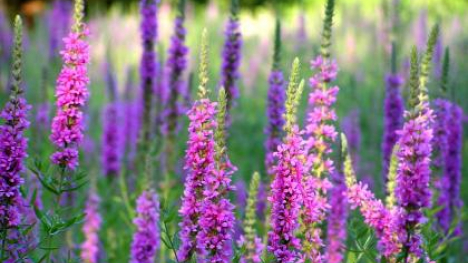
Purple loosestrife is an invasive species in Iowa that grows rapidly and impacts wetlands
Funding for Iowa Science Phenomena Provided By