Weather is part of the discussion in the wheat, corn and soybean markets while our Market Analysis with Karen Braun also covers the cattle on feed report.
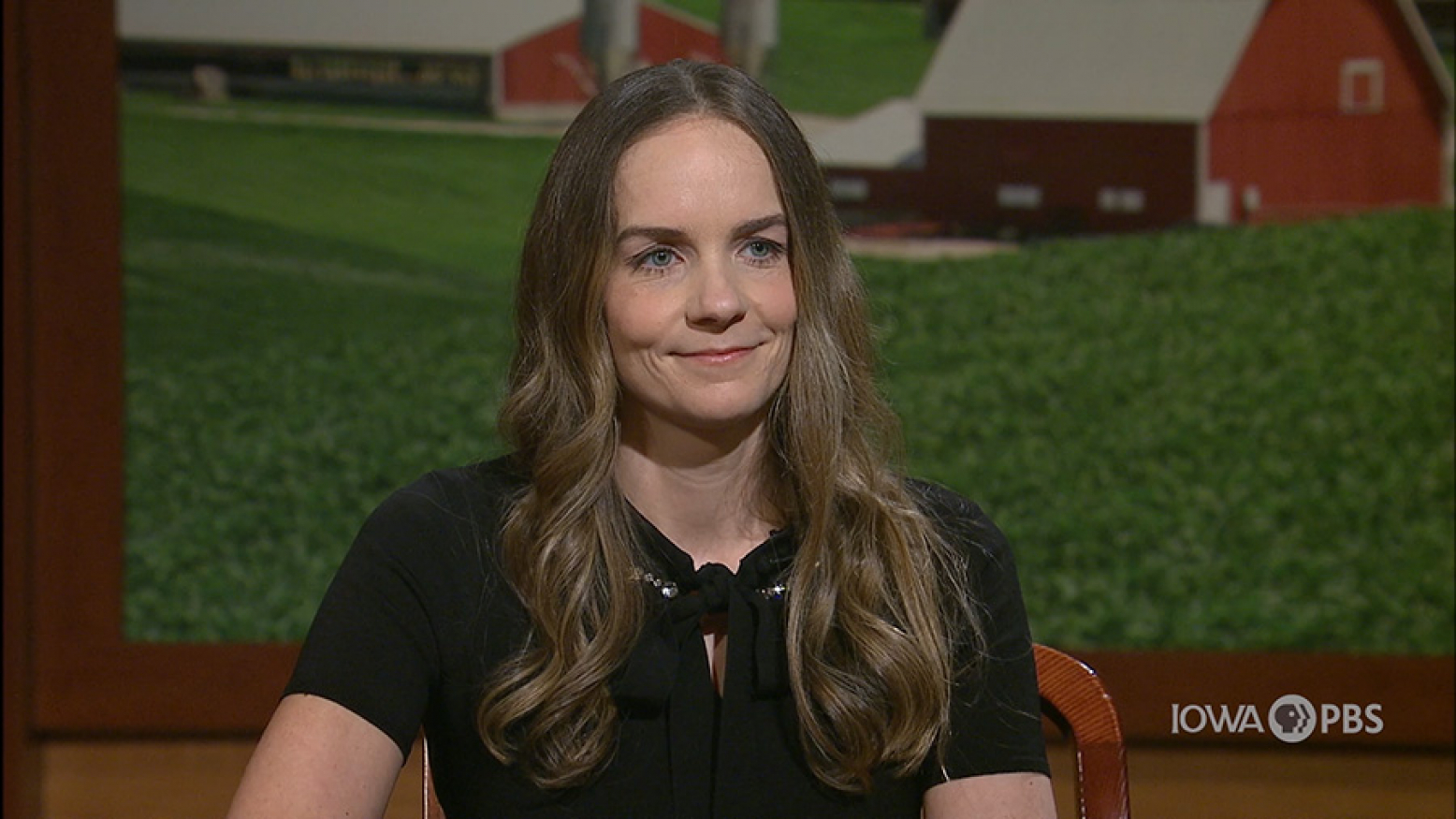


Wheat has a weather story to tell outside the U.S. while corn and soybean farmers deal with weather discrepancies. Our Market Analysis with Karen Braun also covers the cattle on feed report.
Transcript
[YEAGER] Weather and technical indicators provided some movement in the trade for the shortened trading week ending June 18th. The nearby wheat contract added $0.21 and the July corn contract gained a nickel. China returned to the buying side of the soy complex. The July soybean contract improved $0.09, while July meal was even July cotton expanded by $3.15 per hundredweight. July class three milk futures shed $0.34. The livestock market was mixed as August cattle increased five. 45. August feeders put on nine. 17 and the July lean hog contract lost two. 42. In the currency markets, the US dollar index added 112 ticks. July. Crude oil sold off 11% or nine. 27 per barrel Comex gold was up by $11.60 per ounce, and the Goldman Sachs Commodity Index was off by almost 20 points to settle at 64713. Here now to lend us her insight on these and other trends is market analyst Karen Braun. Hello, Karen.
[KAREN BRAUN] Hi, Paul.
[YEAGER] We could easily start with Iran in the United States with the overall commodity picture. There was a story recently that the thought is for the rise was the inflation from Iran a do you buy that scenario? And B, does that mean the only way to go is down now?
[BRAUN] Well, I mean, I think yes, I do buy that because we do have past times, you know, just 20, 22, four years ago, we saw the same kind of thing happen. But, you know, it's tough to know because obviously we have headlines that are different every single week. It does seem though, like this time there is an agreement. There is, you know, a memorandum of understanding. We're going to be signing this. We're going to be opening the Strait of Hormuz, and we're going to be hopefully calming down tensions with Iran. But then we just saw the president say this week that. But I could resume bombing if I'm not satisfied with the agreement. So there is always that uncertainty of, you know, do we really have peace? And is it what we expect?
[YEAGER] And I should say we are recording this Thursday afternoon and a lot can change between now and Sunday if you're watching the show. So I just want to throw that out there. So let's just say it holds. Yes, we've already seen Wednesday night into Thursday morning the amount of ships that are moving. Yes, it's going to take a while for some of that to hit the market and refill stockpiles and get things flowing. Let's take it from a commodities angle only. What's the biggest, quickest impact we'll see from normal returning?
[BRAUN] Oh man. Well, I think the timing you have to acknowledge the timing is because we're now in our weather market for the US. And we are mid June. And that's typically when you can see the corn market in particular peak. So if we do have good weather kind of heading into July. And right now, you know, there are some issues out there, but we don't really have that weather scare story setting up just quite yet. It is still early. It could happen. But, you know, given the time of year, I just think it could be tough.
[YEAGER] Well, let's let's maybe put a little weather scare into us for the wheat market specifically, but it's not in the United States. We've already talked about the dryness there. It's Europe that's now an issue. What's that doing to this market?
[BRAUN] You know, I think that I think that with Europe and then especially Australia, because we've seen the talk about them not being able to get fertilizer, the El Nino coming up, that's going to keep them really dry. And you know, them cutting acres. You know, last year in 2526, we had all of our wheat exporters really just firing on all cylinders, huge world wheat output. But now we've got Europe and Australia now on watch. And the US, of course, we know what's going on here. You know, you maybe start to turn the tide a little bit and you say hey wait, maybe we're not quite as comfortable as we thought. So there is still a ways to go on this, but I think that that's the biggest difference between today and maybe a year ago.
[YEAGER] That's the let’s talk new crop. If we could, or at least the deferred contract here when we're looking at September, Kansas City has had its own story this week. Chicago's had a story. But looking ahead, what's going on?
[BRAUN] Well, you know, with Kansas City, obviously the the biggest story was with the winter wheat crop and figuring out, you know, where's the bottom here. And I think right now, you know, USDA is projecting the lowest winter wheat yield in about 11 years, I think. So I mean, they've factored in quite a bit. It's a pretty significant loss. So I think, you know, you kind of stabilize that a little bit. And now, you know, with Chicago, you're really looking at what's going on, especially with energy prices, because, you know, it's a very global market. The cbot wheat. And so like what you mentioned in Europe, we're looking at that dryness. We're thinking about dryness in Australia, we're thinking about the impact on on grain movements, fertilizer movements. I think that that that's kind of what we're going to be looking at here in the next several weeks, especially as we start to get into the the spring wheat portion of the US.
[YEAGER] Which is a question we'll get to eventually. I want to flip to corn for a minute. I'm not going to pigeon you on anything. What's the biggest story right now in the old crop.?
[BRAUN] In the old crop, I think it's still just the demand. The demand is really good and it's coming in as expected, maybe even a little better than expected. And I think that's really that has kept us really in the game for over a year now, especially that strong export program. So I think that that's the main story for old crop is just maintaining that demand.
[YEAGER] Well, speaking of the demand, Mexico comes in, but that's 2627 delivery. So that's not an old crop story, right. Is the Mexico story enough to keep this market afloat for a few more weeks?
[BRAUN] Maybe. But I don't really know that you need the Mexico story, so to speak. I mean, we know that Mexico is a, is is very, very intertwined into the US corn market. And we know that they are a reliable trade partner. And so I don't think that there is anything there that we really need to worry about in terms of corn demand. But I do think that China is the elephant in the room. And I think that if we could see any demand from China, whether it's old crop or new crop, that would be the thing that could really change the story.
[YEAGER] We'll talk about that elephant a little bit, too. I want to talk about the new crop. You've had some windshield time here in the last couple of days. Yeah, I headed up to Minnesota and saw what I thought looked pretty good for a stretch then. Not a good stretch. You had an Illinois, Missouri, Iowa story. How's that new crop looking right now out in the field?
[BRAUN] I think it looks pretty good. I mean, when I was driving through Missouri and southeast Iowa, I think some things were planted a little later than maybe in past years because I know they had some issues with some cold weather, some wet weather. So stuff's a little bit behind where we might normally see it. But that really has not been too big of an issue. I mean, things looked really good. There weren't a lot of holes. You know, there wasn't a ton of standing water. I know now after the rains this week, some people really are very waterlogged. So so that that is an issue. But just from what I've seen and what I've been seeing from around the country, nothing really stands out right now as being really, really problematic.
[YEAGER] I'd like to welcome the elephant back in to discuss soybeans. There's there's been this some weeks we talk about China, other weeks we do, we don't, we do. We're talking about it now. Did China see a bottom and think that was an opportunity? Is that why the buying returned or was there something else.?
[BRAUN] When it's China, you can never say that's the thing. So you know, my guess and your guess, you know, just as just as helpful. But, you know, I think that given that the soybean agreement that we've made with China is based on tonnage and not on, you know, prices, I think that that is actually a more maybe sound conclusion than, say, if you were talking about corn or another commodity where it's just a, a value based commitment. So yeah, China wants to buy cheap beans if they can. And, you know, they're also looking for goodwill from Trump. And, and we've seen that over the past, you know, since fall. And so I think that that is that's something that if we continue to see these soybean purchases really come in, I think we're going to start believing more that China is, again, going to live up to the expectation.
[YEAGER] All right. The elephant goes, now put that crop scouting hat on that you'll have on very, very soon because Soybean trader 88 wants to know off of X here. When we're looking at some of that new crop, could you give your forecast for August weather and your U.S. Soybean yield estimate?
[BRAUN] Well, USDA right now has 53 bushels per acre for beans. That's what we had last year. I have no problem with that right now. We don't even have pods on the plants yet, so that's way too early. But in terms of August, we are as we know, we've come into El Nino conditions. And when we have El Nino going on in the summer, it's not really a big story for the US per se. But I have looked at some of those analog years and when you are in an El Nino by August, you do tend to get a little bit cooler and maybe a little bit more normal to above normal precipitation. July is a little bit mixed. So, you know, July is really big for the corn crop. So if you get a good July, that's wonderful. But El Nino doesn't say much about July, August maybe a little bit cool and potentially normal precipitation, which will be a really refreshing change from last year.
[YEAGER] Well, the last two years we've seemed to have shut things off in July and August. Exactly. And we've just kind of had to limp to the line. But we've also had ridiculously good crops, too.
[BRAUN] Exactly. But you can, like you saw last year, you had really, really low August rains, but your July rains were really, really strong. And look what happened. I mean, the corn just did phenomenally and even the beans. And so I think, you know, given that we're planting beans earlier too, we probably should start looking at July precipitation too for beans, right.
[YEAGER] Oh, that's oh, I hadn't even thought about it that way. All right. I need some number help here. Cattle on feed came out just before we recorded today. On Thursday on feed for May 1st, 102% placed 90% fed cattle market at 88%. Which numbers jumps out to you the most?
[BRAUN] I think both the on feed and the Marketings, because they were just a little bit lighter than the market expected. And I think that when you see that 88% marketing number, you know, maybe you might think that would be kind of a more bearish factor. But I think in this situation, I think both of those numbers are actually just really reflecting the tightness in the supply right now. And I think that when you look at the bigger picture, these numbers that we got, they are supporting the wider narrative. So, you know, nothing really changes here with the numbers that we got. I think that, yeah, we just don't have a lot of supplies out there.
[YEAGER] And the Screwworm is still impacting both the feed feeder market and the live cattle market, but pretty good gains in both of them this week. What drove the live cattle drive?
[BRAUN] Well, I think that you're looking at demand right now, especially because, you know, when you start to talk about peace in the Middle East, oil prices are coming down. That can often trigger, you know, sentiment on consumer demand. So, you know, we've seen super resilient beef demand. It's been going on for months, if not at least a year. And so I think that we have not really gotten to that point where the consumer has walked away from beef. I sure haven't I don't know if you have, but I have yet to. So I think that we're still it's still very much a demand story. And we're waiting for that tide to turn. Just no signs of that yet.
[YEAGER] But they're not walking to the hog market, though, and buying a lot of pork right now. So why can that market not seem to catch a break?
[BRAUN] Well, I think in the hogs you have a bit more of a stable production situation. You know, not quite this story. And and the threats you mentioned screwworm in the cattle. You don't really have that that story in the hogs. But I think what's interesting about the hogs is that the funds are actually short hogs right now. There's been a big sell off the last several weeks. You know, we've we've gone way down and the funds actually don't typically stay short. Hogs. They're very rarely living on the short side. So if that maybe says anything about where we're at, I don't know. Will it be short lived or not?
[YEAGER] It takes just a few things to move and all of a sudden the floodgates open because people like a Partey, they like to be included in it. Oh yeah, that's the way it goes. Yeah. All right. Thanks for including us in your schedule. Good to see you as well as always, Karen.
[BRAUN] Thank you.
[YEAGER] All right. That's Karen Braun and you've been watching the analysis portion of this program. In a moment, the two of us are going to continue our discussion in an online only segment. You can find that by searching Market Plus with Karen Braun wherever you get your podcasts. You can also go to our website at markettomarket.org to listen. Now, our YouTube channel is full of all video things of this program. That's episodes, the Market Plus, the stories, as well as the MtoM podcast. Subscribe today to be the first to know when new content arrives at youtube.com/markettomarket. Next week, a growing effort to protect farmland from development. Thank you so much for watching. Have a great week.
Trading in futures and options involves substantial risk. No warranty is given or implied by Iowa PBS or the analysts who appear on Market to Market. Past performance is not necessarily indicative of future results.