Each commodity took a turn as a market leader, according to Dan Hueber in our Market Analysis segment
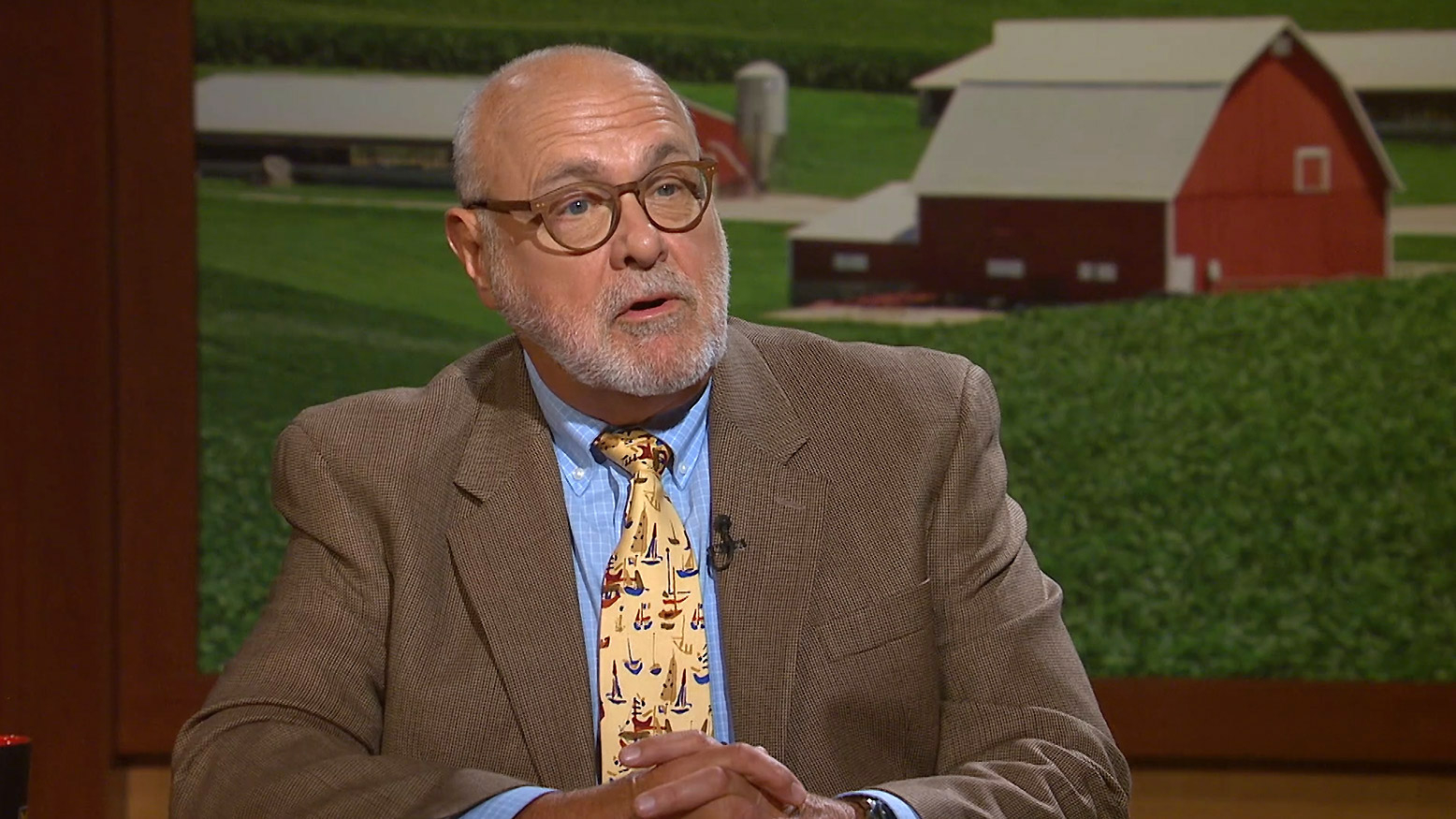
Weather Leads Market Movement – Market Analysis with Dan Hueber
Share


Wheat’s one-day spike followed a Ukrainian strike on Russian port infrastructure. Corn is still looking for a new demand story with a large crop in the field, while China’s soybean purchases appear seasonal. Dan Hueber has our Market Analysis.
Transcript
[Announcer] Next, the Market to Market report.
[Yeager] Wet weather. Ukrainian attacks on Russian infrastructure and Chinese buying all served as market movers for the trading week ending July 31st. The nearby wheat contract lost $0.39 and the September corn contract fell $0.24. Even with China making room for grain, the bears were in control of the soy complex. The November soybean contract dropped by $0.66, and the September meal decreased $15.90 per ton. December cotton added $1.81 per hundredweight. August Class three milk futures fell $0.32. The livestock complex was mixed. October cattle put on four. 75. September feeders rose two. 33 in the October Lean hog contract sold off for 18. In the currency markets, the U.S. Dollar index cut 152 ticks. September. Crude oil sold off for $0.10 per barrel. Comex gold lost 1620 per ounce, and the Goldman Sachs Commodity Index fell more than 25 points to settle at 600 8785. Here now to lend us his insight on these and other trends is regular market analyst Dan Hueber. Hello, sir.
[Dan Hueber] Hello. How are you?
[Yeager] This wheat market was going to be pretty easy to talk about is what the major market mover was. It was Russia. Ukraine until it wasn't. Correct. Is it a perspective change or did something systematically change between those two in the war?
[Hueber] Well, I don't know if anything could change permanently by any stretch of the imagination. Granted, the rally, which really was a one day kind of a one day event, was when it was, you know, news that the Ukraine drone strikes had hit one of the major ports in Russia. And I remember the exact tonnage that ran through that port. But, you know, those are the kind of catalysts that usually can give you a at least a multi-day rally. But it barely made a day. You know, so I think that it kind of shows underlying in these markets. They were overbought, just really needed some more news than that to sustain the move. You know, we've really thrown a fair amount of good news or I should say positive news at the wheat market recently. We just cannot seem to sustain those rallies, which would just say, well, we're tired. You know, we've got these things factored in there. And unless something new develops, that's going to extend more than a a one bombing event, you know, it's going to be pretty difficult to hold things, hold things together.
[Yeager] So and moving forward, we are still stuck with a low poor crop in some parts of the United States. Certainly a couple of other regions of the country, of the world having that same issue. Those fundamentals haven't changed. So are we just kind of going to bob and weave here for just a little bit?
[Hueber] I think so. You know, interestingly enough, when you look at wheat and corn, let's go back to the old voice of the tomb or prophecy, however you want to put it. It said you by July wheat, July 1st, you by December corn. December 20th. Well, you know, or probably June 20th. Well, those would have been pretty effective up until this week, you know. So we were looking at really what we're we're mostly seasonal type of trades, but I think we just kind of ran out of the fuel to keep the keep the bull excited about it. And, you know, not that there aren't some problems, particularly in the western side of the Corn Belt, but boy, when you drive across Illinois and Indiana, you'd be hard pressed to want to be bullish on anything at this point in time. So.
[Yeager] Well, let's talk old crop corn. We'll get to that bullish side of of the crop situation with with new crop corn. This old crop a is there any left. B do these moves have any more life up.
[Hueber] You know, up until today I was thinking we probably had enough stimulus out there to maybe maybe take one more move back up and maybe challenge some of the highs we saw back in the spring. At this point in time, I it's pretty questionable. You know, I wouldn't give it even maybe a 5050 odd, maybe a 6040 chance or a 4060 chance. I should say that we could rebound one more time here. But, you know, not that we're going to come apart. You know, we don't really have a what you would call a burdensome situation in the corn supply situation. But these are supply markets. And I think that's one thing you always have to keep in perspective. We're on the supply side of the cycle, which means, you know, rallies are going to be relatively short lived. You know, it's just going to be hard to sustain them if you don't have a new driving demand force that's going to carry you to, to different levels. And I don't see where that's out there at this point in time.
[Hueber] Monday, USDA cut four points from the crop condition. Tuesday. Wednesday, the rain forecast started to reemerge, and that weather rally was gone.
[Yeager] Kind of fizzled out. Correct?
[Hueber]Correct.
[Yeager] Is that where we're at right now? Is living day to day on a weather forecast?
[Hueber] Well, you know, difficult at this late in the year to really even say you're going to get a weather situation in the corn market. You know, I think a lot of people assume once you move, move past July, we've kind of played that card for corn, not that you couldn't see that in soybeans and soybeans. Got excited again. Sure you could. You could curtail some corn along with it. But I think as far as weather related rallies, you know, barring an early frost, you know, granted, now we're talking another 30 or 60 days out. It's going to be difficult to make that happen with weather.
[Yeager] You mentioned a couple of bounces higher. We retraced a little bit of some of our gains towards the end of the week in December. Corn. Great. But is that are those technical singles signals done? I mean, in us moving back forward higher I should say not forward.
[Hueber] But not done yet. You know. And again, most of the retracements at this point are 50, 60% of the the June-July rally we witness here. That's not enough to say, boy, the we've had it, you know, we just can't come back. So yes, we still could come back. But like I say, if it's not a new element, if it's not a new driving force that we're not expecting at this point in time, there are probably going to be just retracements within the range that we've already been. So it's again, we're probably not looking at a market that's going to fall apart. It's going to crumble down to where we were, you know, let's say 30 days ago or 45 days ago. But here again, to sustain rallies for anything more than a technical bounces, it's going to be a real challenge.
[Yeager] I was just looking for some positivity on the technical side, seeing if we didn't have it on the fundamental side, Let’s Talk fundamentals with whether if we could Joel in Minnesota and Dan, you can answer this one with corn or beans, whichever you prefer. Rain did fall in some areas needing it. Is that why the market responded lower?
[Hueber] You know, I think a combination of that and we can't forget this was also a month end. You know, we've we've had a pretty substantial rally corn, soybeans, wheat, all three during the early part of July here. And I think there was some profit taking that was just happening. You know, the large money, the managed money definitely has swung over to the long side of most of the markets. I think Chicago was the only exception. And, you know, they were probably at the point we've we've shown a nice return over the last 30 days. Let's take some of that off the table.
[Yeager] Well, the trade flows you wrote about earlier this week, and I think the soybean side of that discussion was fueled a little bit by China putting up grain for bid signaling. Maybe they were going to come buy in U.S. Beans. Are they buying old crop or new crop.?
[Hueber] Primarily, primarily new crop, but they have bought some old crop. Don't take me wrong. But I mean, when you look at where they're buying beans right now, they're buying into that slot, which they usually do when Brazil, South America is out of beans, they need to cover themselves until January, February period, where Brazil product is going to be available again. So you know this I wouldn't look at this as anything more than a normal seasonal pattern for them buying, locking ahead for the days ahead.
[Yeager] Okay. So if that's not a bear signal, what is for beans?
[Hueber] Well, again, you know, we're looking at comfortable supplies of soybeans. You know, we're not looking at an unusual amount of of demand coming in. So, you know, here again, it was a, it was a great run. You know, you did you pushed beans up to levels we hadn't seen in about two years. You know, retraced some great made some great technical retracements in there. But like I say, I think you just you just ran out of gas, you know, there was just not enough to, to keep that bull engine moving.
[Yeager] And it looked like many people took advantage of a little bit of that.
[Hueber] Oh, certainly sold into it. Yes. Yes, exactly.
[Yeager] And then did the funds change positions to here?
[Hueber] I haven't seen the numbers for this week yet, but you know, undoubtedly the manage money crowd liquidated. Not that they're short in the market at this point, but I'm sure they did some pretty good liquidation here into the month end.
[Yeager] Cattle market had a little bit of a stall in mid July. This week. Changed the tune. Why what was leading that band.
[Hueber] You know I and again, I wouldn't say you know, I guess we hate to rely everything on technicals, but I think we had so deeply oversold that market that it was ready for a rebound. And you know it's nice to see the October's bounce the way they did. I would like to think they could get back into that two or 30 to 233 range something in that neck of the woods. But here again there's there's enough shift between again opening the border now with more more cattle from Mexico. We know we've been trying to bring in more Brazilian beef. You know, I think the number one agenda of the government is to, you know, get food prices moderate, moderating, not that you can force them down, but try to get them moderating between now and Election Day. So that's going to be a tough one.
[Yeager] But we knew both of those stories were hanging out there. Right. That's not a surprise. Yeah. Okay. Let's talk feeders if we could, because on that retention side always seems to be the hot topic for the last two, three years. Any signals yet of holding back?
[Hueber] Not really. Not really. You know, again, I mean, I think that that market is going to, of course, ebb and flow partially with what's going on in the grain. So I think, you know, moving the, when we did see the rally of the grains, you had people possibly hesitating a little bit. But, you know, as we continue to push further and further into this cycle, I think it's the I mean, the risk for the, for those people purchasing feeders just continues to elevate and elevate. I think, I think a lot of them recognize that, you know, we're probably operating on borrowed time here. So it's, you know, let's, let's not stick our necks too far out.
[Yeager] Hogs had a little, little problem.
[Hueber] Well, they had, they started, started.
[Yeager] This rally, right? Why did they finish?
[Hueber] Not right. Right. You know, and really, you know, the move we saw, I mean, had all the ear markings that we have a seasonal low in there, that we, you know, we're ready to turn the corner, you know, I shouldn't even say seasonal low. We just had a reaction low in there, you know, again, here, here, here's where you are fighting the seasonals. We tend to see hog prices continue to drift lower into the fall at this point in time. So, you know, it's been a little bit of a backwards year already. So, you know, maybe we'll see if they can recover come Monday. But that damage today looked a little bit more serious.
[Yeager] So but are you, is it panic mode yet?
[Hueber] Well, if you haven't panicked already, it's probably not time to do it now. So I mean, it's again, like I say, I think we push those October's far down farther than I expected him to. But you know, this first rebound looked pretty solid. Again, if we can stabilize here at the first of the week again, maybe transitioning into a new month will bring a little better attitudes there. But we can't afford to lose much more ground than we have already.
[Yeager] I forgot one cotton. We rallied $1.81 this week. What is driving this? The return of cotton.
[Hueber] Well, you know, of course cotton had like the rest of the markets, had a little bounce and then retraced back, but it didn't get damaged as the other row crops. So here again, I think there's when you look at the ratings in the cotton crop, it's probably the the worst looking crop we have out there in the country. So it's here again, the, the move today, I think, told us that, you know, we've got a bottom in there and not that you're going to go wild on the upside, but at least we can start recovering some of the ground we lost here over the last couple of months.
[Yeager] Well we haven't lost any time with you but we are out of it.
[Hueber] Oh there.
[Yeager] We go. Good to see you Dan.
[Hueber] Thank you, thank you.
[Yeager] Dan Hueber everyone on our Market Analysis segment because that's what you've been watching here on our program. In a moment, Dan and I are going to continue our discussion in an online only segment. Find it by searching Market Plus with Dan Hueber wherever you get your podcasts, you can also go to our website at Markettomarket.org to listen. We go over a lot of information during the market analysis and plus, and if you want to go look at everything again, subscribe to our YouTube channel. Be sure to click notifications so you'll know when we've posted the show, our stories and podcasts next week. We look at a grocery store that's keeping a community from turning into a food desert. Thank you so much for watching. Have a great week.
[Announcer] Market to market is a production of Iowa PBS, which is solely responsible for its content.
[Announcer] Market to Market is made possible in part by a grant from the Corporation for Public Broadcasting.
[Announcer] Support for Market to Market has been provided by a bequest from Phillip Leitz of Alta, Iowa in recognition of public television's commitment to agricultural programming.
[MUSIC]
[Announcer] (Pioneer) I wouldn't be here without my customers.
[Announcer] Yeah, I'd like to thank the customers. They're. They're very dear to our hearts.
[Announcer] It's about the people that you're working with and the relationships that you have.
[Announcer] Thank you, thank you, thank you.
[Announcer] Thank you from the bottom of my heart.
MUSIC]
[Announcer] Tomorrow, for over 100 years, we've worked to help our customers be ready for tomorrow. Trust in tomorrow. Information is available from a Grinnell Mutual agent today.
Trading in futures and options involves substantial risk. No warranty is given or implied by Iowa PBS or the analysts who appear on Market to Market. Past performance is not necessarily indicative of future results.
Watch More
The weather’s influence on the market may be closing soon, according to Dan Hueber in Market Plus.
Mexico cattle imports, lettuce sourcing, Nebraska wildfire and grain markets with Dan Hueber.
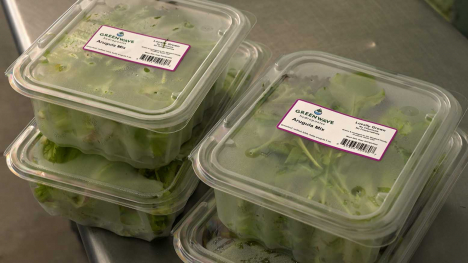
With almost 2,000 cases of Cyclospora attributed to contaminated iceberg lettuce, grocers and consumers are seeking out new sources for salad greens.
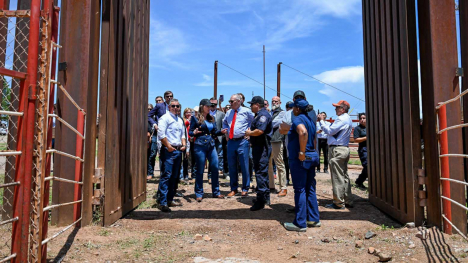
USDA outlines inspections and Arizona investments as cattle imports from Mexico prepare to resume.
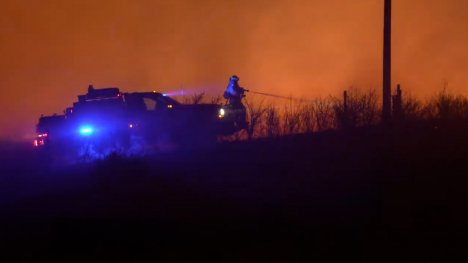
The Morrill Fire burned 643,000 acres as ranchers raced to protect family and livestock.
A regenerative agriculture startup says its soil probiotic can cut fertilizer use by 40%. Bryan Hansel of Holganix explains the science behind bottling nature back into the ground.