Market Analysis with Chris Robinson
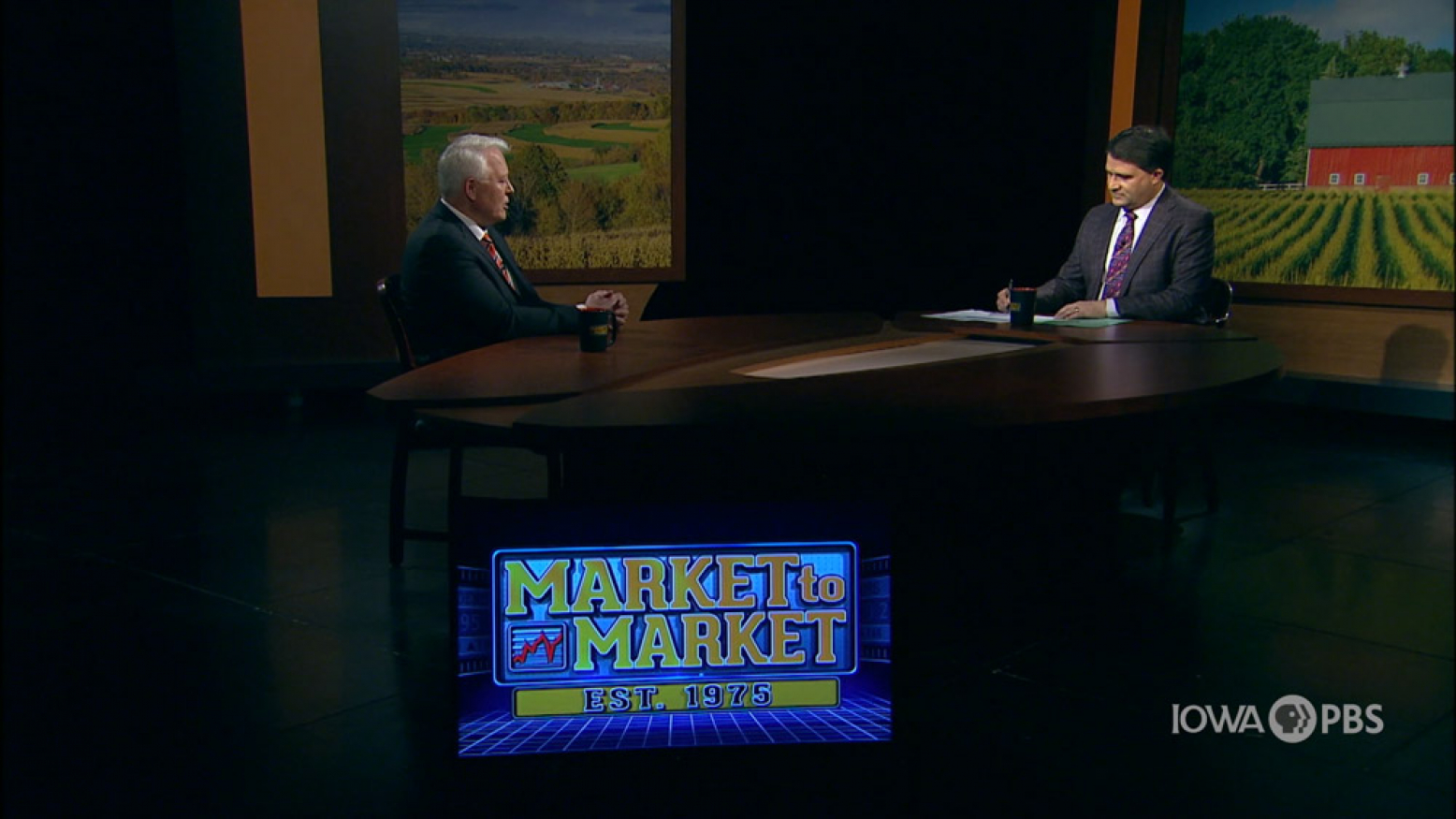


Chris Robinson discusses the economic and commodity markets.
Transcript
[Yeager] USDA Tuesday report revealed a shift in acreage intentions as more corn acres are expected to be planted as farmers move away from soybeans and wheat for the week ending April 2nd. The nearby wheat contract lost $0.07 and the May corn contract fell a dime. The 800,000-acre change jolted the soy complex. The May soybean contract added $0.04, while May meal weakened by $0.10 per ton. May cotton was up $1.46 per hundredweight. May class three milk futures gained $0.59. The livestock market was mixed. June cattle improved 7.5 5th May. Feeders put on 1079 and the June lean hog contract sold off $1.65 in the currency markets, US Dollar Index shed 18 ticks. May crude oil added nearly 13%, or $12.63 per barrel. Comex gold strengthened $157.50 per ounce, and the Goldman Sachs Commodity Index was up by more than five points to settle at seven 3866. Here now, to lend us his insight on these other trends. As regular market analyst, Chris Robinson. Hello, sir.
[Chris Robinson] Paul, good to be here.
[Yeager] Let's talk about that report from Tuesday. We'll get to stocks in a minute. Let's talk about those acres really had an impact on wheat because of less to the point, we're looking at the lowest acreage on overall since 1919. Spring wheat lowest in 56 years. It was significant enough for a jolt the first day, but why not a continued run?
[Robinson] I think that a lot of these things were already baked in. We'd already had a pretty good rally to one-year highs in the that market and the wheat across the market, and it's kind of a buy the rumor, sell the fact. But I really think that that the markets are really whipsawing more so with what's going on with the crude oil. That's the one dominant market mover right now for these grains, because I don't think that we'd be where we are, regardless if we didn't have $111 crude oil, right? Because we were at 50 bucks and we were near five-year lows. So, I think that a lot of that was baked in. And honestly, it's not surprising that we have less acres because we were at five-year lows. And, you know, people were very concerned back, you know, Christmas time, January, things were looking pretty dismal. You know. So, this rally has been a blessing for a bad reason.
[Yeager] If you sold on this rally, are you one of the few that sold on an upside or is there still potential for a little run?
[Robinson] There's absolutely nobody knows what's going to happen this summer. I think back to 2012. You know, we drifted lower into May and it was very similar. We didn't have the issues with crude oil and the war in Iran or anything, but we did drift lower. And then once that Final acres came out in June, then we got to weather. So, there's always that. What if, you know, is it going to be there? I don't know, I look at this rally that we've had certainly with new crop corn, wheat and beans. You have one year high and new crop wheat. You had 22-month highs and new crop corn and beans. That was a gift. And it was all driven by this rally in crude oil. So that is sustainable. I don't know if we do get a weather market. Absolutely, positively that all bets are off just like it always is. So yeah, if you've made sales, I would absolutely re-own them or at least re-own half. You want to be in a situation where you have seller's remorse because while it's nice to sell corn into a 53-cent rally and we had $1.20 rally in in soybeans, and that's a lot of revenue to turn your nose up at. You don't want to be in a situation, you know, three months from now going, oh, you know, nobody told me we were going to have a drought. So, keep your upside open, but take advantage of it.
[Yeager] In that corn market that you're referring to. The new crop Let’s Talk old crop. For just a quick moment. What did the stock's report say and did that have any influence?
[Robinson] We're well supplied, you know. And there was nothing really surprising. In fact, you know the 9 billion for corn and 300 million for the soybeans. We don't have a supply issue now. The demand is excellent for corn. Right. That's been a blessing. We've had really, really good corn demand. And it's one reason that we've had, you know, corn, you know, sit where it's at. If you look at the rally we had in corn from the January low, remember January USDA report, how dismal that was. I mean, we broke $0.35 basically in two days. That was the stone cold low. Little did we know. So, we had a 50-cent rally in that May contract. And then, you know, as of Wednesday we came back down. We've given back half of it. And a lot of that volatility the up and down is you'll see we rally with and break with the crude market. So very sensitive to that. Again, I think it's a blessing in disguise. You know certainly it's not something a lot of people predicted. If I told you in January don't worry we're going to get a 50-cent rally because crude oil is going 100 bucks. You know, look to me like I was crazy.
[Yeager] Well, I don't think you'd have been invited back had you said something like that, because that would have really been, of course, the crystal ball. We don't know. Right. But let's for a moment on corn new crop. This fertilizer story that we talked about, how much does the average farmer have pre-booked and is this really impacting a farmer who, how many already had stuff sold or delivered even?
[Robinson] Yeah, a lot of fertilizer goes on in the fall. So, this is before the spike had happened. And I'd say that probably 75, 85% was already, you know, the fertilizer was already down. Now for the guys that didn't plan or they're smaller or they waited, they're going to have to make a decision. Are they going to pay up or not? If not, they're probably going to shift acres to soybeans. And you know, when we had the initial idea about what we were going to plant for acres this year, the consensus theory on all the experts was that we're going to have a lot more soybean acres, right? Because 1150 beans work a lot better than $4 and 30 cent corn. And so, I think that was the one surprise is that flipped that we still got. We got more corn acres coming and less bean acres. I think that was that was probably surprising.
[Yeager] And this is a farmer survey. This is not economists speculating. These are farmers responding. So, there were some farmers putting doubt on these numbers. But it was them who responded. Tell me though, why such a big change? 800,000 is a big number.
[Robinson] It is. But I think at the end of the day, my experience working with farmers now for the past 16, 17 years and then trading before that on the floor for 20 plus years, farmers like to plant corn if they can find a reason to plant corn, they will plant corn. It's just their preference. And so, we'll see. You know, the proof's in the pudding. I don't think you're going to see a lot of lots of times when these USDA report comes out, you'll get, you know, people screaming from the rafters. I don't think that this is a report that that drove that. I think in general, the bottom line is we're well supplied. Thankfully, we've got excellent, excellent demand. So, if you throw in, if we do get a weather premium this year, if we get some, if we have continued excellent demand, you know, anything can happen. But I think in the grand scheme of things, to have gotten a 50-cent rally like we did, and even we're holding on to a chunk of it, even as you and I sit here and talk, it's a better place to be. Because we were really, really, at least I was concerned about much, much, possibly much lower corn prices, you know, four months ago.
[Yeager] And beans, what you were kind of talking to. I want to get quickly to cotton for a moment, because that is all of a sudden put together five out of seven days. Looking good.
[Robinson] One-year high prices. You know, it's interesting. Kind of caught everybody the wrong way. The managed money who everybody loves. We watch it every week because we want to see which way they're betting. They had a massive record short bet they're short over 80,000 contracts. They were completely wrong. They started buying it back. But it's really hard to buy back 80,000 contracts in a thin market like cotton. So, the blessing is we went from worried about sub 60 cent cotton with new crop to 7576 cent cotton, which, granted, it's not the dollar everybody wants. I know it's not good enough. I always have people tell me that's not enough. It's not enough. But it's a blessing and we'll see, because we were really thinking that a lot less acres of cotton would have been planted, especially if they could have switched to beans, because 1120 beans make a lot more sense than sub 60 cent cotton. So, it is a blessing. How long is it going to last? I don't know, a big part of the rally was because the speculators who everybody loves to hate, they had it wrong. And so, their pain was the cotton producers gain.
[Yeager] You can use cotton to answer this question if you want, though, but Bradley Nebraska wants to know when does the war premium exit the corn, bean and wheat markets? Was Wednesday's sell off? The report related or risk off before a three-day holiday weekend? Instead?
[Robinson] I think it was just I think a lot of people thought that the president, when he spoke last night, was going to say something different, maybe a little bit more dovish, and maybe there was it was over. And I think people were anticipating that because again, a big part of this rally in all of the row crops has been because crude oil was at $55 on December 15th. And of course, you know, March 9th, we sparked up to 120. We finished the week here at 111. I think that's going to be I know it sounds crazy, but that's probably the bigger driver than anything else. And yeah, we do have this this holiday weekend. We'll see what happens. I mean Sunday night there's going to be a lot of people sitting in front of that screen chewing their fingernails because it's going to be, you know, what is happening with this crude oil market. So, I think it was a little bit of a risk off heading for the long weekend.
[Yeager] Let's go to live cattle where the screw worm has possibly emerged as the rumor. And the whisper is that the big driver.
[Robinson] You know, it's interesting, you know, we had an $85 sell off and then we've clawed it all back. We're back to contract highs. We had a $40 sell off in fat cattle. Now we're making new highs in the June cattle. So, the, the market that everybody thought was had been broken because of whatever. You know, there's a million different reasons. It's all come back at the end of the day, we don't have the supply that we need. The Packers the math is, you know, they're back in the black the cash market, although it had had a little weakness, continues to show up. And I think the one disconnect that I was surprised of and I'll tell you, you know, we had a 10% correction in the stock market roughly, and that we had a little bit of a selloff in the cattle along with it. But cattle has now almost disconnected from the stock market this last 2 or 3 days. It's been amazing to see the strength, and I'm interested to see where it's going to continue to go. But we just we've been through this before where it gets very, very, you know, we're at all-time highs when the correction comes. It's very, very severe. So, this is a kind of a mulligan for everybody. If you missed the high before the last break, this is a gift..
[Yeager] Cattle best since October feeders best since February. What else is headed in for feeders.
[Robinson] You know, I even think that if spot corn stays roughly where it is right now, that's not going to be an issue. I think as long as the Packers are in the in the continue to be in the black in that market holds in there. The big question is this, you know, led in with talking about are we going to get a recession if we have, you know, expensive gasoline for months and months and months? Will people say, you know what, I'm done paying for expensive beef. We've been hearing that narrative for 3 or 4 years now. One of the one, is the consumer going to say, no more, no more? They keep showing up. So that's been, I think, surprised a lot of people. I would continue to watch that as well. Is the consumer going to continue to pay up for beef if this continues to go on for, you know, another month or 2 or 3.?
[Yeager] And we will hold your comments on the hog market until Market Plus. Sorry, I ran out of time because I wanted to ask you about lots of things. Thanks, Chris.
[Robinson] Thank you, sir.
[Yeager] Chris Robinson, everybody. And you've been watching the analysis portion of this program. And in a moment, we will continue our discussion in an online only segment. Find it by searching Market Plus with Chris Robinson, wherever that you get your podcasts. You can also go to our website at Markettomarket.org to listen. Now we've done our part to make your YouTube presence and experience greater by subscribing to our YouTube channel. Thank you so very much for that. There's still room to join in on being the first to know when this program is ready to view, as well as individual stories, and the MtoM Podcast. Subscribe now at youtube.com/markettomarket. Next week, an extended look at the livestock market navigating drought. Thank you so much for watching. Have a great week.
Trading in futures and options involves substantial risk. No warranty is given or implied by Iowa PBS or the analysts who appear on Market to Market. Past performance is not necessarily indicative of future results.
Watch More
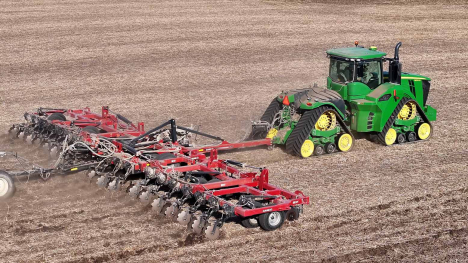
War and High Prices Put Pressure on Farmers with Another Tough Start to Planting Season
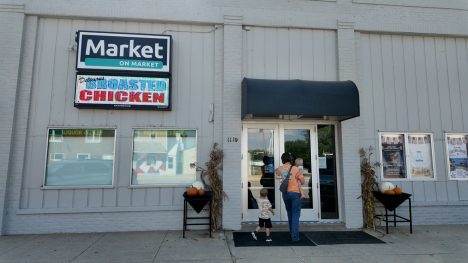
A tiny Iowa town was days from losing its only grocery store, so they just bought it themselves.
Farmers face more hurdles as they head into the field. A grocery store keeps a community from turning into a food desert. Commodity market analysis with Chris Robinson.
An E15 waiver at the pump may give benefits to row crop farmers. Encouraging more women to step into leadership roles on the farm. And, commodity market analysis with Don Roose.
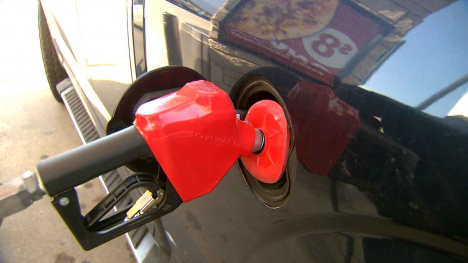
This week, the White House worked to reduce high prices at the gas pump and seek some relief from the political backlash over high energy prices brought on by the war with Iran.