Brad Matthews examines grain market lows, Chinese soybean demand and cattle and hog prices.
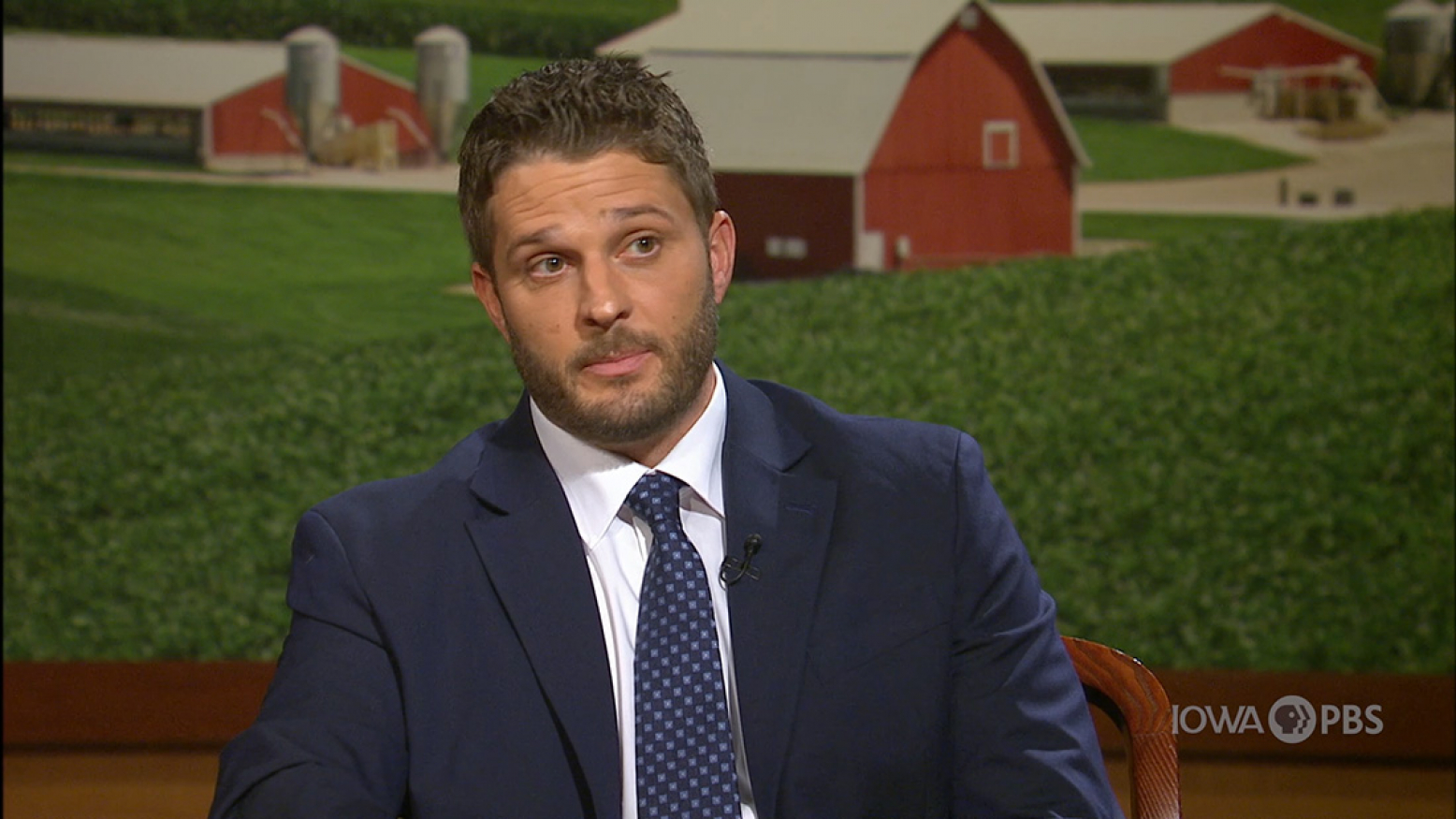
Grain Lows, Soybean Demand and Falling Cattle and Hog Prices
Share


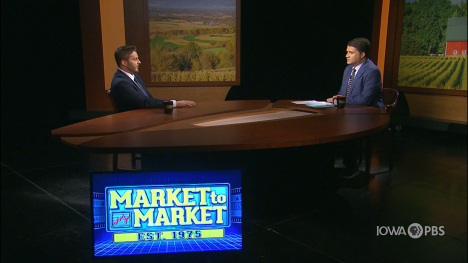
Wheat export sales improved as funds held a large short position. Brad Matthews explains why corn buying could signal a developing lows, makes his longer-term bullish case for soybeans and flags warning signs in cattle and hog markets. Plus, cash corn basis and the crude oil outlook with Brad Matthews.
Transcript
[YEAGER] It was a week filled with multi-month lows as harvest yields and fund selling pressured the trade. For the trading week ending October 30th, the nearby wheat contract lost $0.22 and the December corn contract fell $0.08. The funds appear to have left much of the long bets in the soy complex. The January soybean contract sold off $0.34 and December meal decreased by 2150 per ton. December cotton shrank $2.37 per hundredweight. November class three milk futures fell $0.17. The livestock complex was lower. December cattle weakened by 1018. January feeders cut 1357 and the December lean hog contract lost $6.70, or 10%. In the currency markets, the U.S. Dollar index added 17 ticks. December crude oil expanded $1.45 per barrel. Comex gold declined $118.80 per ounce, and the Goldman Sachs Commodity Index was off nearly a point to settle at 74959. Here now to lend us his insight on these and other trends is market analyst Brad Matthews. Hello, sir. Welcome back.
[BRAD MATTHEWS] Thanks for having me.
[YEAGER] Well let's see. Let's take a look at these buy signals. You got them on wheat, corn and beans. Let's start with wheat. Multi day lows continue. But China comes sniffing around. Is that the final. Is that the spark to finally end this down sell?
[MATTHEWS] It could definitely help if there's confirmation of sales that actually take place. And that's been part of the problem in wheat is the whole $2 break from its high. We weren't seeing export sales pick up. We're way behind pace. This was the first week. So, Thursday's export sales was the best we've had in basically a year. Best for this marketing year. Almost double what the trade expectation was. Question is do we continue to see that? At the same time, there was the rumblings of China in the market. If you actually get confirmation of them buying. Yes, I think so.
[YEAGER] And that is that enough to pull other markets with it potentially?
[MATTHEWS] I think one of the other things you got to keep an eye on on wheat that I am very interested in seeing is that the funds have built up a big short position. Again, on the other side, which people don't like to talk about much is the commercials. When the commercials get to around a neutral to a long position and the funds have a big short, that is usually a very good sign for bottoming. So when it comes to money flow in general, the two biggest players, they are positioning themselves for a long term bottom. It doesn't mean it's today, but it is definitely building the case.
[YEAGER] Are we in a pause before we sell any more or buy any more or make any action? I should say any sudden action right here in wheat?
[MATTHEWS] I believe in wheat you're trying to find a bottom, whether it's here or ten, 20, $0.30 lower. It takes two, three, four weeks. Long term, I am not a seller in here because I believe we are going to find a bottom. I think we're trying to fish for that bottom. Whether it comes today, next week, like I said, or in a month, we are getting very close. I would not be selling wheat down here.
[YEAGER] Speaking of that bottom, we're still down there pretty low on corn. Any hope for that one?
[MATTHEWS] I do have hope in corn. I think it's going to be the same thing. It's not going to be one of those things, especially in grains. They don't be bottom. So you're not going to see a bottom in corn. But is it trying to build a base? Yes. Could it go down and test the June lows, which is going to be what, like around four and a quarter December corn? Yeah, I can say that's possible. But one of the same things that you're seeing in corn, that's a good sign. Especially this week. There was 90,000 contracts of corn sold by the funds. We didn't move a lot in price. So what does that mean? It means that the end user, somebody else is taking the other side of that. You're seeing a transfer of ownership. Okay. That is what you want to see, defined bottoms.
[YEAGER] Well, there was a story about that this week. CoBank did a story about elevator ownership positions changing. Is that what you're alluding to?
[MATTHEWS] Correct. Yes. So, you're seeing the commercials position shrinking. They're buying contracts back, which is happening during harvest, and you're seeing the funds have basically liquidated almost 400,000 contracts from their high. Same thing as wheat. You're building a base. Does that mean the low is in? Maybe not. Maybe it goes a little bit lower. But do I think if we're talking two weeks from now versus four months from now? Yeah, if I'm an end user and I need to get stuff bought, if I'm a feedlot and I need to get stuff bought, I'm accumulating corn right now. And the lower we go, I keep accumulating. Because where I'm looking at four months from now, yes, I think there's better prices to come. Short-term, it's anybody's guess.
[YEAGER] Four months is a long time for some people. So can if you have to of course, dribble sales out to fill whatever cash you need, but otherwise lock that bin door shut.
[MATTHEWS] I think so. And the question is, is the yield too high? Did they raise it too much? I personally believe that they did. But the truth will be in the cash market once we get through harvest. The cash market will quickly tell us if the yield is really out there or not. We're already starting to see basis appreciate more than you would expect while you're in the heart of harvest. So I think it's already telling us that the yield is really not there. But yes, I think lock the door shut if you don't have to have cash right now.
[YEAGER] All right, Dan, in Oregon, I stole your question a little bit. And then just edit it a little bit. Thank you, Dan, for that question. Let's go beans for a minute. We tested that 100 day moving average and then went below it. What does that tell you?
[MATTHEWS] Soybeans was a little bit different. And the reason being is, one, they're pricing in a bigger yield. Everybody's talking about bigger bean yields not as good in corn. And I would agree from what I'm hearing from my farmers, bean yields are pretty good. Does the bean yield have to go higher than where it's at since it's basically already at a record? I don't know, maybe it does. Maybe it goes up another bushel per se, but we're already pricing that in. We are still priced in a lot of bearishness with the Brazilian real. The problem is when that came out and the real lost 12%, the funds had not liquidated nearly the amount of contracts that they owned in beans is what they had in corn and wheat. So now you're getting some of that follow through. My personal opinion is the biggest bull market out of all of them is beans. We are taking price down. We're allowing China to come in and buy. And I hear all the time from people, oh look, China, it's already priced in the market. The 25 million metric tons that's in the market. No it's not. We've talked about it. We went up higher because we were talking about it and we were getting confirmation if they buy all 25 million metric tons and we sell what we're supposed to, to other countries, we will have 250 million plus bushels additional demand on that balance sheet. That is why I say it's not priced in. So allow them to continue to buy down here. Allow us to take prices lower for the short term. It will be more bullish in the big picture for beans.
[YEAGER] But part of that deal and part of the whole wheat buying was that they China was required to buy non soybean. You're saying they're going to buy the non soybean and still come in for some beans.
[MATTHEWS] Yes China is on pace to get that 25 million metric tons. And that is not priced into the market. If they buy it all I believe we'll have 200 plus million bushels added to demand if they buy that all which will shrink the carryout.
[YEAGER] Do you have a timeline on that to watch?
[MATTHEWS] Well, with the way that they've been buying them, I mean, the lower we are and the longer we stay down these prices. I mean, what was it, 91 million bushels that we shipped out? That was the highest in two years. We're currently at the four year highest pace for export sales right now. So you just look at what we're doing. And we had more sales today to unknown destinations, which my guess would be probably China.
[YEAGER] That's usually who it translates to. Livestock down week for everything feeders, cattle, hogs. We'll get to hogs in a minute. Let's start with the cattle report because you had another border crossing. We're seeing 10,000 head come in. We're seeing this market, the fundamentals are changing. Is that the big reason for that tick lower?
[MATTHEWS] Cattle was led up by the cash market. The cash market came to a screeching halt. It was by the rumor sell the fact that cattle on feed report was bullish. You really haven't been any higher since then. Part of the problem is what people didn't pay attention to on the cattle on feed is there are more. Available cattle to go on feed than there ever has been before. They're not currently in feedlots. Okay. You got grow lots. You got pasture. There is a lot of cattle out there. So as soon as the cash market hit the pause button and we went through a little bit of support, now it is the pile on. The funds have not wanted anything to do with this. And the warning sign was that when we were on our way up there, open interest did not go up. That's not a good sign. So, I would say in cattle 220 right there on December fats, you got to keep a close eye on that. That's right around where we are much lower than that. And it can get ugly. We need to close back above 228 to flip the charts friendly. Feeders 329 to 330 close below could get ugly. We need to close above 339 to get that back friendly.
[YEAGER] Let's talk about feeders for a minute. You kind of alluded to it already in the opportunity to do some feed need filling.
[MATTHEWS] Yes.
[YEAGER] You stand by that still?
[MATTHEWS] Are you talking about the purchasing the corn? Yeah, I absolutely, because I don't think there's much more than 15 or $0.20 of downside risk from here in corn. And I think that also, even if futures go down more, the basis is going to appreciate. So the cash price to them isn't going to change a lot. So I absolutely think that they should be accumulating corn for the next six months out for sure.
[YEAGER] And what does that do for the outlook in your calculations? Feeder cattle is different than the live cattle market, but is there anything different fundamentally or technically moving right now in feeders?
[MATTHEWS] I have concern for both fats and feeders right now. We went through a key trend line and if we don't get back above that, that's what I'm saying. Close back above 339 and was it about 230 in the fats? This could be like 2015 all over again.
[YEAGER] Oh. Well, and it's not looking real good for the hog market either right now. Is there any hope? I mean, when the number printed at a five today, that kind of got my attention. What is what is that saying?
[MATTHEWS] Number one, there's too much supply. Number two, it's not a competitive meat anymore. Chicken really has become that competitive meat. And you're just not getting that demand to step up. So, the funds are very short. They're buried short. And if you go back in time, you've looked at wheat in past years when they decided to just keep selling, keep selling, keep selling, they take prices way lower than what makes sense. And that's kind of what they're doing in the hog market right now until they decide to take their foot off the gas pedal it's tough to say when hogs are done going down. December, hogs need to close above 66 to confirm a low.
[YEAGER] That's a tough number to look at and a tough chart to look at. Real quick. We're just in the last few seconds. Crude oil 104, is that the peak for right now?
[MATTHEWS] I don't know. I think it could go higher. To me crude oil definitely has the opportunity to still go higher. And I think you could see 115 to 120.
[YEAGER] All right. Thanks Brad. Especially for allow me to put you on the spot at the end.
[MATTHEWS] Thank you.
[YEAGER] That's Brad Matthews everybody. And you've been watching our market analysis. If you are watching online or on the PBS app, we are going to stay here, continue this discussion and Market Plus our online only segment. Find it wherever you get your podcasts, or you can go to markettomarket.org to watch, listen or read. We are making a schedule change with the Market Insider newsletter and the MtoM podcast. That will make it a twofer Tuesday. Now both will come out on Tuesday. That's the Market Insider and the MtoM every Tuesday. Our insiders get this news first, and you can be part of that crew by signing up for our newsletter. Next week, we look at how a changing climate is redrawing the map for global fisheries. Thank you so much for watching. Have a great week.
Trading in futures and options involves substantial risk. No warranty is given or implied by Iowa PBS or the analysts who appear on Market to Market. Past performance is not necessarily indicative of future results.
Watch More
An Iowa farm adds shrimp farming with an algae-based system and direct-to-consumer sales.
A think tank backs renewing USMCA, the trade agreement linking the United States, Mexico and Canada.
Diesel costs, USMCA renewal, Iowa shrimp farming and Brad Matthews on grain and livestock markets.
Brad Matthews discusses fund selling, USDA corn yields, Chinese soybean demand and weather risks.
Rising diesel prices squeeze farm profits as Iowa and Kansas farmers weigh their midterm votes.

Wages aren't keeping up with prices. How negative real wage growth and higher fuel costs are changing what Americans buy, and where businesses feel it most.