March may have come in like a lamb, but it is becoming a lion.
U.S. Gets Wild Weather as the Seasons Switch From Winter to Spring
Share


March may have come in like a lamb, but it is becoming a lion.
Transcript
March may have come in like a lamb, but it is becoming a lion.
Tornadoes broke out in eastern Indiana flipping cars and leaving serious damage to buildings in the community of Winchester. At least three people were killed and 20 more were injured in the system that spread across parts of Ohio and Kentucky.
The mountain states of Wyoming, Montana and Colorado are suffering through late Winter snowstorms.
One system dropped more than 30 inches of snow on the Colorado front range. Major sections of Interstate 70 were closed, stranding vehicles along the route. The city of Denver received up to 20 inches of snow.
Trooper Gabriel Moltrer, Colorado Highway Patrol: “If you find yourself going through and one of the roads is closed, don’t try to go around, they are closed for your safety. If you’re trying to go into work, let them know that the road’s closed and you’re not going to be able to make it.”
The 20 inches of rain that has fallen on California since January continues to cause trouble for the Golden State. A landslide, weeks in the making, caused this hillside near Los Angeles to slump, pulling a home along with it.
Intense storms swept through the Midwest dropping 4 - inch diameter hail in parts of eastern Kansas.
Rain also hit other sections of the Midwest as storms rolled in at the end of the week.
A drought still grips portions of the Texas panhandle. Last year’s rains helped promote the growth of range grass. What was left after grazing helped create perfect conditions for wildfires. When 70 mile per hour winds and a spark from downed powerlines met in late February thousands of acres burned and thousands of cattle were killed. Despite the fallout and current dry conditions, producers remain optimistic
Bill Martin, Manager - Lonestar Stockyards: “I don't think in a month, we'll be ready to do anything, it's going to take two to three months for the grass to grow. It's gonna take six months to a year to build some of the fences back. Two to three years, we might see a lot of the places back in operation, but it's just gonna be, we're just gonna have to find out what we can do.”
For Market to Market, I’m David Miller.
Watch More
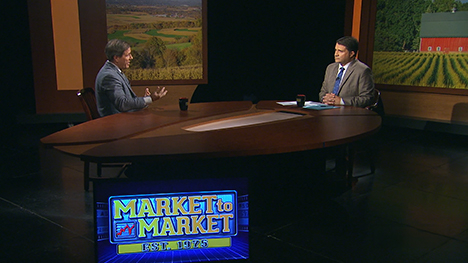
Shawn Hackett weighs storing corn versus selling soybeans and Brazil’s potential weather risks.
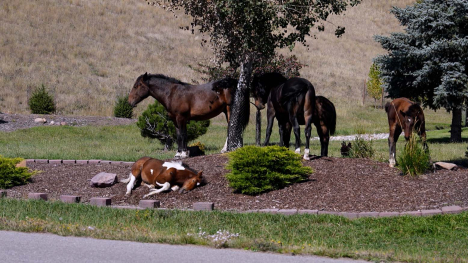
Montana residents balance affection for free-roaming horses with safety and property concerns.
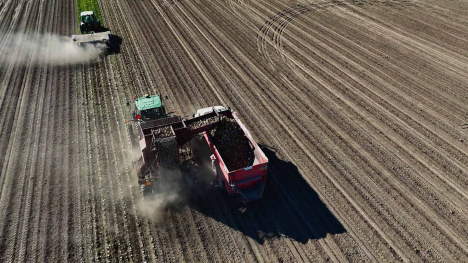
A growers association reports average losses of $500 per acre as sugarbeet harvest gets underway.
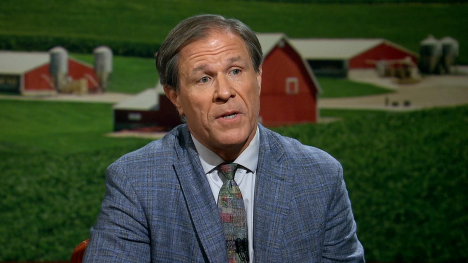
Shawn Hackett weighs corn demand, USDA yields and potential November turning points for grains.
Sugarbeet losses, diesel costs, Montana’s feral horses and market analysis with Shawn Hackett.

Global supply disruptions keep fertilizer markets volatile heading into 2027.