Professor Katrina Cornish is working with plants she hopes will be used as a domestic source of natural rubber.
The Search for Alternative Sources of Natural Rubber
Share


Concerns over supply interruptions of natural rubber due to political upheaval or disease is motivating scientists to find domestic alternatives.
Transcript
In a Wooster, Ohio, greenhouse operated by Ohio State University, professor Katrina Cornish is working with plants she hopes will be used as a domestic source of natural rubber. Cornish is motivated by her concern that most of the world’s natural rubber is grown in Southeast Asia and political upheaval or disease could cut off the world supply.
Katrina Cornish, The Ohio State University: "My job isn’t done until this is a permanent feature of the landscape.
Cornish is raising dandelions and the desert shrub guayule in hopes of showing how these plants can make the U.S. self-sufficient in rubber production. Along with her team, Cornish has demonstrated that the stretchy rubber substance extracted from these plants can be made into common items like medical gloves and parts for trachea tubes.
Katrina Cornish, The Ohio State University: People wouldn't be able to imagine the U.S. without having corn in it or soybeans in it. But I want see a U.S. that you can't imagine isn't a major rubber producer. That's what has to happen.”
Cornish is not alone. Private industry has also been working on the equation. In Eloy, Arizona, Bridgestone Corporation, the world’s largest tire and rubber company, has been operating its own research and development farm. Over the last two years the company has been looking closer at moving from research to production.
David Dierig, Manager, Bridgestone Agro Operations Guayule Research Farm: "On the average it uses a lot less water than crops like corn, cotton, alfalfa, wheat. All those crops use more water than guayule does. So it’s really kind of the perfect crop that will fit into a farm setting.
Arizona farmers are currently under pressure due to water allotment cuts but the alternative crops won’t attract producers if there isn’t any infrastructure in place and if the economics fail to support production.
Katrina Cornish, The Ohio State University: "The technical challenges are pretty much all been overcome. So we know how to do this. The challenge is financial.”
For Market to Market, I’m David Miller.
Watch More
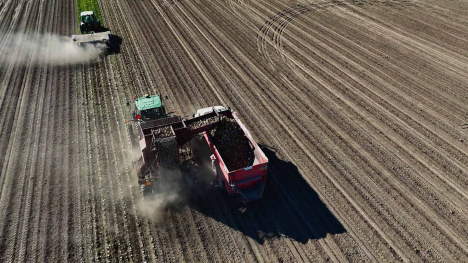
A growers association reports average losses of $500 per acre as sugarbeet harvest gets underway.
Shawn Hackett weighs corn demand, USDA yields and potential November turning points for grains.

Sugarbeet losses, diesel costs, Montana’s feral horses and market analysis with Shawn Hackett.

Shawn Hackett weighs storing corn versus selling soybeans and Brazil’s potential weather risks.
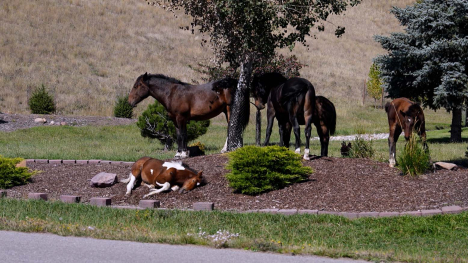
Montana residents balance affection for free-roaming horses with safety and property concerns.

Global supply disruptions keep fertilizer markets volatile heading into 2027.