Research into the Highly Pathogenic Avian Influenza virus that crossed from birds into the nation's dairy herd continues at the National Animal Disease Center in Ames, Iowa.


Research into the Highly Pathogenic Avian Influenza virus that crossed from birds into the nation's dairy herd continues at the National Animal Disease Center in Ames, Iowa.
Transcript
Research into the Highly Pathogenic Avian Influenza virus that crossed from birds into the nation's dairy herd continues at the National Animal Disease Center in Ames, Iowa.
Tavis Anderson, Research Biologist at the National Animal Disease Center: “This avian influenza virus, which would normally stay in birds, has gone into more than 20 different mammalian species more than 100 times in two years. So this group of viruses – don't know exactly what it is, but it has the capacity to cross the species boundary.”
The NADC confirmed earlier this year that the virus passed from cow to cow via the mammary glands during milking. Current research is exploring if there are other routes the virus can pass between dairy animals.
Kaitlyn Sarlo Davila, Research Animal Physiologist at the National Animal Disease Center: “We do not know nearly enough about how this virus is transmitted among animals. That's why what we're doing right now is really important. So we are evaluating the spread on milking equipment. But then we definitely need to consider some other avenues, too.”
The USDA has confirmed 197 cases of HPAI across 14 states in 2024, including 17 new cases in the last 30 days, led by 5 in Colorado.
Researchers at NADC have also begun the initial phase of testing of a vaccine for avian flu in dairy cattle. The vaccinated animals are now being tested for an immune response generated by the vaccine.
Understanding the full capability of HPAI in animals remains the project’s goal.
Tavis Anderson, Research Biologist at the National Animal Disease Center: “We have a picture in our mind of how influenza moves between different animals and what animals are involved in that influenza ecology, and cows were never part of that that picture until now. And understanding where cows fit in that picture is going to be the next challenge for the next couple of years, potentially. Do they then have their own unique influenzas? Can it go from a cow back into wild birds? Can it go from a cow into a human, cow into a pig? And understanding those dynamics, I think, is the outstanding research question, or one of them.”
For Market to Market, I’m Peter Tubbs.
Watch More
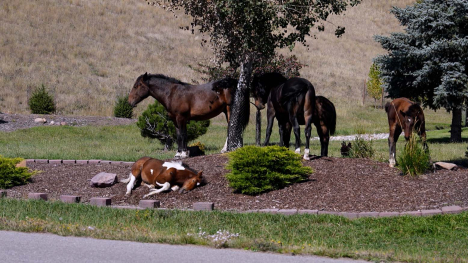
Montana residents balance affection for free-roaming horses with safety and property concerns.
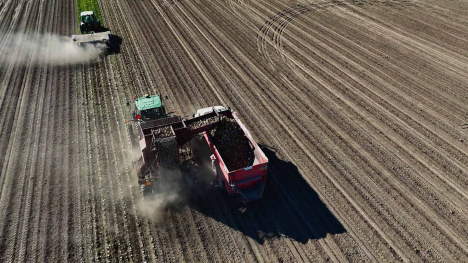
A growers association reports average losses of $500 per acre as sugarbeet harvest gets underway.
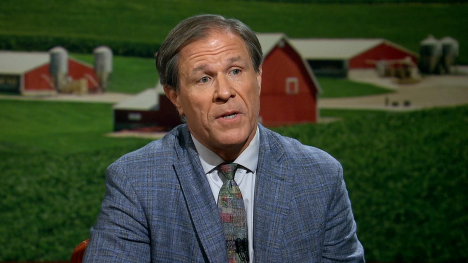
Shawn Hackett weighs corn demand, USDA yields and potential November turning points for grains.
Sugarbeet losses, diesel costs, Montana’s feral horses and market analysis with Shawn Hackett.
Shawn Hackett weighs storing corn versus selling soybeans and Brazil’s potential weather risks.
Global supply disruptions keep fertilizer markets volatile heading into 2027.