James Earl Carter, Jr., was born in Plains, Georgia in 1924. While his work would take him far away from his rural home, he was never far from the roots that grounded him.
Former President Jimmy Carter Leaves a Legacy of Political Policy and Humanitarian Aid
Share


James Earl Carter, Jr., was born in Plains, Georgia in 1924. While his work would take him far away from his rural home, he was never far from the roots that grounded him.
Transcript
James Earl Carter, Jr., was born in Plains, Georgia in 1924. While his work would take him far away from his rural home, he was never far from the roots that grounded him.
In 1946, he graduated from the Naval Academy and served in the U.S. Navy, eventually returning home to help with the family's peanut business.
In the early 60s, Carter started a political career as a Democrat, was elected governor of Georgia in 1970 and by 1976 he was nominated as the dark-horse candidate for the Presidency. He defeated incumbent Republican president Gerald R. Ford to become the 39th President of the United States.
Carter was a champion of the environment in a time when it was unpopular to be one. During the 1979 energy crisis, he looked to renewable energy to help fill the gap and became a vocal advocate for both ethanol and solar power.
But politically, he was plagued by high inflation and unstable world events. In late 1979, the Soviet Union invaded Afghanistan. In response, President Carter embargoed U.S. grain sales to the Soviets on January 1, 1980. The move, as reported in this edition of Market to Market, caused the Chicago Board of Trade to suspend trading for two days.
Carter’s attempt to use food as a weapon failed. President Ronald Reagan lifted the embargo after taking office. The Soviets remained in Afghanistan for 10 years before leaving in defeat.
According to some sources, the effects of the embargo lingered for nearly two decades. The overall effect on Russia was minimal as buyers found cheaper grain in other countries like Argentina. The embargo had little overall impact on U.S. grain prices but producers did see prices fall initially.
The Soviet Grain Embargo was one of the reasons Carter was defeated in the 1980 presidential election and some point to this as one of the major factors in sparking the 1980s Farm Crisis.
The cause of the Crisis has been attributed to other factors in play during his presidency including the fallout from federal farm policies adopted before he took office, overproduction of farm commodities, a high inflation rate and an expensive U.S. dollar.
After losing political office, Carter returned to Plains to begin a career focusing on humanitarian aid, this included the establishment of the Carter Institute in 1982 under the motto “waging peace, fighting disease, building hope.” He would often be seen working with Habitat for Humanity, a social service organization that makes it possible for people with low socioeconomic status to afford a single family home.
In 2002, Carter was awarded the Nobel Peace Prize for his decades of work to find peaceful solutions to international conflicts, to advance democracy and human rights, and to promote economic and social development.
At the end of his life, Carter was still active in politics, continued to support Civil Rights and participated in several humanitarian aid projects.
In late February of 2023, after a series of short hospital stays, Carter announced through a statement that he would be returning to Plains, Georgia for home hospice care.
President Biden acknowledged that Jimmy Carter aspired to make the government “competent and compassionate” and responsive to the American people and their expectations.
Jimmy Carter passed away on Sunday, December 29, 2024 at the age of 100.
For Market to Market, I’m David Miller.
Watch More
Sugarbeet losses, diesel costs, Montana’s feral horses and market analysis with Shawn Hackett.
Shawn Hackett weighs storing corn versus selling soybeans and Brazil’s potential weather risks.
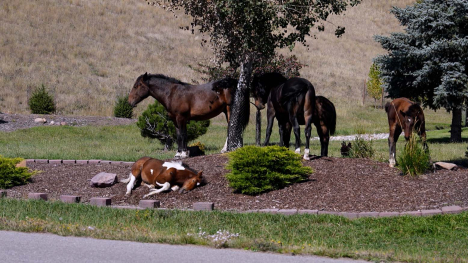
Montana residents balance affection for free-roaming horses with safety and property concerns.
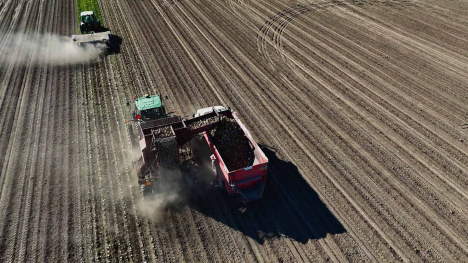
A growers association reports average losses of $500 per acre as sugarbeet harvest gets underway.
Shawn Hackett weighs corn demand, USDA yields and potential November turning points for grains.

Global supply disruptions keep fertilizer markets volatile heading into 2027.