The bill advances 12–11 as lawmakers remain divided over SNAP provisions.
Senate Committee Advances 2026 Farm Bill on Party-Line Vote
Share


The Senate Agriculture Committee advanced the 2026 Farm Bill on a 12–11 party-line vote. The legislation includes year-round E15 sales, mandatory country-of-origin labeling and reauthorization of conservation and rural development programs. Disputes over SNAP funding and state penalties leave final passage uncertain.
Transcript
This week, the Senate Agriculture Committee moved the 2026 Farm Bill out of committee, advancing on a 12-11 party line vote.
Republicans promoted the inclusion of language to allow year-round sale of E15, mandatory country-of-origin labeling, and the reauthorization of Conservation Reserve and Rural Development programs.
Democrats objected to the timeline for implementing state-level penalties to reduce the accounting error rate for SNAP funding. States are having difficulty meeting new paperwork requirements which became law in May as part of reconciliation.
Observers believe that separating SNAP spending from the main Farm Bill will make passage more difficult.
Jonathan Coppess, University of Illinois: “Farm Bills since 1973 have had the food assistance and farm assistance in place together. In importantly, to maintain that coalition, we had this thing we sort of commonly called it the cardinal rule of the farm bill… which is you don't cut food assistance to boost assistance to farmers or vice versa, and you kind of abide by that.”
The final vote on the Farm Bill may not happen until after the election, and votes during the lame duck session are hard to predict.
Jonathan Coppess, University of Illinois: “I have to say, well, this bill isn't quite so controversial. It's what they did last year that set this up. That is the controversy and the problem. So it's like we're paying for that controversy of last year's decisions in this year's bill.”
Funding for most sections of the Farm Bill run through the end of the year.
For Market to Market, I’m Peter Tubbs
Watch More
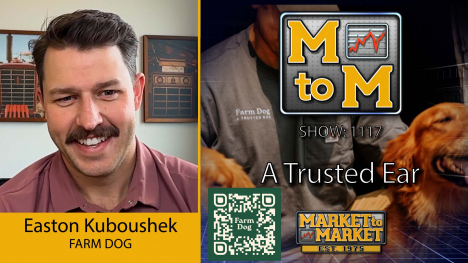
Farmers rarely seek mental health help. Farm Dog offers care from people who know farm life.
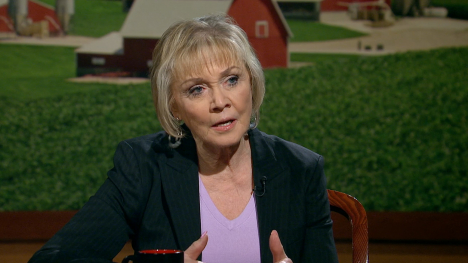
Sue Martin examines grain stocks, harvest risks, soybean demand, energy costs and livestock markets.
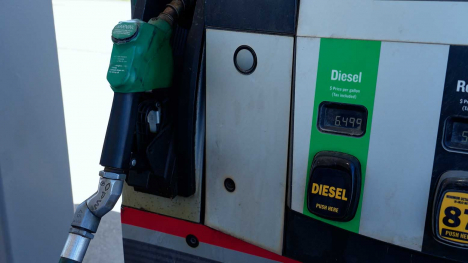
Rising diesel and freight costs squeeze farm margins and could reshape plans for the 2027 crop.
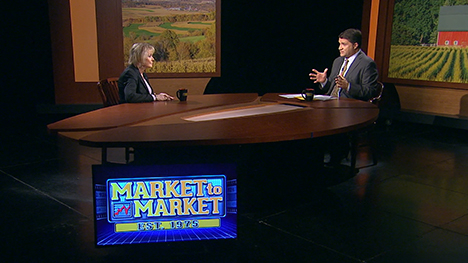
Trade frustration is muting the weather rally, according to Sue Martin in our Market Plus segment.
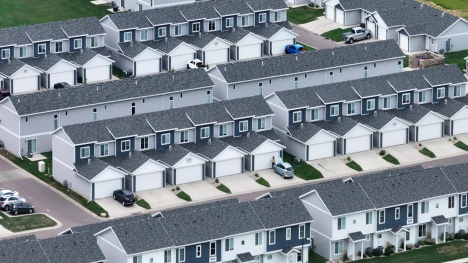
Midwest population growth brings opportunities near cities, while remote farm towns lose residents.
Wet fields threaten harvest delays, diesel raises farm costs and rural population growth is uneven.