The last five years have proven expensive in storm damage. Totals from NOAA cite a winter storm, four wildfires and two hurricanes as the most expensive period ever, totaling $765 billion in damage.


The last five years have proven expensive in storm damage. Totals from NOAA cite a winter storm, four wildfires and two hurricanes as the most expensive period ever, totaling $765 billion in damage. Just last month, Hurricane Ian swept across Florida. Exact costs are still being compiled, and some agricultural producers won’t have a firm handle on the extent of their damages for months.
Transcript
Florida agriculture is working through the damage from Hurricane Ian, which struck the state in late September.
The hurricane, which killed over 80 in Florida alone, damaged thousands of acres of the state’s $6 billion dollar citrus crop.
Roy Petteway, citrus grower: "We're estimating at least 40 percent of our crop is on the ground and unusable and unmarketable. We're looking at maybe a 10 percent tree loss. And again, the trees are what will take even longer to determine. When we have trees that will all of a sudden rapidly die in the next six months to eight months-- those can be attributed then to either water issues, wind issues. When your ground gets very moist and loose, that wind comes in, shakes the roots, those roots are never able to reset themselves."
This grove in Hardee County is expecting losses of both citrus fruit in the near term and tree losses in the coming months. Damaged trees may also struggle during periods of drought.
This year’s citrus crop, which was estimated to be 30 percent smaller than 2021 before the hurricane, is expected to fall even further as farmers inspect their orchards and begin fall harvest.
Florida citrus production was already under pressure from citrus greening, a bacterial disease that inhibits a citrus tree’s ability to process nutrients. The disease, for which there is no cure, has cut production by two-thirds over the past 20 years.
For Market to Market, I’m Peter Tubbs.
Watch More
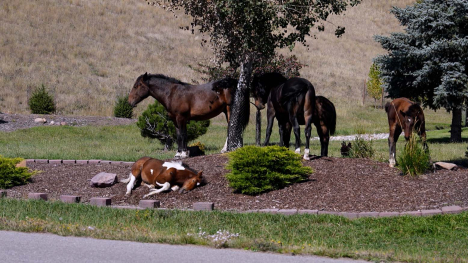
Montana residents balance affection for free-roaming horses with safety and property concerns.
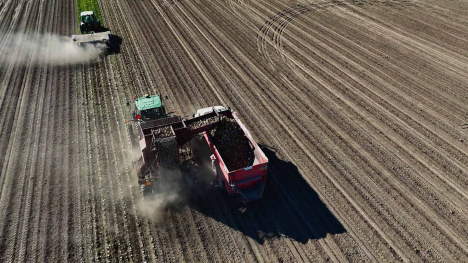
A growers association reports average losses of $500 per acre as sugarbeet harvest gets underway.
Shawn Hackett weighs corn demand, USDA yields and potential November turning points for grains.
Sugarbeet losses, diesel costs, Montana’s feral horses and market analysis with Shawn Hackett.
Shawn Hackett weighs storing corn versus selling soybeans and Brazil’s potential weather risks.

Global supply disruptions keep fertilizer markets volatile heading into 2027.