The University of Nebraska released their farm production cost budgets for 2023, and estimated increases in almost every input category.


The University of Nebraska released their farm production cost budgets for 2023, and estimated increases in almost every input category.
Transcript
The University of Nebraska released their farm production cost budgets for 2023, and estimated increases in almost every input category.
The spike in energy costs in 2022 are expected to keep the prices of both diesel and fertilizer elevated in 2023.
Robert Klein, University of Nebraska, Lincoln: “We say the budgets have increased on corn like 23 to 25%, soybeans like 13 to 19%, depending which you're doing. Wheat on the average is about 20% increase and so forth.”
Growers of nitrogen hungry corn may need to adjust their application rates in light of continued high prices for the popular fertilizer. The cost of nitrogen is expected to increase 38 percent from 2022.
00:04:23:03 - 00:04:49:24 Robert Klein, University of Nebraska, Lincoln: “You might want to lock in your fertilizer costs for 2023 here. It looks like you got a pretty good price on it. Now, you may want to go ahead and lock in that price and make sure that you get it. And then if you tie down more of those expenses, then you can look at future markets and whether you want a forward contract or hedge to arrive or many other options in marketing.”
Supply chain problems and a surplus of buyers resulted in increases in equipment prices, especially combines. The University’s budget estimates a jump of 275 percent in the cost of owning and operating a combine to $207 dollars per hour from $55, The increase is being driven by a rise in the cost of the machines, spikes in the costs of parts and repairs, and a $1 climb in diesel fuel prices.
00:10:27:00 - 00:10:55:00 Robert Klein, University of Nebraska, Lincoln: “As you use budgets and so forth, you know, compare your cost to what we have in the budget. And then when you see that you're kind of out of line on an item, you know, investigate that father and see why your cost is so much higher than our cost that we’ve got.”
Klein advises that the difference between the high cost producer of a crop in a region and the low cost producer often comes down to the rate of fertilizer application and the amount of capital committed to equipment. Given the jump in expected input costs, the nation’s farmers will likely face challenges to maintaining their margins in 2023.
For Market to Market, I’m Peter Tubbs.
Watch More
Shawn Hackett weighs storing corn versus selling soybeans and Brazil’s potential weather risks.

Montana residents balance affection for free-roaming horses with safety and property concerns.
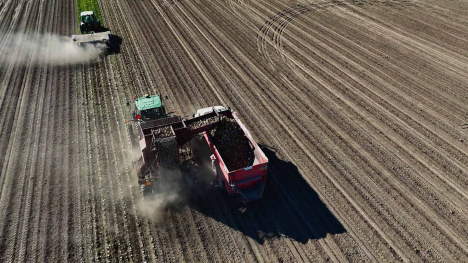
A growers association reports average losses of $500 per acre as sugarbeet harvest gets underway.
Shawn Hackett weighs corn demand, USDA yields and potential November turning points for grains.
Sugarbeet losses, diesel costs, Montana’s feral horses and market analysis with Shawn Hackett.

Global supply disruptions keep fertilizer markets volatile heading into 2027.