A major change in conditions as drought areas are stricken with severe storms as hazy skies loom over much of the eastern U.S.
Grain Belt Goes From Drought to Storm-Damaged Crops in Days
Share


A week ago - forecasters were calling for widespread rains and a change in patterns over areas in the Grain Belt. A week later, heavy rain came true for some — but so did violent wind and hail. Almost 300,000 people woke up Friday without power in Indiana and Illinois. But there were other extreme conditions out there as well as David Miller reports in our weather wrap.
Transcript
Texas heat was on full blast this week as residents did whatever they could to stay cool, seeking time in the sprinkler or a moment in some nearby shade.
The second week of triple digit temperatures forced the state’s power grid to operate under a weather watch. The move put customers on alert for the possibility of power curtailment.
The weather is putting the electrical grid under pressure, just like it did several months ago when it struggled during extreme winter conditions.
Doug Lewin , Energy expert: “ERCOT’s (Electric Reliability Council of Texas) system is much better suited for the summer time , then it is for the winter. There have not been summer outages in Texas in over a generation, at least. That is because it’s always been thought of as a summer peaking system.”
Some drought has returned to Texas, but according to the latest Drought Monitor, Middle America is suffering the most. Dry conditions in Kansas, Missouri and Nebraska have only served to tighten drought’s grip.
For Iowa growers, rain has fallen in recent days on areas experiencing drought, but not enough to end concern.
For those in a line from Nebraska to Indiana, a derecho packed hurricane-strength winds and flattened an already drought-stricken crop on Thursday.
The weekly precip snapshot reveals anywhere from 1-2 inches have fallen on most of Nebraska, South Dakota and Minnesota.
Winter wheat harvest is in mid-season form across most of Oklahoma. The crop was severely stunted by drought that persisted from winter into early spring. The region eventually received rain and a little green can be seen emerging underneath wheat heads as combines roll across the Sooner State.
Mike Schulte, Oklahoma Wheat Commission: “We're about 12 to 15 days behind schedule now of where we normally would be when you look at harvest over the last 10 to 12 years. So you know, it just, We're thankful for the moisture. It allowed us to have something where we thought maybe we weren't going to have anything at all. But now at this point in time, it would be great if we could have you know, five to six days of real dry weather to try to get it out because anything now that happens with rain probably is not going to bode well for us as far as quality.”
Another challenge for several million Americans has been degraded air quality due to smoke from Canadian wildfires. Hazy conditions have spread from the Missouri River to the eastern seaboard.
Here in Chicago, residents curtailed exercise as the EPA categorized conditions as unhealthy.
For Market to Market, I’m David Miller.
Watch More
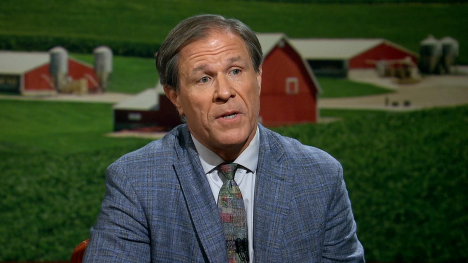
Shawn Hackett weighs corn demand, USDA yields and potential November turning points for grains.

Sugarbeet losses, diesel costs, Montana’s feral horses and market analysis with Shawn Hackett.
Shawn Hackett weighs storing corn versus selling soybeans and Brazil’s potential weather risks.
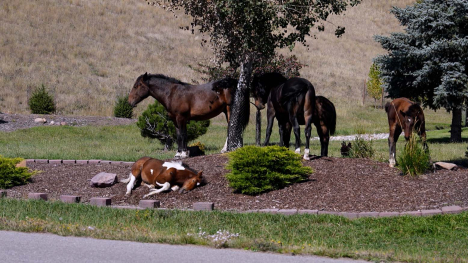
Montana residents balance affection for free-roaming horses with safety and property concerns.
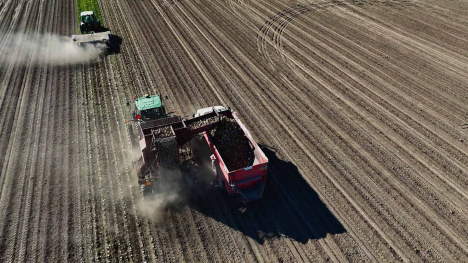
A growers association reports average losses of $500 per acre as sugarbeet harvest gets underway.

Global supply disruptions keep fertilizer markets volatile heading into 2027.