Market Analysis with Matt Bennett
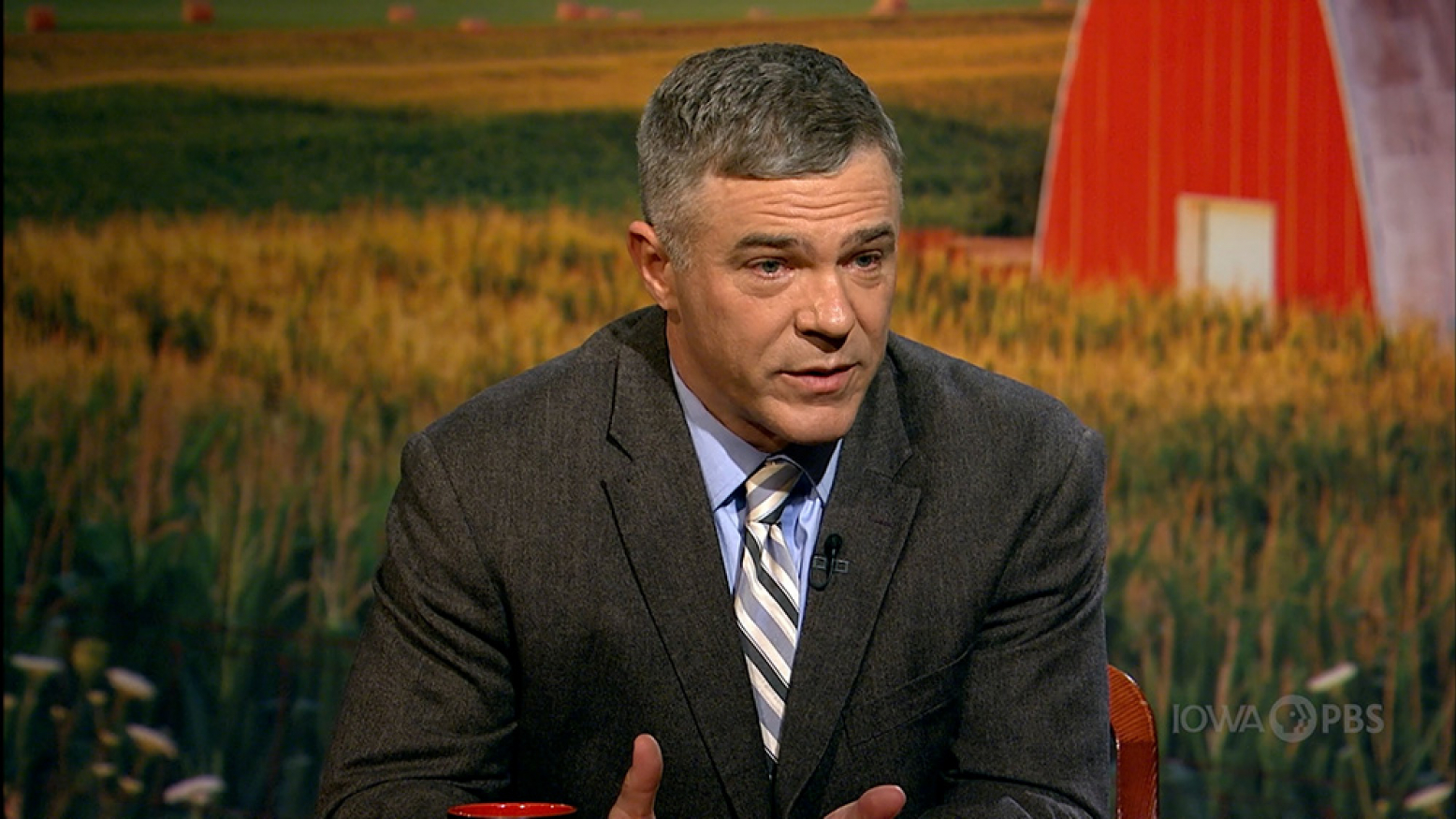


Market Analysis with Matt Bennett
Transcript
[Kohlsdorf] We are recording on Thursday this week due to changes in our production schedule. The war with Iran, weather in South America and flash sales to China move the market for transactions printed on March 5th, the nearby wheat contract lost $0.08 in the May corn contract. Gained a nickel reduced soy oil demand and rain, causing a slowdown at Brazilian ports, pushed the nearby soy contract slightly higher. The May soybean contract improved by $0.09, while May meal dropped $11.20 per ton. May cotton fell by $1.57 per hundredweight. Over in the dairy parlor. April class three milk futures added $0.04. The livestock market was mixed. April cattle put on $6.30. April feeders bumped up $7.80, and the April lean hog contract shed a nickel. In the currency markets, the U.S. Dollar Index, strengthened by $1 six or by 166 ticks. April crude oil found $13.99 per barrel. That's a gain of nearly 21%. Comex gold fell $1 176 per ounce, and the Goldman Sachs Commodity Index was up by more than 64 points to settle at 6.74 55. Wow. Here to lend us some insight on these and other trends is regular market analyst Matt Bennett. Hi, Matt. Thanks for joining us. So, we've had a week now, almost a week with the war happening in Iran. And we've watched the grain commodities really react and be volatile at times. Is that what's driving the market right now?
[Matt Bennett] Well I think that's a lot of it. I mean, clearly there's so many different things to think about here. I mean, you look at, for instance, energy. So much energy flows through the Strait of Hormuz. You see fertilizer flows through there. Obviously we're growing energy. So first and foremost, you know, you would think that we're going to see a little bit of a spike in commodity prices. At the same time, I think there's a lot of concern right now about availability of fertilizer. Now, if we're going to be fair about it, there was a huge anhydrous run last fall. Weather permitted growers to do most of what they wanted to do. And so, I don't think that there's this large amount that still needs to be applied specifically with anhydrous ammonia. I do know that a lot of growers are trying to get Ahold of urea. A lot of urea flows through that part of the world as well. And so, there's some concerns there. And people have floated ideas that for every week that this war goes on, we could lose a decent amount of corn acres. I saw the figure today from someone 1 million acres, you know, that's probably a little excessive. But regardless, it could prove to be a headwind to get all the corn acres in the ground that everyone's wanting to.
[Kohlsdorf] So do you think most farmers going back to the fertilizer issue, a lot of farmers have already purchased their producers, have purchased their fertilizer. And so that's not really kind of an urgent need.
[Bennett] Yeah. I mean, I feel like a fair amount has been purchased and even applied. You know, anybody who wanted to do fall anhydrous last fall was pretty much able to do so. You know, last year most of the guys told us fall anhydrous one was a really strong run. Dry fertilizer was a different story. You know, in that a lot of growers looked at the expense of dry fertilizer. And clearly it didn't work very well. And so, in a lot of cases, people cut back there you just you can't cut anhydrous if you want to grow a good corn crop. But as far as fertilizer goes, dry fertilizer. So, DAP potash, you can cut back just a little bit if you want to on a one-year basis, you know, especially if your fertility is in good shape. And so, it's going to be very interesting to see how this plays out. But there's a lot of folks that still don't put it on in the fall based on soil types. It needs to go on in the spring. Some of the guys we've talked to in the last few days have said they can't get a bid, you know, for some fertilizer. So that's problematic. You know, we're just going to have to see how this plays out. How long does this go? You know, there was comments this morning that this could go on longer than what we originally thought. You know, which I know there's a lot of posturing there. You know, I'm not a policy expert there, but by all means nobody knows.
[Kohlsdorf] Okay. So, with wheat is the dry weather here in the United States the thing that's impacting markets right now or what's happening there?
[Bennett] You know, it's part of it. When we really first started rallying, yes, there was dryness in the southern Plains. And a lot of your wheat areas, a lot of dry in my part of the world, we were dry. Now we're not a huge wheat area, but south of us there's a lot of soft red winter wheat. Clearly weather was an issue, but one thing that we saw here in the last couple weeks was at times, whenever the equities were backing off, we saw wheat actually rallied just a little bit. I've got to think that people were looking over at some of our ag commodities and saying inflation adjusted, you know, these are fairly cheap commodities. I mean, when you look at the world balance sheet, you look at the U.S. balance sheet, you can't really get too bullish wheat, unfortunately. But at the same time, we're sitting here with an earshot of $6 July wheat. That's a place a lot of guys hoped that they would get to here in the last several weeks. So, I we are seeing a fair a fair amount of people step in and manage some risk there.
[Kohlsdorf] Okay. So, what about corn? Is weather in South America? Is that one of the things driving that market right now?
[Bennett] Yeah, to an extent. I mean Argentina has been dry okay. But for a while safrinha planting pace in Brazil was run a little bit behind. As of this week, it looks like they're in pretty good shape there as far as their planning pace goes. And so, I think with corn, there's a variety of things that are going on. In all honesty, if you look at demand, world, demand us, demand all-time records, the demand that's forecasted from the USDA for the U.S., 16.47 billion bushels, we've only had one time in our history. We've ever raised more corn than that. So, we're going to have to see big demand is all fine. And well, if you have big production, if you don't get big production, then you're going to draw down stocks. As far as the world goes. World stocks are forecasted to go down around 5 million tons this year, and that is considering the U.S. raising the all-time record crop by a margin this last fall. And then the forecast for Brazil's crop is to be bordering a record as well. So, you've got this massive production, yet you're still drawing down stocks. So, demand is incredible. And I do think some people are probably thinking, hey, I don't want to be on the wrong side of this. If we get into a weather issue. So last week we had seen the funds step in and they bought more corn and they're almost flat corn. I would assume as of today's close they're flat corn. And so, they no longer have this bearish opinion of the market.
[Kohlsdorf] Okay. You sort of answered the question earlier that I was going to ask you about. Are people going to replace corn this spring and plant something else. But you said a maybe not.
[Bennett] It's very complicated. You know, there's so many different ways to look at this acreage situation. Any time you have an anomaly year, which really big corn acre year, you know, and I look back, there's three different years in the last 10 to 15 years. And typically, you drop corn acres the next year, anywhere between 3.7 and 5.1 million acres. Okay. So, you would think you'd drop back last year, virtually every state in the corn Belt planted less soybeans. So, you would think a lot of folks are going to plant more soybeans this year. When you look at the availability of funding, I mean, obviously farm country has had a lot of liquidity drained out of it over the last three years. There's probably some growers that are going to have to opt to plant soybeans. But then the other side of it, crop insurance, you can cover more revenue this year for less money invested. And so, you also look at some of the, you know, like for instance, some of the government programs that came through the big beautiful bill. And there's no question that a lot of growers are looking at this saying, hey, maybe I should go ahead and plant corn. Last thing, bridge money. Bridge money's been showing up over the last few days, and it's a wonderful time for someone that's wanting to maybe throw a little bit more money at a crop, because we know it costs a lot more money to put corn in the ground than beans.
[Kohlsdorf] Yeah. So, I want to go to social media for our next question, which is about corn and related to oil. Jamie is asking, with the war going on in Iran right now and with fuel prices going up, will the corn market get a little upswing?
[Bennett] Yeah. I mean, again, typically, you see the fact that, you know, we are growing products that are turned into fuel, you'll see a little bit of a bump there. Clearly if crude oil goes up, you add ethanol to the mix. You can cheapen up gasoline if you will. And so, you would think you would have some demand there. Actually, this week's ethanol numbers were off a little bit from a week ago. And stocks rose. And so that's not really a friendly deal. But for the most part, we've actually had strong ethanol demand this marketing year. I mean, the stall the star of the show has been exports, but ethanol demand hasn't been too bad. Could we see a pop because of oil going up? It's happened in the past, and I would assume that it would happen here. But we don't know how long this is going to last. I mean, yes, it's been a fantastic week for oil so far. You know, are we going to give that all back quickly. And I would assume if bombs quit flying, you'll see a little bit different take on the oil market.
[Kohlsdorf] Okay. Well, what about soybeans? We know some things are happening with China. So, President Trump is planning to meet with China's president. And then China just unveiled their 15th five-year plan. Is this going to be moving soybean prices?
[Bennett] Yeah I mean in the last five or so trading days, the direction of beans has kind of hinged on is the is the is the meeting with Trump and XI on or is it off. You know, and on the days that it was off, beans kind of backed off a little bit. On the days it was on. But the thing is, you know, Trump said here a few weeks ago, China might buy 8 million metric tons more beans. And the bean market, I believe, took that as pretty positive news because we've seen nothing but pretty strong prices since then. I don't think that was the only thing affecting prices, but it certainly didn't hurt. Moving forward, people are going to be watching very closely to see, for instance, what does Trump have in his in his trick bag, if you will, as far as tariffs are concerned, after the Supreme Court situation, I mean, is he able to say, oh, 100% right now? Probably not. I think some of that's been kind of cut out from under him. So, it'll be super interesting to see how this all plays out. My personal opinion is that they won't buy a whole lot more beans this year. Some people are expecting they're going to buy a few before the meeting, just as a goodwill gesture. I don't know. I'm not holding my breath.
[Kohlsdorf] Okay. All right. The cattle market feeders, they continue to do well. Is there anything in the near future that could impact or slow that market down?
[Bennett] Yeah. I mean, you look at fats and feeders, no doubt from a fundamental standpoint, it's an old record, basically broken record. I mean, this is a massively good situation for a fundamental standpoint. 75 year low in herd numbers. Okay. Now last week if we'd have been talking about this, it was a lower cash price on the week. First time we'd seen that since late November. Okay. This week it looks like we're going to go back on the trajectory we're on with a little bit better cash price. There's no doubt demand is fantastic. I mean, you're seeing consumption. You know, and you're coming into the season when people are going to be grilling more. I kind of wonder is the demand going to change as much with so many people on this high protein type diet? You know, I think that that's really boosted beef demand, if you will. Maybe you don't see such an influx, you know, in the season that you would expect that seasonality to kind of pop in and give you more demand. But as far as cattle go, what could happen in the short-term future? I was at Commodity Classic last week, Secretary Rollins said. We're not opening the border anytime soon. I think that was music to people's ears. You know, clearly there's still several cases in that part of the world. But in all honesty, I feel like we are ten, $12. Whenever you're talking fats or feeders off of the highs. After dropping fats 45 and dropping feeders, 86 off highs, we got to understand how close we are to those old highs and what is going to be the appetite for big money players. The funds, if you will, to step in and drive this thing to a new all-time highs. Considering the administration has been pretty open, that food inflation is very important to them.
[Kohlsdorf] Yeah, I think we've got about 30s left. What about hogs? It's been a pretty volatile week for them. Is there overproduction in China? Is that what's happening?
[Bennett] I mean, part of it. But if you look at the hog market I mean your front month, you're still in the 90s. You look at really strong carry. Actually, I believe between nearby and August Europe, it's $15 carry out to August. And with that being the case, you got to assume most expect demand to stay fairly strong. I still think there's a lot of substitution demand there. People that don't want to pay $25 for a steak, they might buy a pork chop. And so, I think demand is going to be fairly strong there still. But yeah, it hasn't been the best week. But overall hog market is in good shape.
[Kohlsdorf] Okay Matt, thank you so much. We've or you've been watching the analysis portion of our program. And in a moment we'll continue our discussion in our online only segment. You can find it by searching Market Plus with Matt Bennett. Wherever you get your podcasts. You can also go to our website at markettomarket.org to listen. And as a reminder, this is the annual pledge period for many of our stations. If you value this program, please call or make contact with your public TV station to offer your support. You are the key in our continued coverage of rural America. Next week. A look at past failures in America's land. Promise. Thanks so much for watching and have a great week.
Trading in futures and options involves substantial risk. No warranty is given or implied by Iowa PBS or the analysts who appear on Market to Market. Past performance is not necessarily indicative of future results.
Watch More
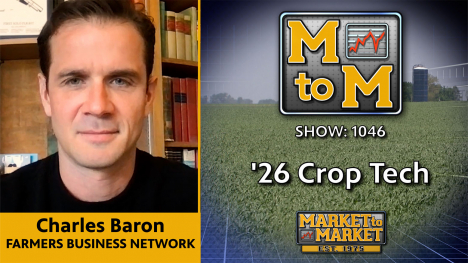
FBN's Charles Barron discusses how AI is transforming farm decision-making in 2026, from an AI advisor named for Norman Borlaug to price transparency that has saved farmers more than $500 million. Plus: tariffs, input costs, and why some farmers are still leaving serious money on the table.
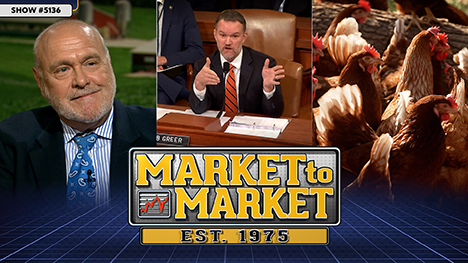
The head of U.S. trade is called to Capitol Hill to answer questions about tariffs along with producer and consumer prices. One egg producer is expanding his supply chain, one small farm at a time. And, commodity market analysis with Dan Hueber.
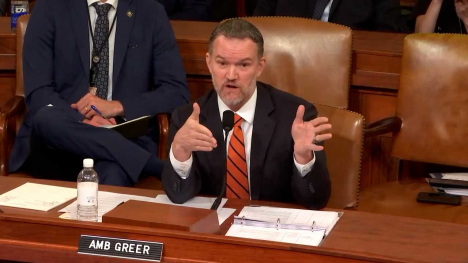
USTR Jamieson Greer appeared in front of the U.S. House Ways and Means Committee this week. Committee members focused their questions on President Trump's tariff policy.
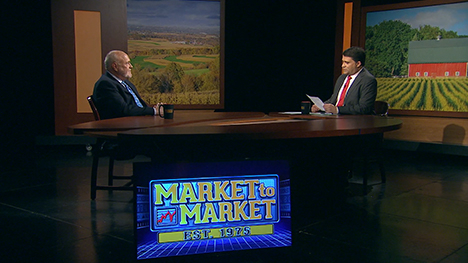
Dan Hueber talks higher markets, trust in numbers, the Iran War and weather.
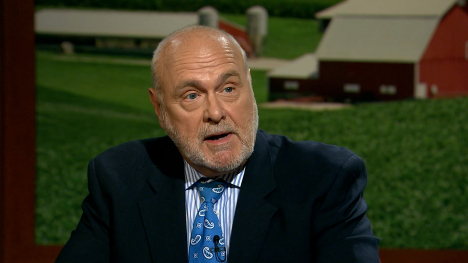
Dan Hueber talks corn, cattle and market rallies.
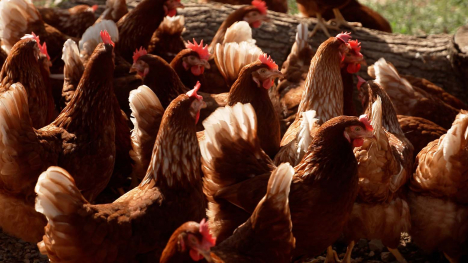
Vital Farms has found rapids growth in specialty eggs by working with hundreds of farms across the "Grazing Belt".