Arlan Suderman breaks down the impact of global weather on the wheat, corn and soybean markets in addition to inflation already showing up in commodities in our Market Analysis
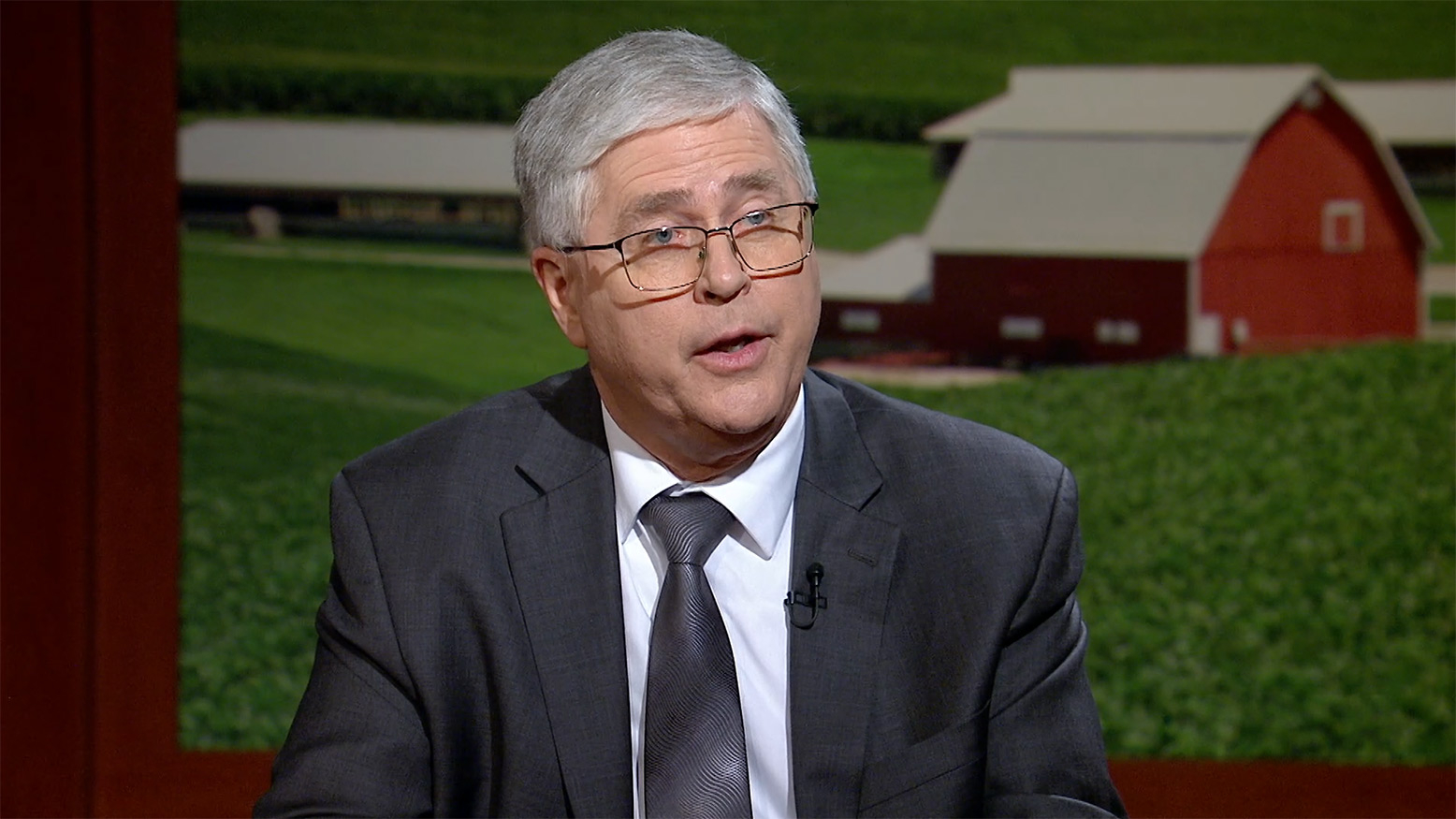


China, fertilizer, the funds, Feeders and inflation driving commodity prices upward. Arlan Suderman joins us for this discussion.
Transcript
[Yeager] Weather added and subtracted from wheat this week, pulling back on three-year highs on the Kansas City chart for the week ending May 1st. The nearby wheat contract gained $0.21 and the July corn contract improved $0.17. A breakout early Friday in the soy complex is. Bean oil led the way. The July soybean contract added a quarter. While July meal was up $0.20 on the week. July cotton increased $4.83 per hundredweight. May class three milk futures fell $0.48. The livestock market was mixed. June cattle gained eight. 12th August feeders expanded 1123 and the June lean hog contract weakened by $0.62. In the currency markets, the U.S. Dollar index fell by 34 ticks. June crude oil added 784 per barrel. Comex gold lost $107 per ounce. And the Goldman Sachs Commodity Index was up by more than 28 points to settle at 75915. Here now to lend us his insight on these and other trends is regular market analyst Arlan Suderman. Hello, sir.
[Arlan Suderman] Good to be back, Paul.
[Yeager] Let's talk about this week contract because it used to be for so long we just kind of pushed it to the side because it was lower, lower, lower. Then came 2026. Why are we higher?
[Suderman] Well, it's a combination of factors. Yes, we do have the drought in the plains and that's continuing to do some significant damage. But you put that into context. The U.S. Markets rarely like to trade U.S. Weather disasters, whatever. That's because the world wheat price is set in the Black Sea. We're the residual market for the world. And this year, hard red winter wheat is going to have over a half year supply left over at the end of the year. And so, we can afford to have short crops from time to time. But when you put it together with dryness in Europe, now you put it together with the fertilizer story, tightness in fertilizer. Wheat is a crop globally that has tight enough margins. It will see less fertilizers, therefore less production. You put into the fact that trade agreement with China here in a couple of weeks might have wheat in it, milling quality wheat, most likely. Suddenly it becomes a story. And oh yeah, add in inflation story when there's inflation to funds. Want to own the grain and oilseeds in the energy complex.
[Yeager] So has wheat had enough momentum then to pull other grains with it?
[Suderman] It has certainly been a factor. It's helped support corn, but soybeans have helped support corn as well. But wheat and corn tend to have a close relationship. We always think of soybeans and corn, but wheat and corn, probably a bigger relationship on a global basis, because they can substitute for one another so much in livestock feeding rations.
[Yeager] So, we go back to wheat for a minute and focus on that. So, we do talk about whether we, we, we had the it's going to be dry over the weekend. It rained late, not enough. So, it really does seem that we are focused much more. The U.S. Is in that window because spring planting is behind. If I'm a producer watching, am I picking up the phone come Monday? Are you, what are you hearing, I should say?
[Suderman] Yeah, I would say that on May the 12th, we're going to be seeing a crop report with the first winter wheat production estimates from USDA based on actual field surveys. That will tell us a lot whether we priced it in. Keep in mind that the markets usually trade the fundamentals before the fundamentals are really known, and they usually quit trading the fundamentals before the fundamentals are done playing out. So, they end sooner than what the farmer thinks that they should. They start sooner before we know what it is. And the end before that. But we'll find out. I think the fact that the fertilizer shortage is going to be a long-term story does help provide a floor underneath the market. Maybe not at these levels, but certainly above levels that we were before. You would expect. We've elevated the floor of the market. That doesn't mean we can't have gyrations, and that will probably be with us for a while.
[Yeager] Does the same apply to the corn market right now?
[Suderman] Yeah, it really does. Now we're looking at December corn playing with $5 to end the week. Does it go higher. We're at a key point right now from a weather standpoint. We're going to know over the next month how much of a threat we have from weather getting the crop in the ground, et cetera. If we play out with an El Nino summer, normally you would think, okay, it's done. You know, any best chances would be in May and then downhill from there into harvest. The fact that we had the fertilizer story adds a little bit more intrigue to that, to give some opportunities to create some rallies later in that if this thing continues to develop.
[Yeager] So that's the new crop side. I'm very curious on the old crop side, given there hasn't been the story to move it other than exports, is that the only story that's going to drive this old crop?
[Suderman] That's the primary story. That's the headline that drives it. Right. And I think it'll be critical to watch again to May 1415 visit of Trump to Beijing is corn and or ethanol in the trade agreement. I think there's a that's not a forecast, but I think there's a possibility it could because of some of the dynamics in China. China doesn't need to. Corn, but they have room for the corn. They don't have room for soybeans in their reserve. And so therefore, it could. And if that were to happen, let's, let's say 10 million metric tons of corn, that would certainly have a big impact on the balance sheet, particularly since this next year is expected to be a significantly smaller crop.
[Yeager] And that is something that I you don't hear much about that that's being talked about. So, all of a sudden, if that starts whispering around and getting to the dentist, we might have ourselves a problem.
[Suderman] Exactly. Right. So that trade agreement is the next pivotal thing. May 1415 so May 12th crop report for wheat. May 14-15 trade agreement with China. Assuming Trump goes that the war allows him to be away from Washington to go, I think that will tell us a lot. It'll be a very pivotal time for the rest of year for marketing.
[Yeager] You've mentioned this a little bit. I've kind of danced around it, but I want to ask this question. You can answer it in anything you want. Shane in Nebraska. Hello, Shane. He wanted to know farm costs, keep climbing equipment, labor parts, especially interest. Inflation is hitting every input we rely on. At what point do we start seeing inflationary pressure push into commodity prices and commodity prices, instead of just our expenses?
[Suderman] That's what we're seeing happen. When you look at inflation, our commodity tracker shows that the highest correlation between the CPI consumer price index and in commodities is a grain and oilseeds followed by energy. So, when inflation is believed to be a problem, which it currently is now expected to be pressing higher, and it is the funds want to own the food and energy sectors. And that's what they've been buying. We've seen a lot of money flow trade pushing prices up. That's what's brought us to this level. Have they already priced it in? Perhaps. So that doesn't mean that we can't go higher. If we get more headlines, more inflation risks, et cetera.. But we've put quite a bit of inflation play into these prices already.
[Yeager] Well, there was we talked about the Federal Reserve. They held interest rates, but there was one of the fed governors, I think, said this morning, we're not going to hold. There's a possibility we might actually raise interest rates, not lower them. What does that do to this discussion then?
[Suderman] You mentioned the four dissents the most since 1992. One of them wanted lower rates. Again, he's been arguing for that. Three of them wanted to remove the language, suggesting that the next move will be lower rates and that the market interpreted that as higher rates are a possibility. That's what I've been saying for the last six months. I think it's real possibility. And that was before the war started. Part of the reason being our national debt and how it continues to grow, and that is putting upward pressure on interest rates, that squeezing the credit markets. That's a factor. The amazing thing out of this is the economic data over the past week to ten days has been amazingly strong in the midst of this war and rising energy prices. It's and in consumer sentiment is low. But yet the consumer still spending money.
[Yeager] A lot of it at certain places.
[Suderman] Like for beef.
[Yeager] For beef. I mean, we'll get to that in a minute because there was a significant movement there this week. Let's talk soybeans, if we could for a moment. This was the oil is one thing. Meal has been another when it relates to livestock, but it had been dragging along. So, tell me, inflation or oil or is there some acre issue that we just don't know is out there?
[Suderman] Well, again, it comes back to what do we see in the May report? The May trade agreement. I should say, if the May trade agreement includes any old crop soybeans, then we suddenly have a concern. If it doesn't we don't have any concern with old crop. But the other question is will they renegotiate the 25 million metric tons? That's in the handshake agreement for next marketing year. In the two after that, we with this biofuel program, we won't have the 25 million metric tons short of an amazingly large crop. And so, the market would need to buy late acres. But if there's a lot of corn in there as well, corn will suddenly really need to. And that's why, if you've really been watching over the last couple of weeks, it's the new crop, November, soybeans, December corn that have had the action. That's where we've seen more energy of late starting to worry about the acres. Now, if neither is in the trade agreement, we've got enough to get us to the next harvest. And we've probably got enough for the next year as well. But the real concern is if we actually we're going to have to import probably about 1.6 billion gallons or so of pre already made fuel to hit the RVO requirement this year, according to our vegetable oil people. And if because we don't have the capacity to produce it here in the United States, if we had the capacity then in the crush capacity, then we'd be worried about enough soybean acres for next year. With this RVO.
[Yeager] And if inflation disappears, then that discussion changes dramatically, which I just wrote that down. We'll talk about that in. Plus, I need to get to livestock because live cattle, it looked like there was a point where we've seen this top. And then all of a sudden we've seen the. We thought we'd seen the top and then it pulls back and then all of a sudden came this week. What happened?
[Suderman] Yeah. Cash market took off. 255256 from a roughly 246. The previous week on a live basis. We had all four Packers bidding at the same time for cattle. That doesn't happen very often, particularly the week before the formula cattle were really going to increase in supply expected. So, a lot of demand coming in there in a cash market, helping support the board for much of April had been the board actually leading the cash. It flipped at the end of the month.
[Yeager] Which was very perplexing. Ross Baldwin talked about it here a couple weeks ago. That same thing, just different when the feeder market comes in, that had signaled also a topping mechanism. Was there some profit taking there? And then what's the next part? Is it the same reason for the rise here?
[Suderman] Yeah. And anytime you get at these high altitudes, people get nervous and you get the profit taking. Just any headline can do it. In this case, it was the fact that we were nearing the fourth week. Secretary Rollins had said, we're probably going to introduce a way to open up the border partially in 3 to 4 weeks. It was the fourth week she's appearing in Arizona at the border. That would be most likely to be the first to open. And so, there was a sell off, even though that was well priced in the market, the fear kind of led to the selloff in the correction. Oh, she canceled the meeting. Oh, it's probably going to stay closed. Let's put our positions back on.
[Yeager] And that's what we're dealing with. In addition to low supply issues in the in the hog market, there was as we're taping right now, there's news coming out of pseudo rabies in a couple of states. Did the market have that factored in to today's trade on Friday? I should say.
[Suderman] Was it was pricing it in? There's always concerns particularly you had that much money involved. The market starts worrying about consumer backlash, but there's no hazard to the consumer. The stories tend to come and go. It's a risk to the producer, not to the consumer. But I anticipate it's going to be managed and handled well. I think overall it'll end up being a non-market factor. But the unknown tends to make the funds nervous and the product market is still pretty flat. We have some cuts that are seeing some strength, others that are seeing weakness. Overall, the product market has been pretty flat. We're anticipating a drop in numbers, a seasonal drop in numbers and slaughter numbers. It just hasn't quite happen. We're not quite there yet, but I think the news is part of the factor of pressure in the market to close out the week.
[Yeager] And I'm pressured to say goodbye. We're out of time. Thanks, Arlan. Great to see you again.
[Suderman] You bet.
[Yeager] Arlan Suderman everybody. And you have been watching the analysis portion of our program. In a moment we will continue our discussion in an online only segment. Find it by searching Market Plus with Arlan Suderman wherever that you get your podcasts. You can also go to our website at markettomarket.org to listen. There's so many stories out there each and every week impacting rural America in a variety of ways. Now what we do is we compile much of that content into one easy to read location. It's an app called Flipboard. Follow the Market to Market reading material, or you can also click on the link on our website. It's that red and white F that you see there. Next week, a look at how one U.S. State grows 99% of the nation's hazelnuts, and they show it hasn't been easy. Thank you so much for watching. Have a great week.
Trading in futures and options involves substantial risk. No warranty is given or implied by Iowa PBS or the analysts who appear on Market to Market. Past performance is not necessarily indicative of future results.
Watch More
Brian Strasser is an Iowa farmer who figured out that the same months the farm goes quiet on cash flow are the same months travelers fill up a rental car app — so he built a fleet, and turned the seasonal gap into a financial advantage.
Weather is part of the discussion in the wheat, corn and soybean markets while our Market Analysis with Karen Braun also covers the cattle on feed report.
Wet and dry weather have different impacts on the commodities market. Our Market Plus is with Karen Braun.
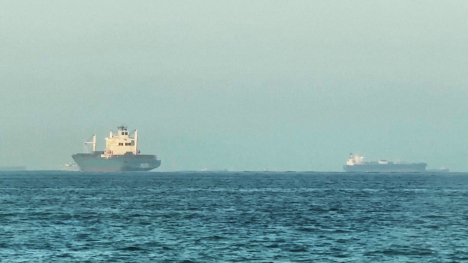
This week, the G7 summit in France became the stage for an official pause in the war between Iran and the United States.
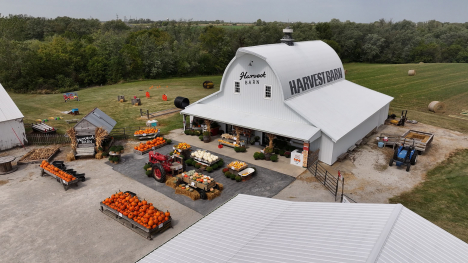
The Boyer family made Iowa their home in the 1990s, venturing away from family farming in Pennsylvania to pursue their own agricultural vision.
The G7 tone changes with a memo of understanding in the mix. Another weather system sweeps across the Corn Belt. One family’s love of farming has cultivated something bigger than the farm itself. And, commodity market analysis with Karen Braun.