As American soybeans came out of the field this week, farmers looked for clues as to what trade resolutions might come from the Trump White House.
Trade War Talk Escalates as Farmers Wait for Word on a Deal
Share


As American soybeans came out of the field this week, farmers looked for clues as to what trade resolutions might come from the Trump White House. Late last week, the administration hinted at a deal, or at the least, that aid might be coming to help offset losses from sales to China.
Transcript
As American soybeans came out of the field this week, farmers looked for clues as to what trade resolutions might come from the Trump White House. Late last week, the administration hinted at a deal, or at the least, that aid might be coming to help offset losses from sales to China.
This would be the second round of trade aid from a President Trump led USDA, which used the current government shutdown as a reason for why new assistance would be delayed.
Trump and China’s president Xi were slated to talk in person in less than a month but those talks are in jeopardy after Chinese officials outlined new restrictions on the export of rare earth elements late in the week. President Trump is looking for more gains on things outside of agriculture like intellectual property rights, stopping the flow of fentanyl and increasing access to critical minerals. China has urged the U.S. to remove what they call “unreasonable tariffs” in order for them to resume soybean trade.
Many farmers are still asking for trade and not aid.
Brian Warpup, Indiana farmer: "A trade deal with China would mean a lot. It really would. That's our number one customer. I mean our number customer won't do business with us right now. And we really need that to happen in the next year."
There was some movement in the trade battle between the U.S. and Brazil. Following a phone call where President Lula da Silva asked President Trump to remove a 40% tariff on Brazilian goods, U.S. Secretary of State Marco Rubio invited Brazilian Foreign Minister Mauro Vieira to an in-person meeting. No word on when that meeting will take place.
Canada’s Prime Minister Mark Carney came to Washington this week looking for relief from tariffs hitting steel, aluminum and energy products imposed by their biggest trading partner.
Canadian officials are looking for relief from specific import taxes but expectations are low.
Mark Carney, Canadian Prime Minister: “We are the second largest trading partner of the United States. We do a lot of trade going across the border. We're cooperating, first thing. Secondly, we are the largest foreign investor in the United States.”
Carney’s meeting with Trump comes in the runup to next year’s review of the United States Mexico Canada Trade Agreement.
For Market to Market, I’m David Miller.
contact: [email protected]
Watch More

Global supply disruptions keep fertilizer markets volatile heading into 2027.
Naomi Blohm and Ted Seifried question USDA’s corn yield surprise and weigh China’s soybean demand.
Higher USDA yields pressure grain. Plus, opportunities/costs of putting local food on school trays.
How grain prices rally this winter w/Naomi Blohm & Ted Seifried on USDA, China demand & S. America.
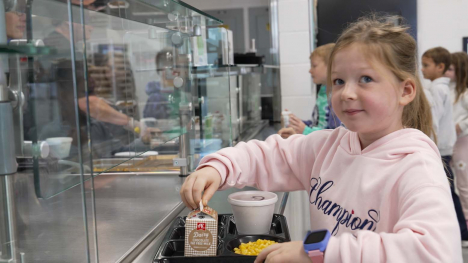
An Iowa school district connects local farms, food hubs and students through the lunch tray.

Farmers rarely seek mental health help. Farm Dog offers care from people who know farm life.