This week, EPA Administrator Michael Regan appeared before the House Agriculture Committee. The Agency’s process for regulating agricultural chemicals and the Waters of the United States were popular topics.


Congress failed to override a veto by President Biden on Waters of the U.S. this week. While the head of EPA monitors the back and forth over WOTUS, Michael Regan was summoned to Capitol Hill where he was peppered with questions about clean water, tailpipe emissions and air quality. Peter Tubbs reports.
Transcript
This week, EPA Administrator Michael Regan appeared before the House Agriculture Committee. The Agency’s process for regulating agricultural chemicals and the Waters of the United States were popular topics.
Rep. Rick Crawford R - Arkansas: “Particularly when we have a Supreme Court case pending. And the administration chose to move through and rush this cumbersome law and costly rule that will ultimately have to be changed. What do you what do you say to that?”
Administrator Michael Regan, U.S. Environmental Protection Agency: “Yeah, I say that the court's vacated the previous navigable waters rule of the previous administration, and it left a void that took us back to pre 2015. There was some litigation risk to the agency for not fully enforcing the Clean Water Act, so we began moving forward to put this rule into place. I will tell you that we will respect the ruling of the Supreme Court, but we won't be starting from scratch.”
Rep. Mark Alford R - Missouri: “The Biden administration has allocated tremendous resources allegedly out of a desire to support American agriculture. But EPA's approach to chlorpyrifos flies in the face of that. Is the White House aware of the economic harm caused by EPA's approach? And if so, what is the jurisdiction and how does EPA intend to make producers whole?”
Administrator Michael Regan, U.S. Environmental Protection Agency: “I think the frustrating part about this is the courts were fed up, that EPA had not moved in a specific way. And so the courts rendered a judgment that set a timeline very stringent and a bar very high that is atypical of any other pesticide that we have to have jurisdiction over. And so we made the decision that we made based on the science, but also based on our legal obligations of the requirement of the Ninth Circuit Court.
Rep. Angie Craig D - Minnesota: “Given the dialog today, the tailpipe emissions standards does the American biofuels market industry have a future in EPA policy?”
Administrator Michael Regan, U.S. Environmental Protection Agency: “It absolutely does. In 2022, I finalized the strongest RVO in in history and in 2023, 2024 and 2025, we're maintaining that trajectory.”
Rep. Angie Craig D - Minnesota: “Why does the EPA wait until the last minute every single summer to issue the waiver?”
Administrator Michael Regan, U.S. Environmental Protection Agency: “I think that it's not necessarily wait until the last minute, but I think if you look at prior administrations that have proactively issued those waivers or gone too quickly, the courts have struck them down. So we have some precedents that we have to watch out for. There are certain market conditions that must be present in order for EPA to utilize that waiver. And my staff has taken a constant look at when they become present we can take action.
For Market to Market, I’m Peter Tubbs.
Watch More

Global supply disruptions keep fertilizer markets volatile heading into 2027.
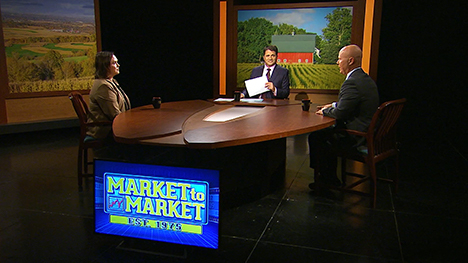
How grain prices rally this winter w/Naomi Blohm & Ted Seifried on USDA, China demand & S. America.

An Iowa school district connects local farms, food hubs and students through the lunch tray.
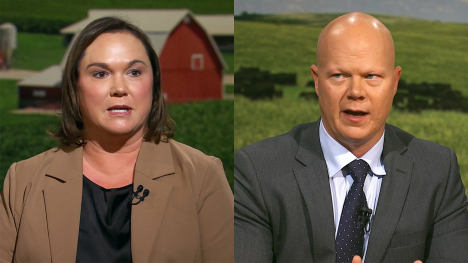
Naomi Blohm and Ted Seifried question USDA’s corn yield surprise and weigh China’s soybean demand.

Higher USDA yields pressure grain. Plus, opportunities/costs of putting local food on school trays.

Farmers rarely seek mental health help. Farm Dog offers care from people who know farm life.