A sweeping new tariff on Chinese goods is expected to raise consumer prices in the United States. President Trump placed an additional 10 percent tariff on Chinese imports the day after he paused threatened tariffs on Canada and Mexico for 30 days.


A sweeping new tariff on Chinese goods is expected to raise consumer prices in the United States.
President Trump placed an additional 10 percent tariff on Chinese imports the day after he paused threatened tariffs on Canada and Mexico for 30 days.
China quickly announced retaliatory tariffs on imports from America, with a 15 percent duty on coal and liquified natural gas, and a 10 percent tariff on crude oil, agricultural machinery and large-engine cars. Those tariffs took effect on Monday, February 3.
Transcript
A sweeping new tariff on Chinese goods is expected to raise consumer prices in the United States.
President Trump placed an additional 10 percent tariff on Chinese imports the day after he paused threatened tariffs on Canada and Mexico for 30 days.
China quickly announced retaliatory tariffs on imports from America, with a 15 percent duty on coal and liquified natural gas, and a 10 percent tariff on crude oil, agricultural machinery and large-engine cars. Those tariffs took effect on Monday, February 3.
Gary Ng, Senior Economist, Natixis Corporate and Investment Banking: “China is trying to project itself not only as one of the biggest market in the world, but also from the supply chain perspective, it is one of the biggest manufacturers in many products, especially in the upstream. So I think the combination of using the selected tariff, export control and the restriction on market access to certain US firms basically reflect that China is trying to increase its bargaining chips and show the US it's capability in terms of the negotiation process.”
The Trump administration and China exchanged multiple rounds of tariffs during a 2018 tariff war. Soybean producers took a large financial hit before negotiations restored those markets, and those producers received federal payments to help make them whole. The new tariffs currently do not cover agricultural commodities from the United States.
President Trump quickly reversed tariff threats towards Canada and Mexico on Monday when the two countries agreed to increase security measures along their respective borders. The 30-day pause on new import duties will allow all sides to negotiate new terms, as well as giving businesses in all three countries a chance to stockpile parts and materials before the deadline.
The United States - Mexico - Canada Trade Agreement, the current treaty governing North American trade that was negotiated by the Trump administration and signed into law in 2019, is up for negotiation in 2026. Some critics see President Trump’s current tariff move as the start of those negotiations.
If tariffs are placed on Canadian imports, it could become a pinch point for agriculture due to the potential for higher prices being placed on fertilizer. The United States imports over 85 percent of its potash supply from Canada.
The cost of any tariffed products imported from other countries is paid by American importers and consumers.
For Market to Market, I’m Peter Tubbs.
Watch More

The Farm Bill clears the House with an unknown future. The Supreme Court takes up the issue of cancer warnings for RoundUp. Extremes in weather from tornadoes to rain to wildfires hit across the country. And, commodity market analysis with Arlan Suderman.
Cotton, Hormuz Straight, inflation, energies, the Mexican border closure, drought and the Fed's balance sheet are all topics covered in our Market Plus.
Arlan Suderman breaks down the impact of global weather on the wheat, corn and soybean markets in addition to inflation already showing up in commodities in our Market Analysis

After three years of delays, the U.S. House passed a new version of the Farm Bill. The bill now goes to the U.S. Senate.
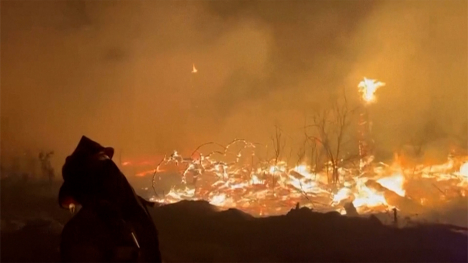
A week of fires, floods and severe weather covered much of the country.
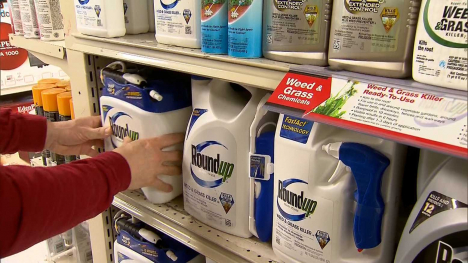
Attorneys gave oral arguments were given in front of the U.S. Supreme Court this week over whether or not labels on the controversial herbicide Roundup needed to be specific about being a potential cancer risk.