Rain distribution affects beans and uncertain times make end users reluctant to stick necks out.
Prospects for exporting ethanol, the demand side of the market and Arlan Suderman and Mike Castle
Share


Export demand is rising as major population centers move to ethanol. As we deal with energy shocks domestically, so does global. And, once we get through harvest, the focus will shift to the demand side. Watch al this and more in our Market Plus with Arlan Suderman and Mike Castle.
Transcript
[Paul Yeager] Welcome back to the table for the. Friday, September 25th, 2026 installment of Market Plus. Joining us now. Arlan Suderman. And wait, what's that say? Mike Castle Arlen, who did you bring with you? Somebody at the table with us.
[Arlan Suderman] My senior economist. Commodity economist, Mike Castle. He'll be replacing me when I retire here in a couple of months.
[Paul Yeager] Whoa whoa whoa. Replacing retirement. Who said that you could do that?
[Arlan Suderman] Well, I got permission slip from my wife, so I'm going.
[Paul Yeager] To you. We've asked you in the past about your career, and I mentioned during the show an agronomist. You were an agronomist first. You've done a whole bunch of jobs. What are you going to miss about studying the commodities?
[Arlan Suderman] Really? The people. It's people who worked with. That's what I'm going to miss the most. My team. But. But I've really enjoyed the fact that I could have a job where I could help farmers, help people in the industry. That's been my goal since I didn't have the opportunity to farm. I grew up on a farm, didn't have an opportunity to go back to do something that would help the people in that industry. And I started off, in extension, as an agronomist, and identifying what problems are they facing in that area, coming up with solutions, doing field trials that show them how it would work. And but they kept asking me about the market. So that's where I took my career as that direction. And that's what I've enjoyed.
[Paul Yeager] Mike, your background's more on the co-op side. Nebraska, Missouri now Kansas City area. And then I think you've lived, I think Utah.
[Mike Castle]Yeah.
[Paul Yeager] But the co-op side. What intrigued you about that?
[Mike Castle] So I kind of came into school, you know, at least going to UNL looking for some kind of way to apply kind of math and analytical skills. I really didn't know what happened after grain went to the elevator, so took a class, ended up kind of sparked my interest. I interned at an elevator to begin with in Indiana, you know, kind of got moved all over the place, running elevators, and then worked as a cross country trader. But, you know, kind of similar background to Arlen come from the farm, but not an opportunity to move back and farm full time, you know, just the generational split. So wanted to stay in ag. A lot of that really is just a reflection of the people, right? It's I started as an engineering major and ag was a much better fit. The Aggie Con department. So, you know, kind of just the perfect opportunity to tie in that, you know, kind of two sides of the equation, the analytical skills and that kind of interest with kind of the more practical insights that can help out the ag industry.
[Paul Yeager] Well, I asked Arlen this question already. What did you take? Did the market. He said the word, the expectation word. That's probably what it should have said in the question for him. What do you think the market was expecting from the conversations between Xi and Trump?
[Mike Castle] I think given how big the, you know, kind of fanfare and production was, the expectation was to see some kind of concrete announcement of any form as it relates to ag commodity purchases. That's at least the hope, obviously, with how much speculative length is already built in coming into this. Not seeing anything is just kind of a bit of a letdown, so to speak. That doesn't mean that we're actually done, because it is more common to see the actual details released in these readouts more quietly after the fact. Typically over a weekend when the markets closed. So I do think there's still a chance to see that happen as we move forward into next week. We did get a comment today about maybe some details coming Monday too. So I do think there's more to, you know, kind of look for at this point. I think the immediate sell off and then rally through the day kind of reflects that too.
[Paul Yeager] Well, let's not take it easy on him. Let's give him a question right off the bat, shall we? Let's do that. Gary in Wisconsin for you, Mike. If the funds start getting out of their record long positions, could we see sub $5 corn without some bullish news soon?
[Mike Castle] You certainly could. I mean, obviously there's still plenty of factors out there that are very supportive. But given the fact that you've seen a push to record longs, there is the downside risk and particularly the headline risk of seeing things turn the opposite direction. Right. If you saw a deterioration in relations between the US and China, if you saw more meaningful progress towards getting commodity movement through the Black Sea. That's not just a wheat story. It's a corn story. It's an edible oil story. So there are the factors to kind of scare the funds out, so to speak, that could drive prices lower. But I think once we get through harvest, which obviously is easier said than done, as we've seen in the last month, the focus is going to shift more to the demand side of the equation. And I think that's very constructive moving forward. In ‘26 - ‘27.
[Paul Yeager] I had a demand note about that. But Arlen, I want to ask you something. I know we talk about delays in planting. We don't always get into delays of harvest, but this is shaping up to have a delay. How long can it rain? You mentioned early October. Maybe things change. Play it out with me. Let's say it doesn't clear up in early October and it's all of a sudden a double digit day before we see the harvest machines rolling. Is that a factor?
[Arlan Suderman] Yeah, that's a problem. If October stays wet, it's a problem for the crushers to get enough soybeans to crush, to provide the meal that we need, which is why we saw meal finish so well this week. To get the oil we need for the biofuel production to get the corn we need for the ethanol production, to get the corn to ship for the export market. We're tighter on beans than we are right now on corn. A little more old crop corn still out there. But still, we need that to happen. We need October to dry up. If October dries up, we're fine. But that's the, if that people want to see happen.
[Paul Yeager] If “ifs”. A lot of “ifs” been a lot in your career and any of your careers. All right, Ken in Michigan for you here, Arlan, is the 25 million metric ton commitment that President Trump says he has from China, already priced in.
[Arlan Suderman] I'm going to say no, believe it or not, I don't believe it is because we haven't rationed demand sufficiently. If this crop is a 53 bushel crop per acre crop, as USDA currently says it is now, it may end up being higher than that, but if it's at 53 bushels, then we need to ration about 3 to 400 million bushels of non-china business to go to Brazil. If we're going to keep the current biofuel program that we have, and we haven't taken prices high enough to do that, versus the prices in Brazil, maybe that means Brazil prices go lower, weaker basis. And we this last week, we did see more weakening of basis in Brazil, but we haven't yet sent enough non-china business down there.
[Paul Yeager] All right. Let's stick on soybeans just a little bit there and continue on with Gail in Iowa. Question for you here, Mike, is is the soybean price being driven up by the lack of soybeans available for the meal market?
[Mike Castle] That's absolutely a factor. And specifically in the cash markets, there is a huge amount of strength, particularly on the basis side of the equation because of these harvest delays. And I think that kind of speaks to a bigger picture moving forward is the reality is we've seen a very rapid expansion in domestic crush. And that means we have more consistent soybean demand throughout the year, certainly much more than we used to, where you're kind of more reliant on exports, moving a lot more out during the fall or winter before Brazilian harvest. Now you have a lot more steady demand through the year. Eventually, the market's going to have to pay commercial space to carry soybeans into August and September. And as someone who started their career at the elevator level, I can tell you, no superintendent is going to want to hear that. But that is going to be our reality moving forward.
[Paul Yeager] Look at that. He's making enemies already. Harlan. My gosh, he's picking right up.
[Arlan Suderman] I trained him well.
[Paul Yeager] You did, but okay, let's say you go back to put your elevator hat back on right now. Are you going to have more space for corn or for beans? Or if you're in an area that has wheat, I mean, what are you going to have more room for? What's better for you? As the elevator?
[Mike Castle] It certainly depends where you're at regionally. Obviously, a lot of the places that are getting these new plants or expanding plants, it's a very different dynamic than what they've traditionally seen. So typically you want to move out soybeans as quickly as you can. Just from a handling perspective, right? You don't want soybeans to go bad. I've had to experience that. It's not very much fun. So I certainly understand it. But that, you know, again, speaks to the reality that these plants are going to need more soybeans than they ever have at these kind of late summer windows. And it's obviously difficult when you have the inverse in the futures market after the July. Right. Nobody wants to carry pass to that. So you're going to have to see do these crushers learn their lesson from this year where they're having to pay at times triple digits over to secure or just find beans at this point, or are they going to be more willing to book stuff in advance, maybe pay a little bit more cash carry than they historically would be willing to in order to prevent themselves from being in this situation. Again.
[Paul Yeager] Arlen can produce, I mean, have producers learn. I mean, when have they learned their lesson? Or I mean, he's talking about if they could learn a lesson, but have they had to adjust in real time? Or is this more of a stubbornness from the end user not wanting to stick their neck out so much in unstable times?
[Arlan Suderman] Well, I think it's some of both, but I think end users certainly are reluctant to stick their neck out too much in, in these in these uncertain times. There's so many uncertainties out there now. And so they're reluctant to do that. And the market hasn't incentivized them to do that. But they certainly ran into a problem this year when those supplies didn't come as fast as they normally would have. We also live in a world of just in time supplies, and that's what caught us this year. And what Mike's saying. We can no longer afford to be in that situation. With the domestic demand as strong as it is.
[Paul Yeager] You know, 2020 was not that long ago when we thought we broke that just in time mentality. But here we are back at it again.
[Arlan Suderman] We tend to operate based on what happened last year.
[Paul Yeager] Yeah. All right. Well, let's close with this. If we could. Let's go. We we handle the diesel. Let's go. Stephen Wisconsin to close things out for Mike. And Steve's question is how high can corn go before it's not profitable for ethanol production?
[Mike Castle] That's a great point. I think another part of that is you kind of have to factor in the fact that we're still seeing this energy shock, not just in the US, but globally. And even though from a policy perspective, it's very difficult to increase our own blending rates, that is not the case elsewhere in the world. So there is significant demand and very rapidly growing demand for ethanol, because a lot of these very import reliant nations are having to pay so much for their traditional energy sources or not able to source them, they're incentivized to ramp up their biofuel inclusion. So even if it's not an uptick in the domestic side, the export demand is rising. Obviously, that's not something I see changing because there are major population centers moving to heavier ethanol inclusions. India is a good example. Brazil is the one we talk about because they are kind of our main export competitor, right? They're having to keep more corn at home. That makes us more competitive. So it kind of is a function of do you see the energy market rally with it? Because then obviously it's a higher answer.
[Paul Yeager] All right Mike, good job.
[Mike Castle] Thank you.
[Paul Yeager] Thank you Arlen.
[Arlan Suderman] Thank you. Thank you Paul.
[Paul Yeager] Great to have you here. Over all these years. I think goes back to Husker harvest days in the early 2000 when you first made an appearance. And then we had to do a little bit of a break, but got you back here pre Covid. So it's been fantastic. Best of luck to you on what's next.
[Arlan Suderman] Thank you.
[Paul Yeager] Arlan Suderman everybody. Mike Castle. And that's it for our Market Plus. Next week we are going to talk about Midwest cities and how they grow, but they are leaving some rural areas behind. And we'll have commodity market analysis with Sue Martin. Thanks for joining us. Have a great week.
Trading in futures and options involves substantial risk. No warranty is given or implied by Iowa PBS or the analysts who appear on Market to Market. Past performance is not necessarily indicative of future results.
Watch More
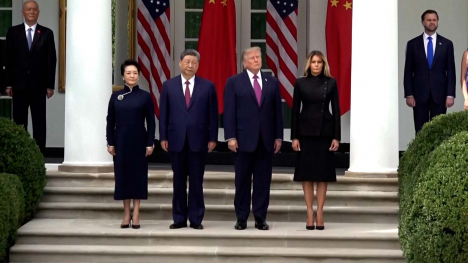
President Trump hosted President XI in Washington, DC., but the news for agriculture was only a 60-day extension of the tariff rollback.
China trade talks, harvest delays, corn demand and Wisconsin dairies plan for the next generation.
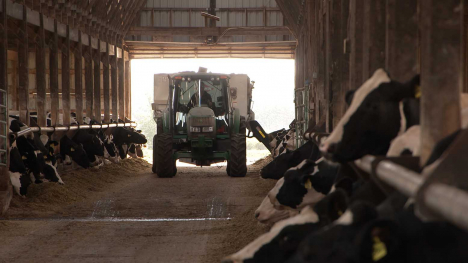
Passing a dairy farm on to the next generation can be hard, but two operations in Wisconsin are making it work for each of their own styles.
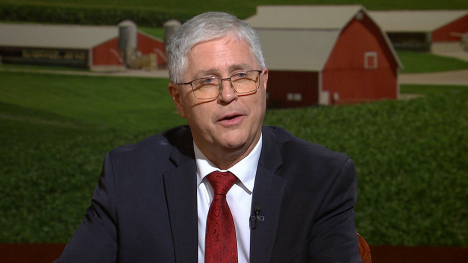
The week brings no news from China. Wheat continues to struggle because of the Black Sea. Rainfall distribution hammers beans. All this and more in our Market Analysis with Arlan Suderman.
The recent return to higher commodity prices has helped keep the farmland and cash rent market strong.
Karen Braun examines soybean trade stakes, harvest pressure and tight cattle supplies.