The wheat, corn and soybean market struggle while cattle and feeders find footing. Here's our Market Analysis with Mark Gold.
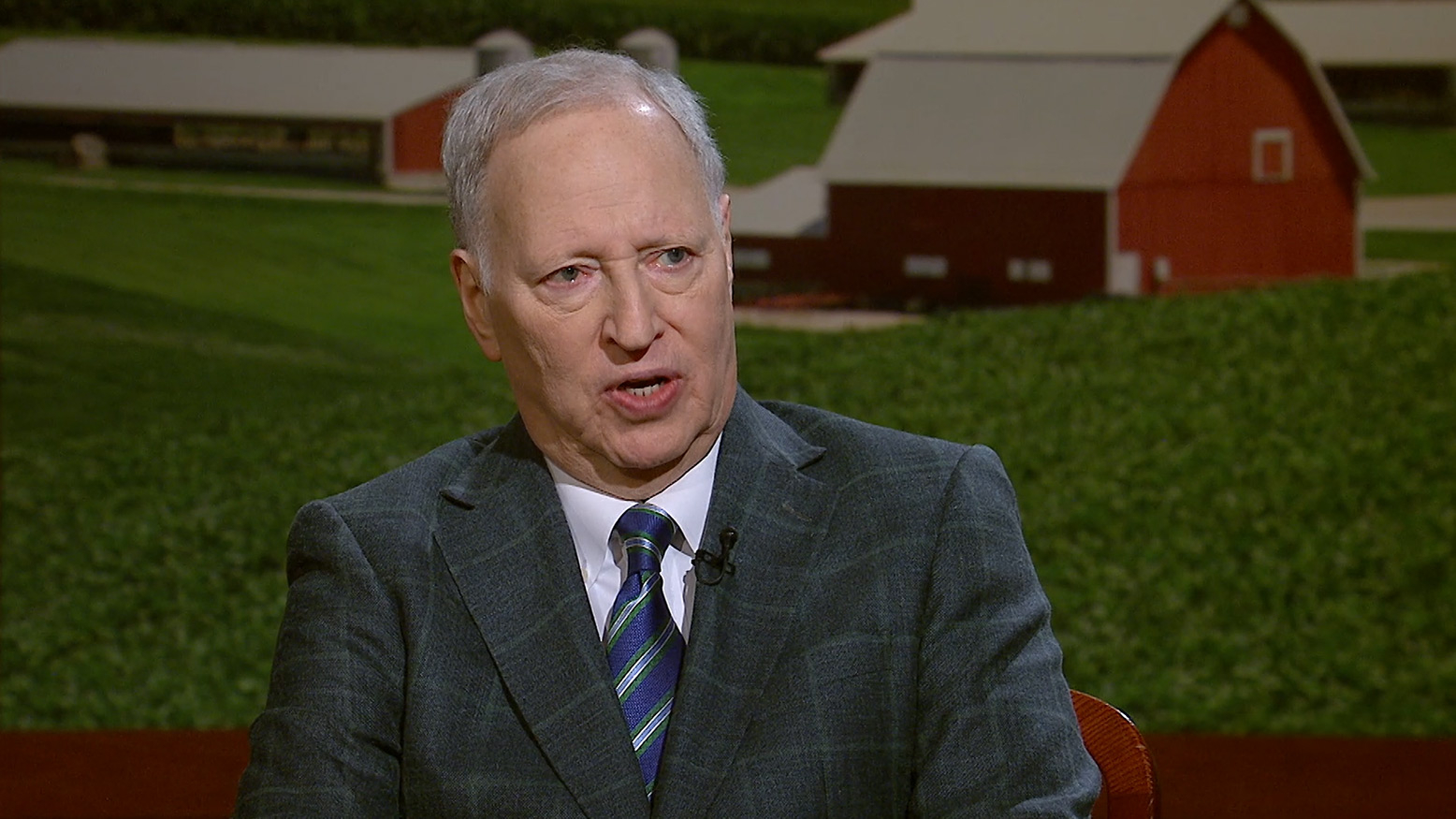


The sell-off keeps happening in wheat, corn and soybeans. Mark Gold also discusses the weather challenges emerging, just not yet in our Market Analysis.
Transcript
[YEAGER] Winter wheat harvest hit full stride working around severe weather systems as grains kept dealing with selling pressures and multi-month lows for the week ending July or June 12th. That is the nearby wheat contract added a nickel and the July corn contract lost a nickel. Weather is now swinging to the less favorable side of the soy complex. The July soybean contract declined $0.08, while July meal weakened by 720 per ton. July cotton fell by $0.58 per hundredweight. June class three milk futures shed $0.12. The livestock market was mixed. August cattle cut $0.47. August feeders put on 353 and the July Lean hog contract sold off $1.35. In the currency markets, U.S. Dollar Index weakened 35 ticks. July crude oil fell 515 per barrel. Comex gold was lower by one. 26.50 per ounce, and the Goldman Sachs Commodity Index was off by almost 19 points to settle at 680 30. Here now to lend us his insight on these and other trends, is regular market analyst Mark Gold. Hello, sir.
[MARK GOLD] How are you? Nice to be back. Thank you.
[YEAGER] Two weeks in a row. I have to apologize right off the top, because there's not a lot of green to speak of. There's not a lot of positive news, but I want to start with wheat. What's the difference between pre report mark and post report Mark? Because reading your commentary this week, dramatically different things happen. What happened.
[GOLD] Well I think first of all we've got the crop progress reports. When you look at Nebraska and Kansas, Nebraska just by itself poured a very poor is 82%. Now we only raise about a million acres of winter wheat in Nebraska. But that's a big chunk. It is. And in Kansas, the ratings are not as bad, but they're bad. Oklahoma is bad. I just don't think the crop is nearly as out there as much as the market seems to think it is. But then there's the demand issue. We don't have any demand for it, but I think that can change here. You know, the world's in a precarious place with this fertilizer problem. And, you know, if we carry this thing too far, we're going to have some major problems around the world. And that's going to lead to food shortages. So, I don't want to be bearish down here.
[YEAGER] But you also have to be realistic on some things. So, what is a producer to do right now?
[GOLD] Well, in the wheat market. Yeah. Well, you know we've been fairly aggressive. We've got 40% of our 2006 corn, wheat and beans sold already. And we're pretty comfortable with that position. We've got puts on for what we haven't sold. As usual. We did buy some call options back a month ago when things looked a lot better, but all right, they're going to lose 10 or $0.20 on a call. But look at what they've picked up on the cash side. And look what they picked up on the options. So, they're in really pretty good shape. So, you know what's the guy going to do now. I don't think this is the right time to sell it. We've already broken hard. We've got the whole summer ahead of us. These traders are trading this market like this. Crops are made. And I would argue they're a long way from being made out here. But we had to liquidate the funds. That was the one thing. You know, a month or two ago I kept saying these funds are too long, 340 corn, 200 and some odd beans. They were just long. Too much stuff. I haven't seen the Friday commitment of traders reports, but I think they're now out of the corn. I think they're maybe along a little bit of beans. There's still long a fair amount of oil. Still a little too much meal that's been coming down too. I don't know when it's going to end, but if the weather doesn't change in a hurry, they'll probably liquidate some more.
[YEAGER] We're going to get to weather in a moment, but I want to talk about old crop corn, and that's a question that we received from you at home. And it's Nathan in Illinois who wants to know what should a farmer with old crop corn do? Could we see a bounce and what area should we dump the gambling bushels that we normally have, say, in June and July?
[GOLD] Are they gambling bushels, like 3 or 4%, or are they gambling bushels of zeros.
[YEAGER] Yeah. Yeah. 30 and 40, not three and four.
[GOLD] You know it's a tough situation to be in now. Can we get a rally? Sure. We turn this thing hot and dry, which we can certainly do after the Fourth of July. We've got a market. You know, we don't make a corn crop or a bean crop in May and June. We make it in July and August. And if we turn the heat up during germination on corn, we're in problems. And we know that the lack of acres will get the acreage. In the beans. But I don't think it's going to be a huge amount. They've already cut it pretty well. So, would I try to hold on at this point? I would, you know, on old crop you're at $4 and change corn. What I would blow it out down here if I did. I needed the money. I'd certainly buy a call option back.
[YEAGER] The old crop situation is interesting because there was a point about six weeks ago where it seemed like it was a good time to sell around Mother's Day, and we haven't gone. So, if you've held on, you're saying, hold on a little bit more, but I want to talk about another thing here with the market. And we were not that far away from a 30-month high over $5. And now we're the lowest price in two years on this new crop situation. Looking at the weather, looking at the demand side of the equation. Give me some hope tonight, Mark.
[GOLD] Well, that's a little tough, but I'll try. You know, I kind of thought, you know, a lot of guys have heard me talk about 1983 when we turned off the rain on May. On June 1st. Didn't rain all month, but we still made new lows by the. The first pick report, the first acreage report on June 30th. And then we turned hot and dry the first week of July and we took off from there. We rallied the beans $3, the corn, I think a buck and a half. And that is certainly possible out here. They say it's not possible with this extreme El Nino that we're seeing. It's going to stay wet. Well, if they're right and it does stay wet, you know, we're not going to produce a great crop. You need sunshine and too much water is not good. Beans don't like wet feet. And from what I'm hearing, we're starting to see some yellowing with all the rain out there. So, you know, June can be a tough month for the grains. But I think once we turn the corner and get into the new quarter in July 1st, I think things can change in a hurry, as they usually do, and we can be right back up again.
[YEAGER] So hands in the pockets right now on new crop corn.
[GOLD] Yeah. I, you know, you're at 440 roughly. Are you going to go to $4 between now and July 1st? No, I don't believe that's going to happen. The funds are out. So that's taken a big Damocles sword away from this market. And you know what's going to happen in Iran as of this moment. And we've heard this moment 40 other times, it looks like we've got a deal. I don't know if we do or we don't. If we do, I hope it's a good deal. If we do, that seems to favor the market, but crude oil has been the real driver out here.
[YEAGER] So yeah. Well, beans you kind of talked about weather. Let's talk old crop real quick again. Same situation. Are we holding or we've missed our opportunity to sell?
[GOLD] Well, you know, that's why we'd like to have most everything sold on old crop and we're long out of it in the last two months I think. And we only had just a little bit left at this point, you know, what do you do? AM I going to tell some guy to sell these kind of lows? Now you might have to suffer for the next two weeks, but you've suffered enough. A little more is probably than not going to kill you.
[YEAGER] And you talked about the wet feet for the beans. At what point does that start to show up in the market? Because that's a much more realistic thing than a wet cornfield.
[GOLD] Yeah. I don't think it'll show up until we start seeing some crop progress numbers in July. That'll show the crops not, you know, 65% good to excellent. It's 45. Good to excellent. And there's some poor and very poor numbers coming in. But you know, we seem to put heat on it at the right time. We always have. I don't know that we've ever really had a major problem because of wet feet. That means don't like it. But put 85, 90-degree heat on there with some sunshine takes care of itself.
[YEAGER] But it slows the progress of the crop. And what's been different the last couple of years is we've advanced. We've either had it in early, we've had good conditions, and then it shuts off the tap and that changes the situation. All right. Livestock for a minute. Okay. Live cattle. You saw the story about the worm. You've got Canada saying we don't want Texas animals. You still have the border closed with Mexico. You also then hear these stories about packers going. There's just not enough inventory to keep us going. What's the biggest headline of those in your eyes?
[GOLD] First of all, I don't trust the Packers, so I'll put that one aside. Certainly, the border is the issue and the cattle. But I heard a story just two days ago that ivermectin, the same drug that they were using to cure Covid. In some people, though, it wasn't recommended by the medical profession. That seems to be helping quite a bit. So how much farther is this going to go? I hope not very far. It certainly doesn't seem to be impacting the price of boxed beef out there. You're at 394 today. You know we're not what, $15 maybe off the highs that it's ever been. So, the consumer demand is incredibly strong. So, the consumer doesn't seem to be too concerned about it. But I think the bigger story is what happened on the last Cattle on Feed report, showing finally that shift to more cattle. And I've been telling guys, I don't know what's going to happen between now and the next six months, but I think when you're at these kind of record high prices in the feeder cattle and you've got strong beef prices out there, you need to be looking at buying some puts to protect the downside, because long term it could be a problem.
[YEAGER] So the feeder market quickly has turned. But we've said that a lot. And that's part of the story. You think right now is what you're saying with the last report.
[GOLD] Yeah I think that's been the driver kind of nobody really wants to talk about it. I haven't heard anybody really saying anything about it. But you know, the cattle run in cycles. And, you know, once we start shifting it kind of tends to run on itself.
[YEAGER] And we've had a little bit of non-seasonal activity in the hog market now too. This hasn't been performing very well either.
[GOLD] You know, we had some strong prices three, four months ago in the summer month hogs now that we're in the summer month hogs, they've broken quite a bit. It doesn't look great. But you know, people are looking for an alternative to cattle for whatever reason. They're going to go to pork. They're going to go to chicken. And, you know, I don't think it's as bad, but the charts certainly don't look good on the hog market, in my opinion.
[YEAGER] All right, Mark, I appreciate your time here on the television show. You're going to have to stick around for Market Plus. We're going to put you in the hot seat on one particular item involving you.
[GOLD] Okay.
[YEAGER] Are you ready for that?
[GOLD] I'm ready for it.
[YEAGER] That's a tease. How about that? Thank you, Mark Gold. You've been watching the analysis portion of our program. In a moment, we're going to continue our discussion in this online only segment. Find it by searching Market Plus with Mark Gold. Wherever you get your podcasts, you can also go to our website of Markettomarket.org to listen. I really want you to do that this week, the Market Insider Newsletter is back in your inboxes each Monday morning with news on this program. And we also go behind the scenes details that we want to share with you. Sign up for free at Market to Market .org next week. One family's love of farming has cultivated something bigger than the farm itself. Thank you so much for watching. Have a great week.
Trading in futures and options involves substantial risk. No warranty is given or implied by Iowa PBS or the analysts who appear on Market to Market. Past performance is not necessarily indicative of future results.
Watch More

New tariffs heighten U.S.-Canada trade tensions, USDA backs $10 billion in emergency farm aid, and cattle producers confront continuing market pressures.
Despite historic cattle prices, many producers still aren't expanding their herds. White Oak Pastures owner Will Harris explains why.
Weather concerns, global conflict and renewed Chinese buying are supporting grain prices. Don Roose discusses whether corn could continue climbing and how producers should approach the market.
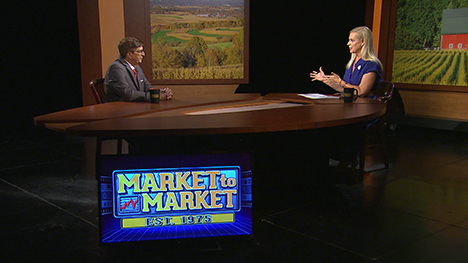
Weather concerns and global conflict are adding risk to corn and soybean markets. Don Roose discusses whether seasonal lows are in and how producers can protect prices without giving up potential gains.
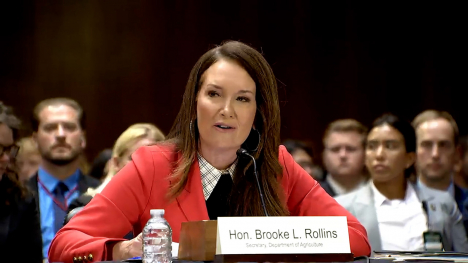
USDA Secretary Brooke Rollins supports $10 billion in direct aid for farmers facing high input costs and losses during the 2026 growing season.
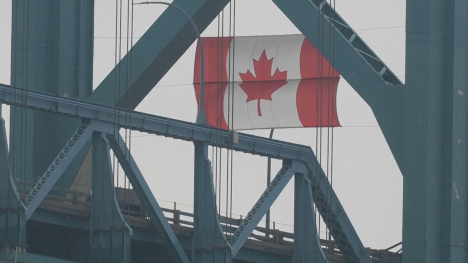
President Trump announced new 50 percent tariffs on many Canadian imports, heightening trade tensions with America’s second-largest agricultural export market.