Corn, soybeans and wheat are oversold like never before, says Ted Seifried in our Market Analysis.
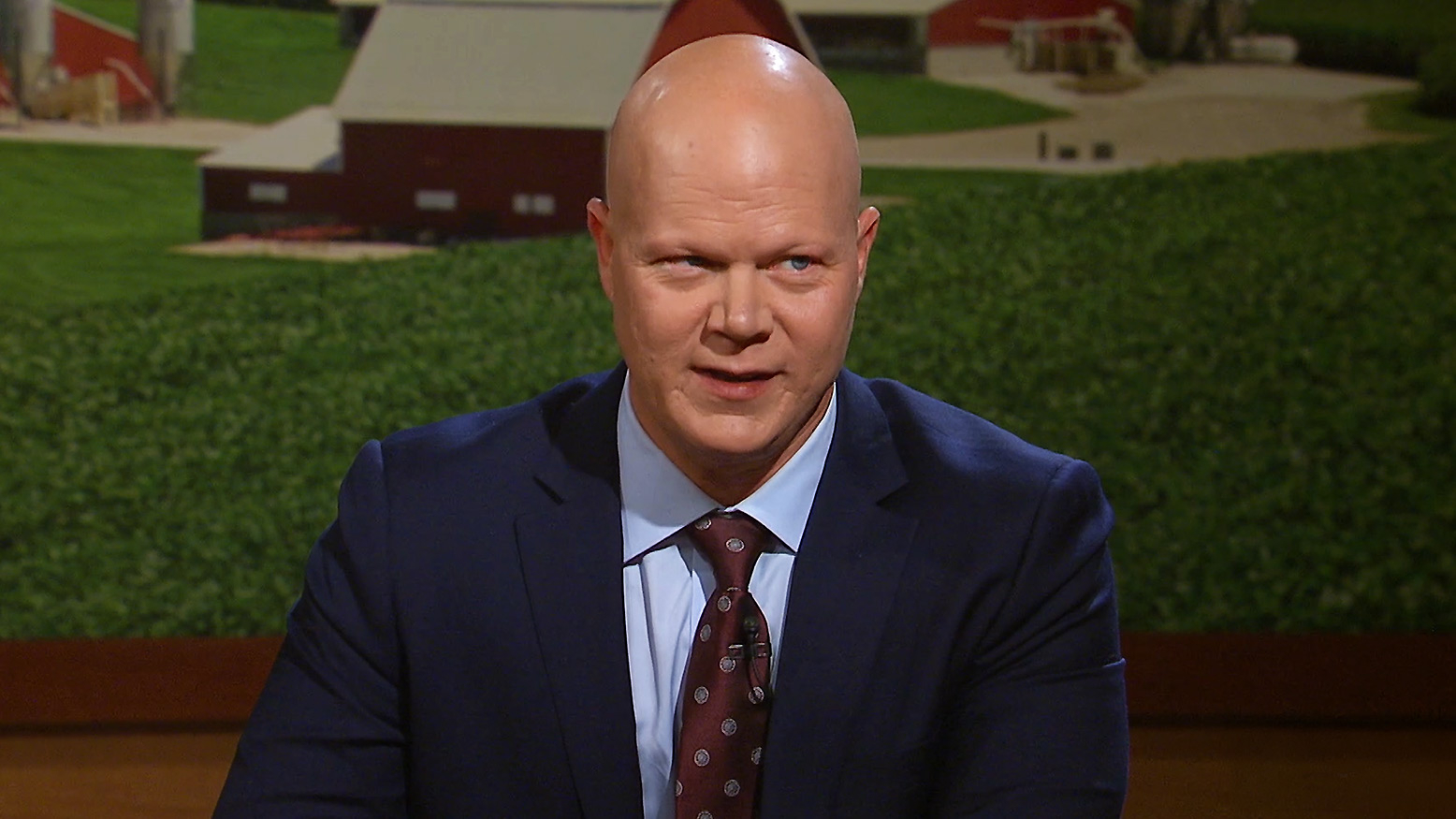
Oversold Grains, USDA Yields and Falling Livestock Prices
Share


Peace prospects pulled the conflict premium from crude oil and wheat, and Ted Seifried says corn, soybeans and wheat are more oversold than he can remember. He expects USDA to trim corn yield, raise soybeans toward a record, warns beans must hold trendline support, and explains why cash cattle, feeders and hogs keep sliding. Ted Seifried has our Market Analysis.
Transcript
[YEAGER] The grains struggled to overcome Black Sea talks and favorable South American growing conditions for the trading week ending November 6th. The nearby wheat contract fell $0.12 and the December corn contract lost $0.06. Exports were strong in the soy complex, but China's buying appeared to be in Brazil. The January soybean contract tumbled $0.41 and December meal declined by 540 per ton. December cotton added $1.28 per hundredweight. December class three milk futures were up a nickel. The livestock complex was lower. December cattle weakened by six 90th January feeders cut 1340 and the December lean hog contract sold off another $5.35. In the currency markets, U.S. Dollar index improved by 30 ticks. December crude oil dropped 13.92 per barrel. Comex gold gained 192. 30 per ounce and the Goldman Sachs Commodity Index shrank by almost 50 points to settle at 6.9985. Here now to lend us his insight on these and other trends as regular market analyst. Ted Seifried. Hello, sir.
[TED SEIFRIED] Hi, Paul. How are you doing?
[YEAGER] I'm all well. I'm very well.
[SEIFRIED] Good.
[YEAGER] The markets though, it's a different story this week. It has been a lot of low, low, low and lower. Let's start with wheat for a minute. Yep. Prior to Tuesday's election, there was already discussions of some type of peace and that kind of hung around the market the rest of the week. Prospects of peace. Look what and what has that done to the market?
[SEIFRIED] Yeah. I mean, look the prospects of peace have been very on and off again. Right. And so, when we have prospects of peace, something happens and we throw it out the window. But with the election now, I think that makes it more difficult to wage war. That's at least the market's feeling. And that maybe prospects for peace might be stronger at this point. So, you saw it in crude oil. You just mentioned how much crude oil lost this week. That is your canary in the coal mine for that conflict, trade or conflict premium that happens in some markets. It's one of those markets. And when you see that conflict premium coming out of crude oil as much as it did, you have to expect that it's going to happen in wheat as well.
[YEAGER] And that's what it did Wednesday, Thursday. And then all of a sudden we've kind of rebounded a little bit. So, is there a specific reason why crude oil rallied? And then again, what impact that would have on wheat and maybe corn.
[SEIFRIED] Well, so crude oil, I think, had just gotten pretty oversold in a short period of time. And in front of a weekend where you never know. We seem to get a lot of the big happenings, especially when it comes to the conflicts. They happen over the weekend. So short covering in front of the weekend, profit taking in front of the weekend, I think was a big part of it. But also, I mean, Paul, I can't remember in my time in doing this, which is going on 20 years now. When we've been so oversold across so many markets, you look at the big three grains and oil seeds, corn, wheat, soybeans, all at or flirting with or below the extreme case of being oversold. When you look at a relative strength index, soybeans closed below that extreme case on Thursday. Under 20% 20%. That extreme case threshold 30% or below is oversold. You're across the board, oversold in the 20s again. I don't remember seeing that. And then you look over at the livestock. You look at hogs in particular. But now cattle too. We are just so very oversold across the board in agriculture. So that's maybe also part of the reason why you found a little bit of a bounce there on Friday, just exhausted.
[YEAGER] Is there any canary in the mine about commodities, one that would lead the others out of this drop?
[SEIFRIED] Well, that's a great question. You know, I think a lot of that is being determined right now with the volatility that you saw in the stock market this week because of the elections. At first you had a relief rally because, hey, we've got this point of contention behind us, this uncertainty behind us. But then Thursday happened and we took back all of the gains and then some in the equities markets. So, when you have something like that, then you start to wonder if you're going to start seeing flight to quality happening. Flight to quality, flight to safety happening in commodities. You did see that in gold, silver, things like that. Crude oil is doing its own thing because it's trading conflict and it's got a whole lot of conflict premium in it. So that's its own animal. It's not something that we would look at right now as being a gauge for commodities, although we know that there's a big energy portion of the grains. But the problem is, is if we have a longer term break in equity markets, that starts to create deflation and that becomes concerning for commodities as a whole. So, I don't see this as being a longer term positive thing. This is not inflationary. Yes, you can get flight to quality flight to safety. It didn't seem like the grains were really getting a whole lot of that. But yeah, longer term it's a concern more than anything else.
[YEAGER] Let's dive specifically on corn here. If we could. We do have a report coming on Tuesday. Do you expect that to have any type of correction coming? We already heard a little bit a couple of weeks ago about a correction to a report. And is there anything that that is going to do to spark action before next week.
[SEIFRIED] Well, I don't know what you mean by correction per se, but yes, we do expect to see a new yield estimate.
[YEAGER] Maybe I should have say an adjustment in the number.
[SEIFRIED] Absolutely. It's not going to be the same as it was last month. I mean I the likelihood of that is very, very low. I very much in the camp of a lower yield for corn and a higher yield for soybeans. That is reflected in the average trade guesses as well. Not everybody's guessing for a lower yield in corn. I do think the, the I have corn yield coming down by 1%. That is lower than the average trade. Guess. I think ultimately in January, based on what I've seen with my own eyes and what I've heard from my producers and my farmers, it's going to come down. Maybe quite a bit. I don't think the 172 and 173 numbers are realistic anymore. But I personally don't think 180 plus is realistic. And in my mind, we'll see what the USDA has to say with that. On Tuesday. Soybeans, I don't know. Yeah. That number I think goes higher. I mean, everything that we've been hearing, basically after the first couple weeks of harvest has been better than expected in soybeans. This is, I think, very likely going to be a new record. National average yield for soybeans by possibly a fair amount.
[YEAGER] And you had a technical sign. A couple of technical things. We closed below $12. We have a 62% retracement. That was very, very close going into the last session today. Technically, what does this market tell?
[SEIFRIED] Long term trend line support in soybeans we need to hold here. Otherwise, the $11 mark comes into focus. So, we need to we would really like to see soybeans hold here. If we think we have a chance at going higher. Yeah. Again, being very, very oversold as well. So that's all positive. The one thing that does still concern me for soybeans though, is that you still have funds really rather long. The commitment of traders report that came out minutes before we started talking here still had had had the net fund position rather long in soybeans. We're getting past the time for harvest pressure, which is great. But if the funds continue to liquidate their long position, they will take the place of the natural seller. So that is I mean, that is the concern that I have in soybeans. What does the USDA say on this, this this report also, you know, trade talks have really been heating up again? And it's not us talking to China or China talking to us. It's us talking to media, China talking to media. And it's kind of it's not been very positive. Now that can go the other way. But I think that's something that we're going to be talking a lot here over the next couple of weeks too.
[YEAGER] In the livestock market. You kind of mentioned it already. Big sell off again, live cattle. Is that tied to yesterday's sell off in the Dow and the S&P and the Nasdaq, or is it still that underlying factor that we have been talking about here in the last few weeks with cattle?
[SEIFRIED] By that I think you mean New World Screwworm but –
[YEAGER] Well that too. Yeah. That's a factor among just the overall numbers. I know that's more of a feeders question.
[SEIFRIED] Well they've been feeders. Been feeders were the leaders down to the downside this week. So that is definitely a factor that is spreading in the states. And that's becoming a bigger concern. Cash cattle were down almost $10 this week. You know just a week ago for the last couple of weeks we had been flirting with the idea of 230. And here we were trading 218 instead. So that put a lot of pressure on the market. There's a fair amount of concern out there about tech stocks in particular being under a lot of pressure. You know what the government's going to do with AI given the change in the Congress that we just saw. And so yeah, that really concerns that bodes concerns about what happens from demand. From a demand perspective. What does it mean when we go to the butcher's counter? Are we willing to pay the high prices for beef, or still willing to pay the high prices for beef? And packers seem to be wanting to take a step back from that. As I said, cash was under a lot of pressure. We're also in kind of a little bit of a lull in between demand seasons. We're past the grilling season. We're not to the we're not to the holiday season yet. So, it is a seasonal time for, for a bit of a slowdown. But man, we've really been under a lot of pressure as funds have been. It just feels like there's a lot of risk off out there not wanting to be long. These things, not knowing the uncertainty of what government interaction we might see in a whole lot of different markets.
[YEAGER] I don't have my number in my brain feeders going into Thursday or after Thursday. It was a six week low. I mean, that is continuing to be again, you can't necessarily crystal ball it, but do the factors give any indication that that run is over lower?
[SEIFRIED] We are not as oversold in the cattle complex as we are in the grains, so we're not feeling like we're quite there yet. We do have some technical support. Is that September low? That's not too far away. Maybe. But if you keep if you continue to see a break in the equities markets, then I think you have a growing concern about the demand side of the equation. For the first time in a really long time here domestically, that kind of changes the math for the cattle complex.
[YEAGER] And for the hog complex. It hasn't been any better. And it just continues to be worse. Any, any hope at all there.
[SEIFRIED] For I mean, the funds keep pushing record short position. I mean, they really, really want to be short. I mean, some of that spreading against beef. But now that's kind of turned I don't know. You know, this is another market that's really very oversold. So technically speaking, we should see some sort of consolidation or some relief of that oversold condition of the market. But I mean looking for a low in the hog market has been a fool's errand here for the last couple of months.
[YEAGER] Well it's a lot to digest and we're just getting started. And we'll see if you brought anything with you here to discuss in Market Plus. How about that?
[SEIFRIED] That sounds great, Paul.
[YEAGER] It's Ted Seifried everybody, thank you so very much for your time here on the TV show. And you have been watching our market analysis. If you are watching online or on the PBS app, we are going to stay here and continue this discussion in Market Plus our online only segment. Find it wherever you get your podcasts or at Market to Market .org where you can watch, listen, or read. On Tuesdays, you can get a double shot of Market to Market. We are now releasing the M to M podcast and the Market Insider Newsletter. On the same day. Sign up for The Insider on our website of Markettomarket.org. Next week. Bison versus cattle. A fight over grazing on federal land. Thank you so much for watching. Have a great week.
Trading in futures and options involves substantial risk. No warranty is given or implied by Iowa PBS or the analysts who appear on Market to Market. Past performance is not necessarily indicative of future results.
Watch More
Farm lending, hay shortages and warming waters challenge producers. Ted Seifried analyzes markets.
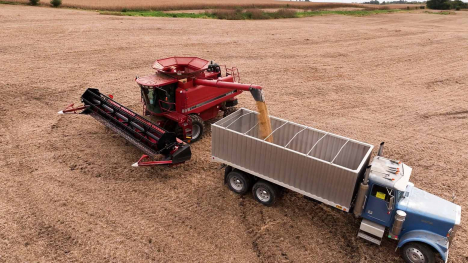
Agricultural lenders expect 40% of their borrowers to be unprofitable this year, according to a survey by the American Bankers Association and Farmer Mac.
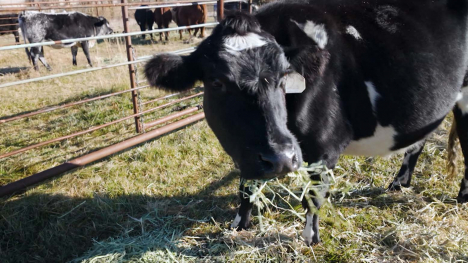
Ranchers in western Idaho face hay and fencing shortages after wildfire and drought. Neighboring communities are donating hay to help families recover.
Ted Seifried discusses corn recovery signals, soybean exports and South American weather risks.
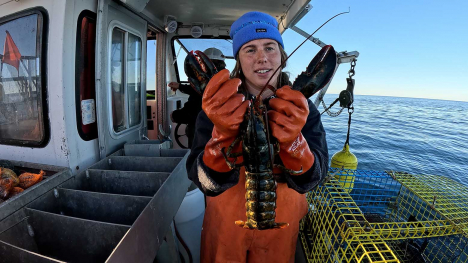
Warming waters push lobsters farther north, forcing fishing families to travel farther and spend more to bring in their catch.
Twice as many Americans say their finances are getting worse as say they're getting better. Glynn Tonsor of the Meat Demand Monitor explains how that K-shaped split shows up in restaurant visits and what's for dinner.