Where it comes to food production, a growing population and a limited supply of land has more than one entrepreneur looking for a foothold.


Humorist Will Rogers was quoted as saying, "Buy land, they ain’t making anymore of the stuff.” Where it comes to food production, a growing population and a limited supply of land has more than one entrepreneur looking for a foothold. David Miller has the story.
Transcript
As the world’s population runs past the eight billion mark, there have been concerns about how to sustainably feed an ever-growing number of people. One of the answers may be vertical farming.
The concept of growing food upwards inside a building instead of outwards across the ground has found more than one entrepreneur taking a chance on what they hope will be the future of farming.
Jacob Portillo, grower, Eden Green Technology:
“We are just trying to supplement something that we recognize is already an issue. So I think that moving forward that sustainability has to be a conversation regardless of where we’re growing our food.”
Vertical farming touts several advantages including reduced water use, optimal growing conditions and a consistent, reliable output - often in areas far from the farm, reducing the miles fresh food must travel to get from field to aisle.
Several independent business owners with deep pockets have made the investment. California’s Plenty is breaking ground on a $300 million facility. Big supermarket chain Kroger has expanded their vertical farm offerings. However, several startups have encountered distribution or operating hurdles that forced them into bankruptcy.
There are those who believe vertical farming is a detriment to the environment and the financial resources could be devoted to improving horizontal farming.
Tom Kimmerer is a plant physiologist who taught at the University of Kentucky.
Tom Kimmerer, plant physiologist: “We are missing out on enough investment money going to more traditional farming. There’s a huge opportunity to invest in traditional farming to increase productivity, reduce the carbon footprint of farming and increase the nutritional quality.”
Like any leading edge business, vertical farmers still face the same hard realities as their land-based counterparts, constantly looking for the right mix of capital and customers for their operation to succeed.
For Market to Market, I’m David Miller.
Watch More
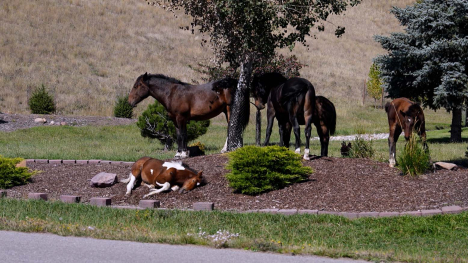
Montana residents balance affection for free-roaming horses with safety and property concerns.
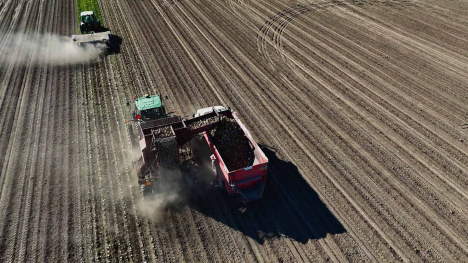
A growers association reports average losses of $500 per acre as sugarbeet harvest gets underway.
Shawn Hackett weighs corn demand, USDA yields and potential November turning points for grains.
Sugarbeet losses, diesel costs, Montana’s feral horses and market analysis with Shawn Hackett.
Shawn Hackett weighs storing corn versus selling soybeans and Brazil’s potential weather risks.

Global supply disruptions keep fertilizer markets volatile heading into 2027.