The daily tariff gyrations from the Trump Administration are concerning some sectors of the agriculture industry.


The daily tariff gyrations from the Trump Administration are concerning some sectors of the agriculture industry.
Transcript
The daily tariff gyrations from the Trump Administration are concerning some sectors of the agriculture industry.
New tariffs on steel and aluminum were announced this week, resulting in counter tariffs on American goods shipped to the European Union and Canada. The tariffs are expected to raise costs for many American manufacturers.
Almond growers in California are bracing for price declines as the world reacts to new tariffs. The almond industry saw wholesale prices drop 30% as a result of tariffs during the first Trump Administration.
While domestic almond production has declined since the 2020 crop year, the percentage of the crop that is exported has increased to over 70 percent.
Almond growers are concerned their product will be targeted at a time when production costs have increased.
Colin Carter, agricultural economist, University of California, Davis: "Right now, the producers aren't covering costs. The price will fall even further and you'll see orchards being ripped out, farms being lost. There’d be farms for sale up and down the valley."
The European Union has proposed a 20% tax on American whiskey that will take effect on April 1st. Trump countered with the threat of a 200% tariff on European wine and spirits.
At Brough Brothers distillery in Kentucky, the tariff situation has put plans to export their whisky to Canada and the EU into uncertain territory.
Victor Yarbrough, CEO, Brough Brothers: “So now the deal is pretty much suspended indefinitely, and now we have what kind of, now we have tariffs today and tomorrow we don't have tariffs. ... it’s really unpredictable…it takes us about 30 days to prep a product to ship to wherever it's going.”
Kentucky produces 95 percent of the world’s bourbon supply, and the hyper-competitive sector relies on exports for continued growth. Retaliatory tariffs can have a chilling effect on the industry.
Tariffs are paid by importers of goods, and the costs are commonly passed onto consumers.
For Market to Market, I’m Peter Tubbs.
Watch More
Naomi Blohm and Ted Seifried question USDA’s corn yield surprise and weigh China’s soybean demand.
Higher USDA yields pressure grain. Plus, opportunities/costs of putting local food on school trays.
How grain prices rally this winter w/Naomi Blohm & Ted Seifried on USDA, China demand & S. America.

An Iowa school district connects local farms, food hubs and students through the lunch tray.

Farmers rarely seek mental health help. Farm Dog offers care from people who know farm life.
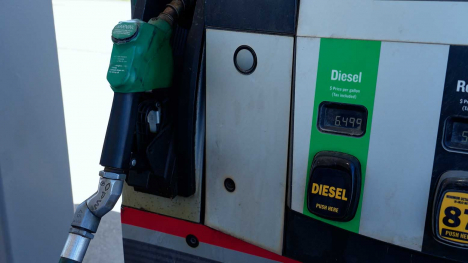
Rising diesel and freight costs squeeze farm margins and could reshape plans for the 2027 crop.