This week, the Trump Administration created a tariff carve out on some auto parts to preserve auto production in plants in the United States.


This week, the Trump Administration created a tariff carve out on some auto parts to preserve auto production in plants in the United States.
Transcript
This week, the Trump Administration created a tariff carve out on some auto parts to preserve auto production in plants in the United States.
Jim Farley, Ford CEO: “And we have to keep working on affordable parts to ensure that those supply chains promote domestic growth and affordable vehicles in our country. And getting all this right, between trade policy that promotes growth for the U.S. auto sector and a policy that limits U.S. production.”
Ford continues to import auto parts and finished vehicles from both Mexico and Canada, and the initial Trump tariff schedule had concerned the auto industry.
General Motors expects to spend up to $5 billion dollars on tariff taxes to import parts and vehicles this year.
Chinese diplomats are attempting to rally other members of the BRICS coalition to stand firm in the face of higher tariffs, calling the United States a bully that can’t be trusted.
But the group of emerging economies is struggling to arrive at a consensus. Many of the countries benefit from their partnerships with both the United States and China.
BRICS members - which include Brazil, Russia, India, China and South Africa - represent about half of the world’s population and 40% percent of the world’s GDP.
President Trump also believes the benefits of the tariff tax plan have not hit the economy.
President Donlad Trump: “And now we're doing better than we've done in a long time. You know, we were losing four to five to even six billion dollars a day on trade with Biden. And now, we have it down to a very manageable number. And the tariffs, for the most part, haven't even kicked in yet. So, that's the way, stock markets to me are an indication. But the big indication is what's happening.”
Tariffs are paid by the companies that are importing goods, and the costs are usually passed on to consumers.
For Market to Market, I’m Peter Tubbs.
Watch More
How grain prices rally this winter w/Naomi Blohm & Ted Seifried on USDA, China demand & S. America.
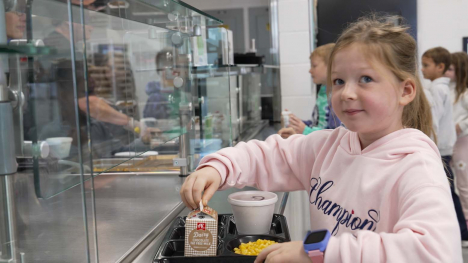
An Iowa school district connects local farms, food hubs and students through the lunch tray.
Naomi Blohm and Ted Seifried question USDA’s corn yield surprise and weigh China’s soybean demand.
Higher USDA yields pressure grain. Plus, opportunities/costs of putting local food on school trays.

Farmers rarely seek mental health help. Farm Dog offers care from people who know farm life.
Trade frustration is muting the weather rally, according to Sue Martin in our Market Plus segment.