Culling the herd to stay above water.
Cattle Producers Face Tough Decisions as Drought Conditions Worsen
Share


Culling the herd to stay above water.
Transcript
Sid Miller, Commissioner, Texas Department of Agriculture: “I drilled some post holes last week, getting ready to ship these cattle out. Went down four feet. No moisture. None. It's just completely like powder.”
Texas Agriculture Commissioner Sid Miller describes the working conditions he experienced moving cattle off his drought stricken ranch. Miller joins many cattle producers struggling with record-setting drought and temperatures climbing over the century mark.
Cattle producers across the South are experiencing challenges on multiple fronts as drought, a dwindling feed supply, and rising input costs are hitting ranchers hard at the bottom line. In Texas, the dry conditions have depleted water reserves and forced cow/calf operators to search nationwide for hay. Some producers are making hard decisions and selling off all or portions of their herds.
Sid Miller, Commissioner, Texas Department of Agriculture: ”A lot of our livestock auction barns are at capacity. They can't take any more cattle.
Of the 254 counties that make up the Lonestar state, 200 have been declared disaster areas due to the ongoing drought. To make matters worse, pastures with grazing potential are becoming fuel for grassland wildfires because of the hot, dry conditions.
Russell Boening is the President of the Texas Farm Bureau Federation.
Russell Boening, President, Texas Farm Bureau Federation: ”It's tough. It's tough nearly in every part of the state. I mean, you can find small areas that maybe caught a thunderstorm or two, and they're not suffering quite as bad, but I think like 95% of the state is in some category of drought. So that tells you that tells you the, the seriousness of the situation.”
According to the U.S. Drought Monitor, most of the western U.S. is working through some version of drought. In the South, drought classifications expanded in Oklahoma, Arkansas, and Texas. Boening notes, recovering from this drought will take a long time.
Russell Boening, President, Texas Farm Bureau Federation: ‘We got a saying out here in the country, it doesn't rain grass. It, it, it rains, you know, and it's good. Don't get me wrong. The rain is welcome, but it takes a while for your pastures to, to, to rejuvenate and, and come back./This is gonna be felt into 23, 24 and 25. So, and so even if it starts raining this fall.”
For Market to Market, I’m John Torpy.
Watch More
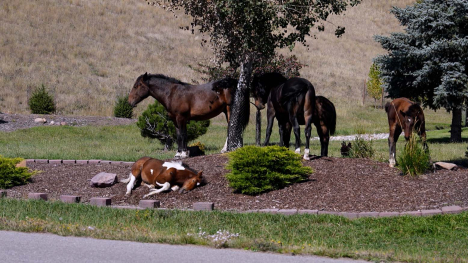
Montana residents balance affection for free-roaming horses with safety and property concerns.
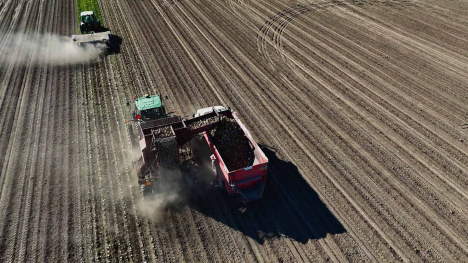
A growers association reports average losses of $500 per acre as sugarbeet harvest gets underway.
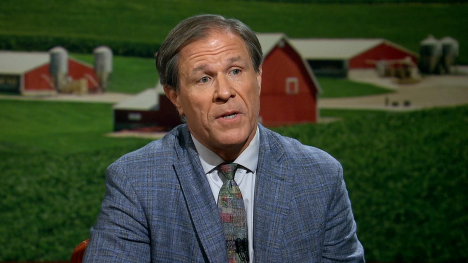
Shawn Hackett weighs corn demand, USDA yields and potential November turning points for grains.
Sugarbeet losses, diesel costs, Montana’s feral horses and market analysis with Shawn Hackett.
Shawn Hackett weighs storing corn versus selling soybeans and Brazil’s potential weather risks.
Global supply disruptions keep fertilizer markets volatile heading into 2027.