Seven states in the Western U.S. face a second year of water restrictions as a megadrought continues its hold on the region.
The Two-Decade Old Drought in the West Takes Its Toll
Share


Seven states in the Western U.S. face a second year of water restrictions as a megadrought continues its hold on the region.
Transcript
Seven states in the Western U.S. face a second year of water restrictions as a megadrought continues its hold on the region.
This week, the Bureau of Reclamation announced another round of water curtailments for the states sharing resources from the Colorado River.
Deb Haaland, U.S. Secretary of the Interior: "The worsening drought crisis across the West is not just bad for business and farms. It's an existential threat to our communities and to our livelihoods.
The cutbacks are the result of a failure by officials in the affected states to reach a consensus on how to make an additional 15 percent cut in their annual allotment of Colorado River water.
Camille Calimlim Touton, Bureau of Reclamation Commissioner: “These are difficult decisions. These are absolutely difficult decisions and they're difficult conversations to have.”
Nearly 40 million people will be affected by the cuts including farmers and ranchers in the region.
Federal officials hope a recent multi-billion dollar allocation of federal funds will expedite new water saving technologies as well as kick off more than a few conservation projects for the parched states.
Camille Calimlim Touton, Bureau of Reclamation Commissioner: "The good news we can share with you today is that through a once in generational investment of $8.3 billion with the Biden-Harris infrastructure law and $4 billion that the president just signed as part of the Inflation Reduction Act, the federal government will have the resources in hand with our partners to solve these challenges."
Unless the seven states affected by the Bureau of Reclamation’s water reduction mandate come to some kind of agreement, the curtailment will go into effect in January of next year.
There was some good news for portions of the West contained in this week’s drought monitor. Mid-August monsoonal rains helped improve dry conditions in New Mexico and Arizona.
In the High Plains, only Colorado and Nebraska saw drought relief, albeit on a limited scale. The remainder of the High Plains states continue to see drought conditions intensify.
For Market to Market, I’m John Torpy.
Watch More
Shawn Hackett weighs storing corn versus selling soybeans and Brazil’s potential weather risks.
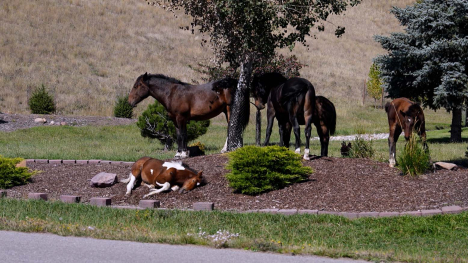
Montana residents balance affection for free-roaming horses with safety and property concerns.
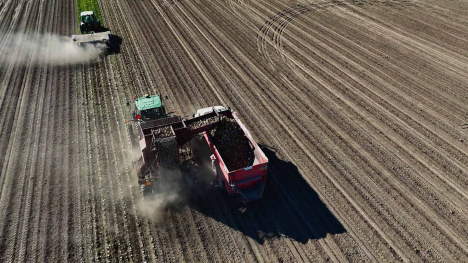
A growers association reports average losses of $500 per acre as sugarbeet harvest gets underway.
Shawn Hackett weighs corn demand, USDA yields and potential November turning points for grains.

Sugarbeet losses, diesel costs, Montana’s feral horses and market analysis with Shawn Hackett.

Global supply disruptions keep fertilizer markets volatile heading into 2027.