This week, USDA Secretary Tom Vilsack and U.S. Trade Representative Katherine Tai met with representatives from commodity trade groups in Woodward, Iowa.


This week, USDA Secretary Tom Vilsack and U.S. Trade Representative Katherine Tai met with representatives from commodity trade groups in Woodward, Iowa. While speakers voiced the concerns of Iowa commodity producers, their worries are common throughout American agriculture.
Transcript
This week, USDA Secretary Tom Vilsack and U.S. Trade Representative Katherine Tai met with representatives from commodity trade groups in Woodward, Iowa. While speakers voiced the concerns of Iowa commodity producers, their worries are common throughout American agriculture.
Steven Noah, Farmers for Free Trade- “Since the United States pulled out of the Trans-Pacific Partnership, the trade world has not stood still. Our competitors have been entering into trade deals left and right. Those agreements are now putting U.S. food and ag products at a competitive disadvantage. It’s hard to sell your products when farmers and producers from other countries can compete on price.”
Daniel Heady, Iowa Farm Bureau: “One of the things that we are really pushing the Administration to do is reduce those import tariffs on necessary products. We’re all for building American, and having local, domestic production of ag inputs, but it takes a while to do that, and a lot of money, and until we can get to that point we need to allow the free movement of ag products through the world.”
Aaron Lehman, Iowa Farmers Union: “We support ‘Product of the U.S. labeling for beef as well, that label really needs to mean something to our farmers and our consumers. And having a label that we don’t have full trust in, that doesn’t truly reflect what our customers are getting, those are really important issues to us.”
United States Secretary of Agriculture Tom Vilsack: “I’m really familiar with this issue, because we tried three times to get COOL through the process, through the WTO process, unsuccessfully.”
United States Trade Representative Katherine Tai: “I think we are very focused on bringing a balance and a trust back to the way we do trade. At USTR, tariffs are kind of our bread and butter, they are our traditional tool, and there are a lot of different types of tariffs. So there are rebalancing tariffs, tariffs that are meant to level the playing field when there is unfair trade going on. That is the theory behind a lot of the China tariffs that we have put down. Also the anti-dumping and countervailing duty tariffs that we put on. There are also times that tariffs are put down as a punishment to express our displeasure.”
For Market to Market, I’m Peter Tubbs.
Watch More
Shawn Hackett weighs storing corn versus selling soybeans and Brazil’s potential weather risks.
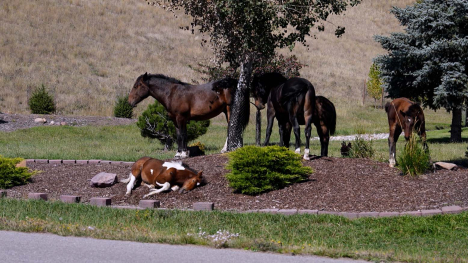
Montana residents balance affection for free-roaming horses with safety and property concerns.
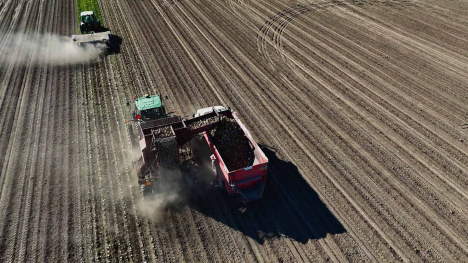
A growers association reports average losses of $500 per acre as sugarbeet harvest gets underway.
Shawn Hackett weighs corn demand, USDA yields and potential November turning points for grains.
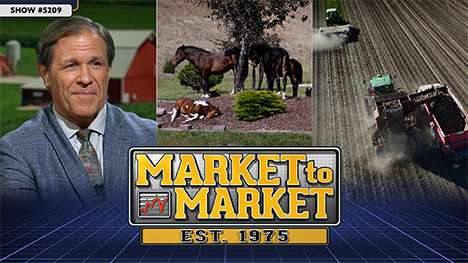
Sugarbeet losses, diesel costs, Montana’s feral horses and market analysis with Shawn Hackett.
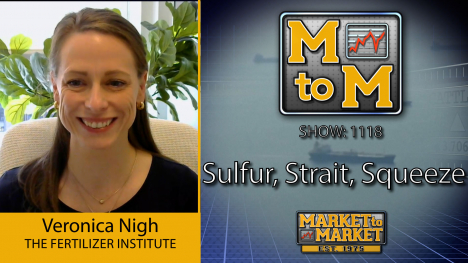
Global supply disruptions keep fertilizer markets volatile heading into 2027.