Ten years ago this week, Hurricane Sandy slammed the East Coast.


Ten years ago this week, Hurricane Sandy slammed the East Coast. It increased the volume of the calls to address global climate change. Today, the same pleas are being made and not much has changed in that timeframe. Peter Tubbs looks at the reports issued this week.
Transcript
Climate scientists have observed globally reduced crop yields over the past 50 years and animals moving to higher altitudes to find lower temperatures. If the trend goes unchecked, the same scientists are predicting water basins dependent on snowpack will see water volumes decline by as much as 20 percent.
The gasses believed to contribute the most to climate change hit record levels in 2021. Carbon dioxide, methane and nitrous oxide each contribute to atmospheric warming in different ways, all of which are major contributors to climate change.
Recent data shows that China is the world’s largest emitter of carbon dioxide due to its reliance on coal for electricity. The country of 1.4 billion, continued to discharge twice as many tons into the atmosphere as the United States.. However, on a per capita basis, the United States emits twice as much carbon per person than China, and over seven times as much carbon dioxide per person than India.
The warming of the atmosphere is believed to be disrupting weather patterns around the globe.
Dr Oksana Tarasova, Senior Scientific Officer, World Meteorological Organization (WMO): "This amount of energy which is additionally accumulated in the atmosphere the greenhouse gases have to go somewhere. So you will have more extreme events. You will have more precipitation or more severe storms. So it's kind of a long term changes in weather patterns.
The growth rate of methane and nitrous oxide emissions in the atmosphere increased to record levels in 2021. Agriculture is a significant source of both gasses globally, primarily from the raising of livestock and the application of fertilizer.
Some believe that the time for agriculture to reduce its emissions has come, and governments will need to play a central role in the adoption of so-called climate smart practices.
Tom Vilsack, Secretary of Agriculture: “ For the last 40 years or so, our focus has been predominantly on increasing productivity that needs to continue, obviously if we're gonna continue to feed a, a, a fragile world in the basic climate change, but we have to make sure that it is also not only sustainable, but also profitable.“
For Market to Market, I’m Peter Tubbs.
Watch More
Shawn Hackett weighs storing corn versus selling soybeans and Brazil’s potential weather risks.
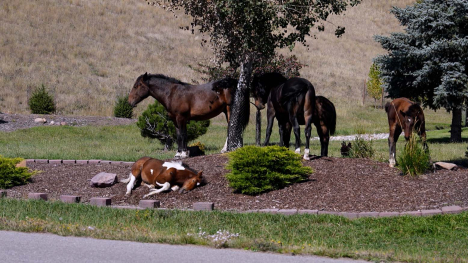
Montana residents balance affection for free-roaming horses with safety and property concerns.
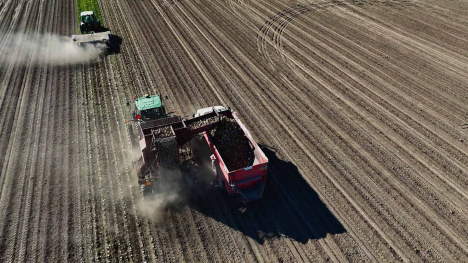
A growers association reports average losses of $500 per acre as sugarbeet harvest gets underway.
Shawn Hackett weighs corn demand, USDA yields and potential November turning points for grains.
Sugarbeet losses, diesel costs, Montana’s feral horses and market analysis with Shawn Hackett.

Global supply disruptions keep fertilizer markets volatile heading into 2027.