Continued shorter rain fall has limited flow eventually into the Mississippi River prompting lesser loads of goods in both directions.


Metaphors aside, the lack of physical clouds has left the fall inland waterway system in peril. The latest Drought Monitor reveals 61 percent of the continental U.S. is in moderate drought or worse - the highest since the peak of the 2012 drought. Any rain that falls for the foreseeable future will stay where it hits and get soaked up leaving transportation on the Mighty Mississippi in the slow lane.
Transcript
Continued dry conditions and reduced water flow have altered barge and tow traffic.
Here in Tiptonville, Tennessee – an area about halfway between St. Louis and Memphis – a large section of the riverbed of the Mississippi River has been exposed.
Grain usually heads downstream this time of year with fertilizers, salt and steel making the trip up river.
American Commercial Barge Lines reported depth in some spots of the Lower Mississippi River at 9 feet or about 30 percent of normal.
To compensate for the lower flow, barge companies have cut loads by a quarter. Tows that were usually 40 barges chained together have been reduced to about 25.
Low river levels have revealed some history. Near Baton Rouge, Louisiana, this ferry emerged from the depths this fall and has likely been there since sinking in the late 1800s.
Dr. Chip McGimsey, Archaeologist for the State of Louisiana: "The drought is the only reason we see her. Normal pool of the river is up there at the top of the tall green weedy patch. There was a previous drought in 1992 and she became known at that time, but at that particular time all you could see was the very tops of the sides. She was completely full of mud with mud caked all around her. So there wasn't really much to see. We knew she was here, but couldn't say much about her."
Even if rain picks up along the Mississippi River basin, deeper flows may take some time to be restored.
Mike Steenhoek/Soy Transportation Coalition: “Unfortunately, it could be a considerable period of time, because you know, with with any additional precipitation that occurs, a lot of U.S farm ground is one big dry sponge right now. So a lot of it's going to get soaked into the ground, which is good for the farm ground, and which we certainly hope for that. But how much of that will actually get channeled into the river system that's going to be quite limited. So this is something that, you know, unfortunately is going to be a challenge for us for the for the foreseeable future.”
For Market to Market, I’m David Miller.
Watch More
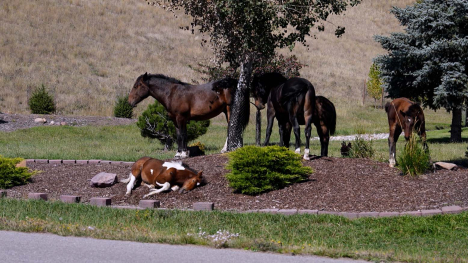
Montana residents balance affection for free-roaming horses with safety and property concerns.
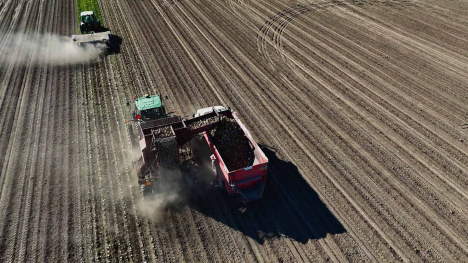
A growers association reports average losses of $500 per acre as sugarbeet harvest gets underway.
Shawn Hackett weighs corn demand, USDA yields and potential November turning points for grains.
Sugarbeet losses, diesel costs, Montana’s feral horses and market analysis with Shawn Hackett.
Shawn Hackett weighs storing corn versus selling soybeans and Brazil’s potential weather risks.

Global supply disruptions keep fertilizer markets volatile heading into 2027.