Continued drought in cattle grazing regions of the United States has seen farmers and ranchers cut their animal numbers.


Continued drought in cattle grazing regions of the United States has seen farmers and ranchers cut their animal numbers, reducing the size of the national cattle herd to levels not seen since 1962.
Transcript
Continued drought in cattle grazing regions of the United States has seen farmers and ranchers cut their animal numbers, reducing the size of the national cattle herd to levels not seen since 1962.
Reduced forage quality has been a big reason why producers are sending heifers and breeding stock to slaughter in larger numbers when compared to periods of herd expansion.
The recent period of record grain prices has exacerbated an already difficult financial situation for some operators. Expensive corn has heavily impacted the profit margins for farmers, ranchers and feedlot operators.
Derrell Peel Oklahoma State University: “Well, we've clearly liquidated the herd. In fact, if you look again at the USDA numbers nationwide, we lost over a million head of cows last year, which is the biggest in terms of absolute numbers, the biggest year over year decrease in the beef cow herd since like 1986.“
The herd liquidations have been quickly eaten by Americans, who continue to buy beef despite high retail prices. But the slaughter volumes will eventually decline.
Derrell Peel Oklahoma State University: “Well, the reason we had peak all-time record beef production in 2022 is because we were eating those that inventory. That's a temporary thing that you can do or have to do when you're in the middle of drought forced liquidation. But it's not sustainable.”
Sending heifers to slaughter rather than adding them to the breeding herd can cause a rapid contraction of the total herd size, but it also limits future growth. The nature of the breeding cycle results in a slow return of cattle numbers even when grazing conditions improve.
In the near term, cattle producers looking to increase their herd size will face increased challenges in an environment of already razor-thin margins.
Derrell Peel Oklahoma State University: “So what it means is the guys in the middle you mentioned the price of corn, all of the margin operations above the cow calf level are going to be really squeezed in this process, because the, the, you know, the, the top side of the market will adjust at least somewhat, but it won't adjust fast as fast as the bottom side is coming up. And so I think cattle feeding is going to be a dilemma going forward here, because we're going to have not as many feeder cattle, they're going to be really expensive. And then we've still got a high cost of gain in terms of high feed prices. And so those margins are going to be a challenge going forward.”
For Market to Market, I’m Peter Tubbs.
Watch More
Shawn Hackett weighs corn demand, USDA yields and potential November turning points for grains.
Sugarbeet losses, diesel costs, Montana’s feral horses and market analysis with Shawn Hackett.
Shawn Hackett weighs storing corn versus selling soybeans and Brazil’s potential weather risks.
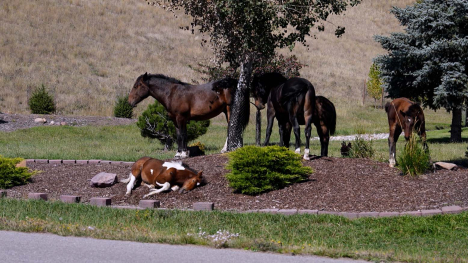
Montana residents balance affection for free-roaming horses with safety and property concerns.
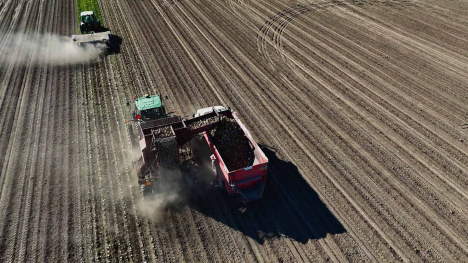
A growers association reports average losses of $500 per acre as sugarbeet harvest gets underway.
Global supply disruptions keep fertilizer markets volatile heading into 2027.