The Office of the United State Trade Representative released its annual report on foreign trade barriers last week.


The Office of the United State Trade Representative released its annual report on foreign trade barriers last week, and the listing of limits to U.S. exports is extensive.
Transcript
The Office of the United State Trade Representative released its annual report on foreign trade barriers last week, and the listing of limits to U.S. exports is extensive.
China remains a significant challenge for trade. The signing of the “Phase One” agreement in January, 2020, expanded market access for a variety of American export products. But the report notes a lack of action on commitments on agricultural biotechnology and fulfilling promises on commodity purchases in the long term.
China’s goal to become self-sufficient in multiple industrial and technological sectors is a long-term concern. Developing economic independence requires a wide scope of state intervention and support, and would exacerbate market distortions in multiple areas.
Despite the zero-tariff environment created by the USMCA, pact partners Canada and Mexico both present trading challenges.
Mexico has blocked the import of Glyphosate and herbicides that use the chemical as well as moving forward with a phase out of all Glyphosate products in the country. Mexico has also banned future imports of genetically modified corn, and has proposed ending the use of GMO cotton in the country. The U.S. has demanded technical talks with the nation’s number three trading partner.
Canada, America’s number two trading partner also is on the USTR’s list. Domestic supply management systems for dairy, eggs and poultry hamper the importation of those products from the United States. The system of agricultural marketing boards tries to match production to domestic demand, which increases the amount paid by Canadian consumers, leaving little room for imports. The U.S. continues to push its northern neighbor to import higher amounts of milk protein products and cheese.
For Market to Market, I’m Peter Tubbs.
Watch More
Shawn Hackett weighs storing corn versus selling soybeans and Brazil’s potential weather risks.

Montana residents balance affection for free-roaming horses with safety and property concerns.
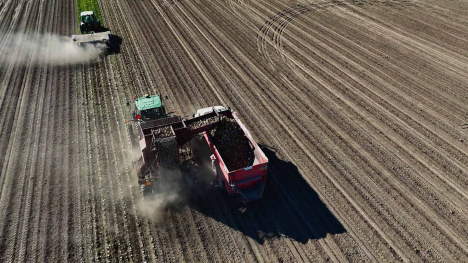
A growers association reports average losses of $500 per acre as sugarbeet harvest gets underway.
Shawn Hackett weighs corn demand, USDA yields and potential November turning points for grains.
Sugarbeet losses, diesel costs, Montana’s feral horses and market analysis with Shawn Hackett.

Global supply disruptions keep fertilizer markets volatile heading into 2027.