This week, the East Coast received an early blast of summer, with highs in Philadelphia reaching into the 90’s with the heatwave expected to continue through the weekend.


This week, the East Coast received an early blast of summer, with highs in Philadelphia reaching into the 90’s with the heatwave expected to continue through the weekend.
Transcript
This week, the East Coast received an early blast of summer, with highs in Philadelphia reaching into the 90’s with the heatwave expected to continue through the weekend.
Lauren Authur, Philadelphia resident: “Today is extremely hot. It honestly got hot sooner than we expected it to be.”
Across the nation, widespread drought worsened. Scattered rains in Texas lessened the drought slightly, but most of the state expanded its drought severity leaving the area in exceptionally dry conditions.
Portions of the corn belt received 2 to 5 inches of rain, while nearby areas remained dry with widespread precipitation deficits of over an inch.
Broad portions of the Wheat Belt remain in extreme or exceptional drought conditions.
Forecasters also believe that the upcoming hurricane season will see fewer named storms than average, due to a developing strong El Nino. Nine of the last 10 hurricane seasons have been graded as above average. Strong El Nino formations push dry air into the Caribbean, making the formation of strong storms more difficult.
For Market to Market, I’m Peter Tubbs.
contact: [email protected]
Watch More
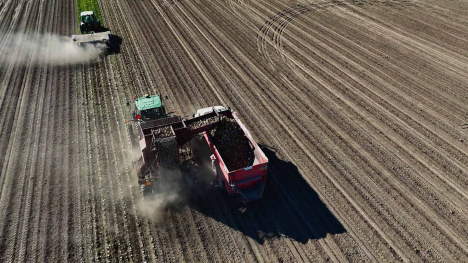
A growers association reports average losses of $500 per acre as sugarbeet harvest gets underway.
Shawn Hackett weighs corn demand, USDA yields and potential November turning points for grains.
Sugarbeet losses, diesel costs, Montana’s feral horses and market analysis with Shawn Hackett.
Shawn Hackett weighs storing corn versus selling soybeans and Brazil’s potential weather risks.
Montana residents balance affection for free-roaming horses with safety and property concerns.

Global supply disruptions keep fertilizer markets volatile heading into 2027.