Nevada, Arizona and California reach agreement to usage cuts from the Colorado River over the next three years.


Water is vital to any crop. Pick one between alfalfa to melons and each needs some moisture to get from seed to fruit/harvest. Rights and allotments for water in the West are hard to manage when the source keeps dwindling through drought and usage. This week, three states agreed their action is better than the government’s. David Miller explains.
Transcript
A major water supply in the West could last longer following a tentative agreement to reduce usage over the next three years.
Arizona, California and Nevada are vowing to cut back their use of the Colorado River in exchange for $1.2 billion dollars from the federal government.
Felicia Marcus, Stanford University water researcher: "It is clearly a critically important stopgap as we're dealing with a near Armageddon state of affairs. But it is just a stopgap for the next few years in order to buy us the time for there to be a more thoughtful reassessment of the whole way we manage the river."
The cuts are not permanent and half of the reductions would happen by the end of 2024. Negotiations have been on-going for more than a year and, if ratified, the new policy would conserve 3 million acre-feet of water - 40 percent of the annual amount allotted to those states - through 2026 when current guidelines expire.
Bret Birdsong, law professor, University of Nevada, Las Vegas: "I think that everyone is going to feel these cuts. Wha t I can't speak to is the alllocation of those cuts. But I can say that agriculture is the biggest user and probably will bear, gallon per gallon, the biggest cuts."
The Colorado provides water to roughly 40 million people in seven states, parts of Mexico and at least two dozen Native American reservations. Much of the water is used for agriculture and hydroelectric power.
Felicia Marcus, Stanford University water researcher: "The Colorado River has been in a state of near continuous drought for the last 23 years with the two major reservoirs, the two largest in the country, being near what's known as deadpool, where you can't get any more water out. And before that you can't get any hydropower generation."
Above average snowfall this winter provided some space for negotiation. Even if the states agree on a new policy, the deal will need final approval from the U.S. Bureau of Reclamation.
For Market to Market, I’m David Miller.
Watch More
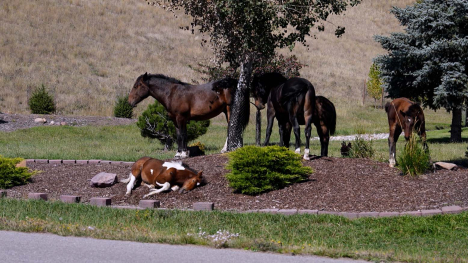
Montana residents balance affection for free-roaming horses with safety and property concerns.
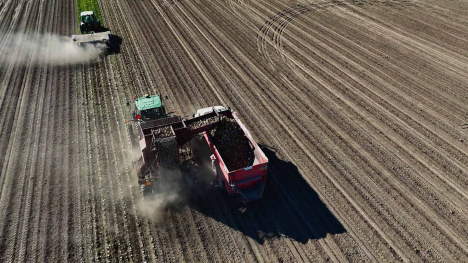
A growers association reports average losses of $500 per acre as sugarbeet harvest gets underway.
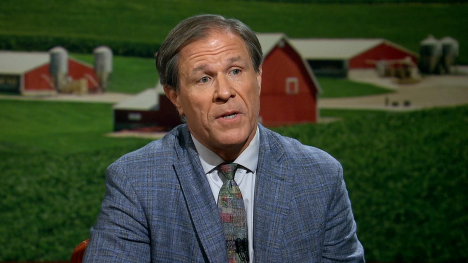
Shawn Hackett weighs corn demand, USDA yields and potential November turning points for grains.

Sugarbeet losses, diesel costs, Montana’s feral horses and market analysis with Shawn Hackett.
Shawn Hackett weighs storing corn versus selling soybeans and Brazil’s potential weather risks.

Global supply disruptions keep fertilizer markets volatile heading into 2027.