Hundreds of goats have been hired to reduce the wildfire risk in this neighborhood.
Wildfire Mitigation Technique At Risk Due To Labor Change
Share


Hundreds of goats have been hired to reduce the wildfire risk in this neighborhood.
Transcript
Hundreds of goats chew the vegetation near a housing complex outside of Sacramento, California. The goats have been hired to reduce the wildfire risk in this neighborhood.
Jason Puopolo, Parks Superintendent, City of West Sacramento: "We have our goats grazing some of the tall grasses and weeds that could potentially be fuel for wildfires. So we're, we're working to graze those and and essentially mow those down to reduce the fire risk for the upcoming dry season."
With the demand for housing in California high, homes are being built closer to areas susceptible to wildfires. Targeted grazing is used as goats eat a wide variety of vegetation and can graze on steep, rocky hillsides.
Tim Arrowsmith, owner of Western Grazers: "And so the demand has grown year after year after year. California is probably the largest state that does goat grazing and or some kind of herbivore fuels abatement."
But new labor regulations are making it more expensive to provide goat- grazing services, and herding companies fear the higher labor costs may put them out of business.
Tim Arrowsmith, owner of Western Grazers: "So by January 1 of '24, if we cannot fix the current legislation, we will be forced to sell these goats to slaughter and to the auction yards and we'll be forced out of business and probably file for bankruptcy."
An ag labor law signed in 2018 that brought overtime pay to farmworkers will affect H2A workers beginning in 2024. Animal herders are currently paid a flat rate per month, with housing and groceries provided by the employer. But workers are on call 24 hours per day. Their pay could rise from $3,750 per month to over $14,000 with overtime, making the business model unsustainable. In turn, the fire prevention technique could become unaffordable.
Tim Arrowsmith, owner of Western Grazers: "What's at stake for the public is your house could burn up because we can't fire-mitigate, I mean, thousands of structures and fire, millions of acres have burned. Hundreds of millions of dollars has been spent on putting out fires. Very little has been spent on fire prevention."
For Market to Market, I’m Peter Tubbs.
Watch More
Shawn Hackett weighs corn demand, USDA yields and potential November turning points for grains.
Sugarbeet losses, diesel costs, Montana’s feral horses and market analysis with Shawn Hackett.
Shawn Hackett weighs storing corn versus selling soybeans and Brazil’s potential weather risks.
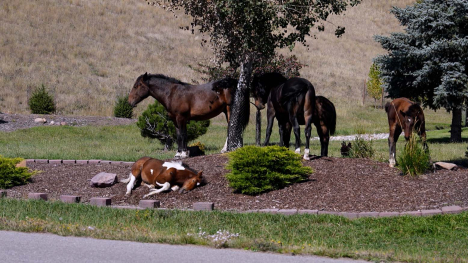
Montana residents balance affection for free-roaming horses with safety and property concerns.
A growers association reports average losses of $500 per acre as sugarbeet harvest gets underway.

Global supply disruptions keep fertilizer markets volatile heading into 2027.