Market Analysis with Mark Gold


Market Analysis with Mark Gold
Transcript
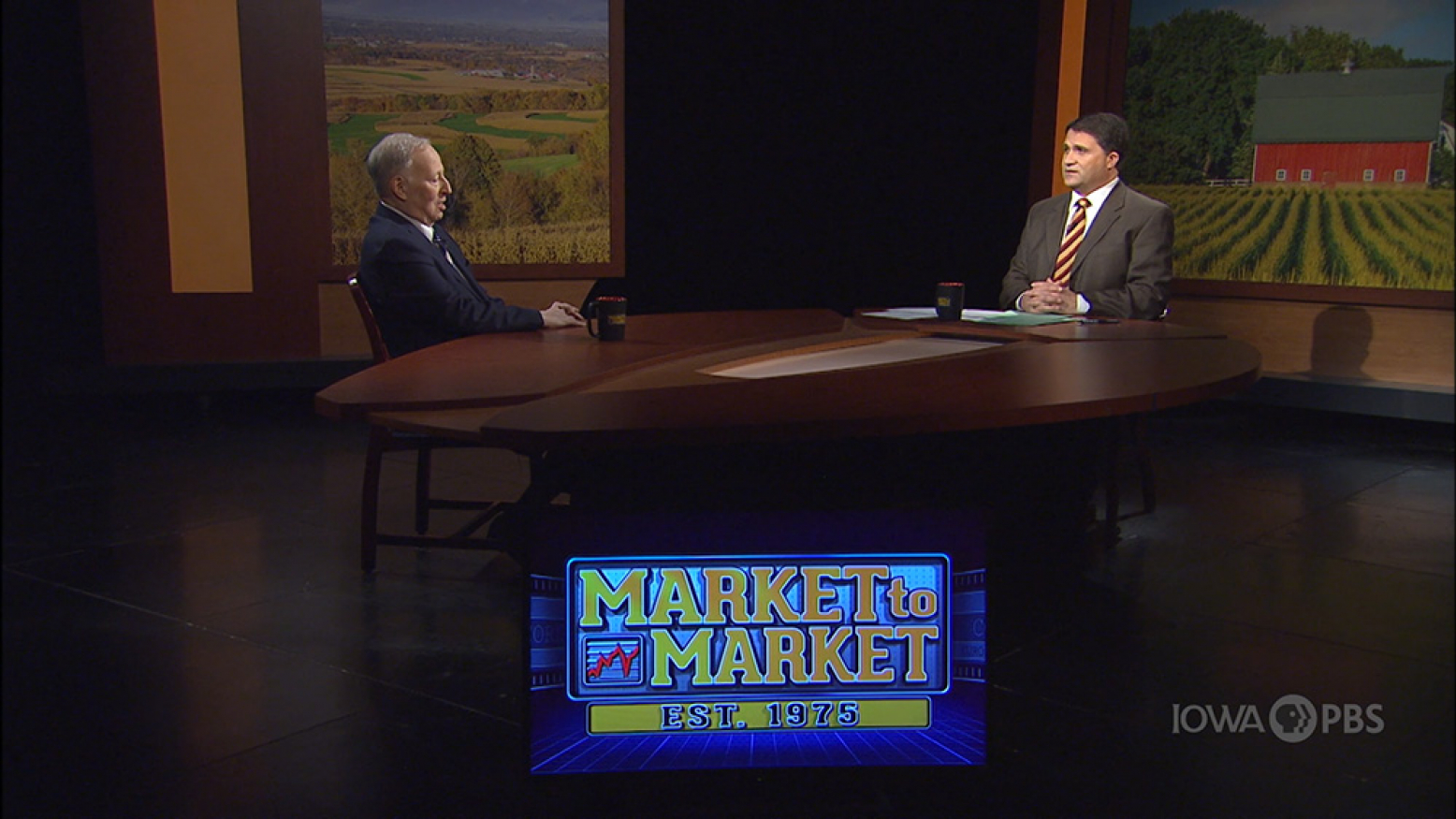
[Yeager] Hot and dry conditions in the Wheat Belt, along with potential for early planting influence the trade late week for transactions printed on March 20th. The nearby wheat contract lost $0.19 in the May corn contract declined $0.02. The delayed meeting between China and the U.S. prompted a limit down movement Monday, but the rest of the week was stable and reflected 22-month highs. However, the May soybean contract fell $0.64, while May meal rose by 5.30 per ton. May cotton expanded $1.46 per hundredweight. Over in the dairy parlor. April class three milk futures gained $0.61. The livestock market was mixed. June cattle improved for 48th May. Feeders put on 720 and the June lean hog. Contract dropped to 90. In the currency markets, the U.S.. dollar index lost 75 ticks. May crude oil found $1.03 per barrel. Comex gold sold off 10%, or $510.90 per ounce, and the Goldman Sachs Commodity Index was up by almost 22 points to settle at seven 4455. Here now, to lend us his insight on these and other trends is regular market analyst Mark Gold. Hello, sir. How are you?
[Mark Gold] Paul, always nice to be here.
[Yeager] Great to see you.
[Gold] Good to see you.
[Yeager] Let's start with wheat because we saw just a couple minutes ago about these fires in Nebraska. But if you look at the drought monitor in Kansas, they've had rain. But they also had a freeze this week. Then it's dry in Oklahoma and other parts that raise wheat. Is that the only story impacting the wheat trade this week?
[Gold] Well, you know how wheat's down $0.18 this week with the fires in Nebraska, 20-degree temps and down to ten in some places in Kansas. And then it's going to be 91 over the weekend. You know how you look at the crop ratings in Kansas took a 4% drop. I don't really see how it how they nailed it so bad out there. You know, maybe they're looking at what's happening in the Gulf, lack of demand. Demand hasn't been great. Export figures been 350 to 400 on average. So, you know I guess it's, you know, the old saying, wheat is a weed and you can't kill it, but, you know, I'm not the world's greatest agronomist. But I'll tell you what, when you put 20 degrees on wheat, 90 degrees in the space of a week and very little rain, the dryness, the fires and everything else, I can't believe wheat was lower for the week.
[Yeager] But did wheat just get caught up then in the issues with soybeans and corn? Mostly. And that's what we're having to make sense.
[Gold] I think that's, you know, with beans down 60 some odd cents, you know, it's going to be hard for any commodity to stage any kind of rally in that environment. I can't remember the last time we were limit $0.70 in the beans one way or the other. It's been quite a while. So, you know, we actually knew about it Friday that the thing was going to be delayed. You know, I don't know why they hit it so bad. And crude oil, which is really what's been moving this market. We closed, I believe the April contract closed on its contract high close. Now we're still away from that spike high. But you know the crude oil is not backing off here.
[Yeager] I've been out of this chair for a couple of weeks. But the easy story to see every newsletter that I was trying to read to keep up mentioned oil, Iran, Middle East and all the challenges. We've talked about it already in this program on the corn market, specifically, are you surprised the corn market hasn't rallied more on these headlines?
[Gold] You know, you look at where the beans have come from and the corn Rally has been, you know, a fraction of that really, you know, 30 cent rally in corn. I think it could have been more. The problem is China doesn't need the corn. They got a lot of corn. They're trying to get rid of the wheat that's moving out of condition. They're feeding that. So, they really don't need corn. So that's a problem out here. And we've been hoping that we'd see China buy some. But in general, the corn market hasn't acted as good as you would think because we're still looking at a huge carryout. And yet we're going to lose acres on the acreage report. But, you know, it's 4 million enough to change the big picture out here. I don't think it is. So, we still have a lot of corn to chew through.
[Yeager] Well, that's actually tied to Boise and Nebraska or Boise. In North Dakota's question for you, Mark, he says there's a lot of talk about losing Corn Acres due to fertilizer issues. But on the other hand, I wonder, do we really even need to lose any more corn? Since USDA is already penciling that 4 million fewer acres?
[Gold] Well, I think the four million is a reasonable number. Everybody's been talking about we'll lose these acres because of the fertilizer cost. You know, this is now almost the end of March. Guys have already made their decisions. A lot of guys have already bought what they've needed out there. So, I don't know that it's as big as impact as it would have been two months ago, three months ago, but certainly going to have some impact. But then you come against, you know, farmers like to plant corn, grow corn, harvest corn. They like the rotations. So, is it going to change all that much? I don't see it. You know, being much more than that. If it's going to be that at all.
[Yeager] Let's put corn under the same microscope we just did with wheat. And talking about the weather, it's easy on in the end of February when it gets to be warm. But how does it get to be the end of March in the most. The majority of the Corn Belt, someone's going to be tempted to plant. What will that do to any of this market?
[Gold] Well, you've got to get the wheat out and you're a long way from that happening. I really don't you know, we've been planting more beans early. Is that going to happen now if we get the dry weather? No, they'll probably get more corn in first this year. But I don't see the wheat having a big play in terms of what's what it's going to do to the corn. I really don't. Okay.
[Yeager] And same with the corn. Yeah. Okay. Let's talk about beans because that's the one we probably could have spent the whole time on today. This movement. You were surprised the overnight trade, the volatility. It's all back. Yeah. So how do I make sense of all this.
[Gold] Tune in to Truth Social every night at two in the morning and you'll know what's going to happen. I don't do that. I probably should, but am I going to trade something at 3:00 in the morning on the on the electronic system? Probably not. So, you know, you just have to live with what it is. You got to know that the president's going to make these statements. He kind of falls into a little bit of a pattern when the stock market really starts to hit the bricks, he usually comes out and says something bullish for the stock market. That helps the cattle market to some extent. But as far as the beans go, you know, anybody who thought once we took the moves into Iran that there was going to be a meeting between XI and President Trump, I think was kidding themselves, they take 90% of their oil. China takes 90% of the oil from Iran. So, are they going to be open door and happy about all this? I don't see that. So, it didn't come as a surprise to me. I'd been saying it for the last three weeks. Don't count on this meeting happening. It's supposed to be 5 to 6 weeks out. We'll see if that happens too. So, you know, you have to accept the volatility for what it is. We've been begging clients when we've had these rallies in the last four weeks, starts selling into this thing, layer it in. We've been selling 10% here, 10% there. And I think we did a pretty good job of getting some really good sales on. So now we'll just keep the puts on and let the market do its thing.
[Yeager] Well, a month ago, prior to anything with Iran, if you had this price, you absolutely probably would have had lots of people answering your phone. Are their producers apprehensive to sell into the instability that there is right now?
[Gold] Everybody's, you know, the fear of missing out. So, you know, do you want to sell 1240 beans? Even though it's a phenomenal price considering where we've been? Well, you know, but something comes on over the weekend and we limit up and we don't want to miss that. So that's the issue that the American farmers has to face is their own emotions.
[Yeager] Well, there was a question and I was going to save it, but I guess I'm going to throw it in here real fast. Joel in Minnesota, he's kind of he's reminding of a meeting that you once had with him and he says, do something he says is the best advice. Do something. Now I've added to his question or do nothing.
[Gold] To me it's always do something. You know, our friend who passed away, Orion Samuelson, he was so big on getting farmers to market. He was absolutely right. And you've got to do something. You've got to be proactive. You can't wait until the stuff hits the fan. You've got to be there before willing to take a price. And it's not about selling the highs or lows. It's about profitability. And when you can get profitable in these markets, sell some grain.
[Yeager] Are we profitable right now in the live cattle market?
[Gold] I think so.
[Yeager] You would think so right. But there's still challenges.
[Gold] You know there's still challenges. You've got the strike going on. Box beef has been through the roof. You know 400 out. We're back to over 400 again. The cattle on feed report I thought was pretty bearish 104% placements. I can't remember the last time we saw placement number that was higher than a year ago. It's been a while. So is this starting to shift out here. Maybe. So, we had a nice rally on Friday, but we've been a little bit soft before that. You know I think you've got good prices in these cattle and you still need to protect them.
[Yeager] Cattle on feed 100 on feed 104. Place 93 marketed. So, the place is the number. That's your headline.
[Gold] That's the one I think that could do some damage to the cattle market on Monday.
[Yeager] Okay. And we've had I won't say call them crazy, but very eye brow raising reports. And the market doesn't quite react to money. Why would this be any different?
[Gold] Well, I think this one's a little bit different because we've got the situation with the Dow Jones well off the highs. That seems to affect the cattle as much as anything on a daily basis. The Dow rallies 500 points. The cattle comes back. Dow brakes 500 cattle breaks. So, I think it's a little bit different out here. Stock market certainly looks weak. Can the president say something to rally at 1500 points in a day or two? Sure he can. But you know that's why the puts are so valuable. You buy the darn put and let the market do what it's going to do. If it tanks or use LRP, do something again to protect these prices because you can't watch cattle, you know, go back to 160, you can't watch feeders, go back to 200 or whatever. So, you've got to be a little proactive, regardless of what is happening in the outside world, in all the chaos that's going on, and it goes on every day right now, just let the market do its thing and have something in place to protect yourself.
[Yeager] What's the market doing in the hog market? Because that has now all of a sudden just we'll see in the chart here. It has not a friendly one in the last few weeks.
[Gold] You know we made some highs here a couple of weeks ago in the back months in the summer months in the hogs. And since then we've broken, you know, five, $6 off the highs. I think that's an indication that the American consumer is looking for whatever they can. That's cheaper out here. And chicken is cheap, relatively speaking. Pasta is cheap, relatively speaking. And there are other things that they can buy to try to save some money out here, particularly with gas prices exploding. You know, you got to feed the family. So, you know, I think that's probably part of the problem with the cattle market and with the hog market. Consumers are looking for something cheaper.
[Yeager] And what we're looking for is a discussion in Market Plus with you. That's it for now.
[Gold] I'll be here.
[Yeager] All right. Mark Gold, good to see you. Thank you so much.
[Gold] Thanks for having me.
[Yeager] All right. And when Mark comes back, I want to let you know that we've been watching the analysis portion and we're going to keep going in what we call an online only segment. And it's called Market Plus. So how do you find it? You search Market Plus with Mark Gold wherever you get your podcasts. You can also go to our website of Markettomarket.org to listen. You can see we have some new set pieces around us here this week, and we will tell you all about them in our next Market Insider newsletter that comes out Monday morning. Sign up online to be in the know on the work that we do each week. Next week, encouraging more women to step into leadership roles on the farm. Thank you so much for watching. Have a great week.
Trading in futures and options involves substantial risk. No warranty is given or implied by Iowa PBS or the analysts who appear on Market to Market. Past performance is not necessarily indicative of future results.
Watch More
Data paints farmers further behind with the price spikes in fertilizer and fuel. Oversight comes to the committee room for the CFTC. The dairy industry finds balance as new tastes churn fresh optimism. And, commodity market analysis with Ted Seifried.
A survey shows price spikes brought on by the war with Iran add to producer financial troubles
Always be looking towards the next crop. Ted Seifried has thoughts about ‘27 in our Market Plus.
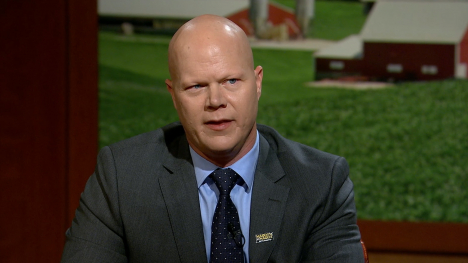
A seasonal rally is returning to the corn market according to Ted Seifried in our Market Analysis.
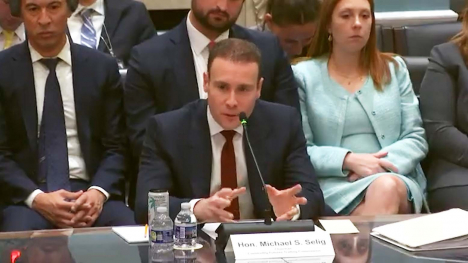
This week, the House Agriculture Committee heard testimony from Michael Selig, the Chairman of the Commodity Futures Trading Commission. Many of the questions focused on farmer’s access to trading and pricing data, and enforcement of insider trading on prediction markets.
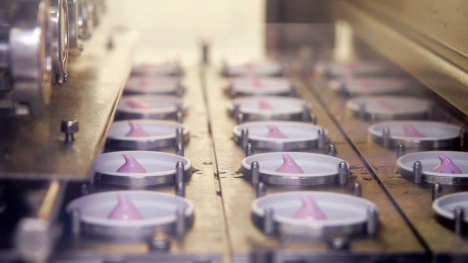
After years of declining fluid milk consumption in the U.S., a few dairy products have seen demand take off in the last decade.