This week, four scientists who contributed to the Central Iowa Source Water Research Assessment presented the results of the study to the public.


This week, four scientists who contributed to the Central Iowa Source Water Research Assessment presented the results of the study to the public.
Transcript
This week, four scientists who contributed to the Central Iowa Source Water Research Assessment presented the results of the study to the public.
The project was commissioned by the Polk County, Iowa, Board of Supervisors to assess the water quality of the Des Moines and Raccoon Rivers. The rivers serve as drinking water sources for 600,000 people in the Des Moines metro area.
The Assessment identified agriculture as the dominant source of nitrates in the water.
Dr. Jerald Schnoor, University of Iowa: “You might ask, where is all of the nitrate coming from?” (audience laughter) “It’s a good question.”
The Central Iowa Water Works has struggled to remove enough nitrate from the source water to provide drinking water for the public that meets EPA standards for nitrate. The water utility instituted a residential lawn watering ban for several weeks to ensure it would be able to provide safe drinking water to the community.
Central Iowa has experienced high nitrate levels in its rivers for decades, and the Central Iowa Water Works spends upwards of $15,000 per day removing nitrate from the water it sources.
The assessment estimates that 40 percent of the nitrate in the two rivers is from surplus fertilizer, 20 percent from animal manure, and 20 percent fixed in the soils by soybeans.
Dr. Claire Hruby, Drake University: “This is not anti-farmer. We need every acre treated…pick a menu of options, we know what works…we are rewarding a small percentage of our landowners who are doing the right thing, and without regulation we can’t get the rest of the folks to do something. And let’s just all apply fertilizer at agronomic rates.”
Iowa Secretary of Agriculture Mike Naig believes that voluntary practices are the best path to lowering the nitrate load in the state’s rivers, and that farmers are going to need taxpayer support to improve their practices.
Sec. Mike Naig, Iowa Department of Agriculture: “If you want to see lasting change, you want to respect the fact that every farm field is different, and certainly every region and state is different, that the way you do that is by providing technical and financial assistance.”
For Market to Market, I’m Peter Tubbs
contact: [email protected]
Watch More

New farm relief, a food safety honor, Minnesota cider and commodity market analysis with Chris Robinson.
Chris Robinson answers viewer questions on corn yields, crude oil and cattle, and explains his soybean outlook.

Huub Lelieveld receives the 2026 World Food Prize for six decades of work advancing food safety.
Minnesota’s Keepsake Cidery combines heirloom apples, traditional cider making and direct sales to help a small farm thrive.
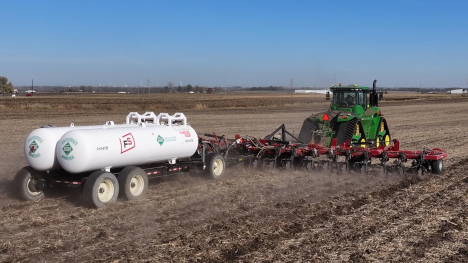
New federal plans target farmers' fuel and fertilizer costs through direct relief and investments in domestic fertilizer production.
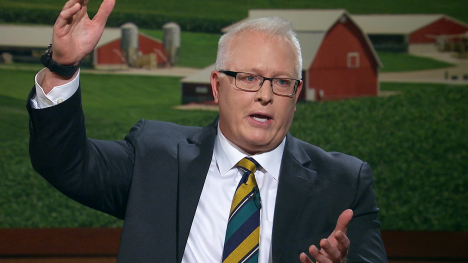
Chris Robinson weighs corn recovery prospects, soybean price levels and the rebound in cattle.