This week, the House Agriculture Subcommittee on Conservation and Forestry met to hear about lessons learned from the 2018 Farm Bill.
Stakeholders work to correct issues in the 2018 Farm Bill
Share


This week, the House Agriculture Subcommittee on Conservation and Forestry met to hear about lessons learned from the 2018 Farm Bill.
Transcript
Michael Crowder, President, National Association of Conservation Districts: “more boots on the ground”
This week, the House Agriculture Subcommittee on Conservation and Forestry met to hear about lessons learned from the 2018 Farm Bill.
The panel of witnesses told members the process to participate in federal conservation programs needed to be streamlined.
Iowa cattle rancher Shayne Wiese told the committee about his experience where he tried to get cost-share dollars for a new cattle watering system through the Environmental Quality Incentives Program.
Shayne Wiese, Rancher, Manning, Iowa Wiese, Iowa Cattlemen’s Association, “Now I applied and we waited and waited and finally we just had to bite the bullet and do it. I am one of the spoiled few in the cattle business that has a generational ranch that is setup with land, resources and capitol so I can do that process of buying that outright. Beginning ranchers and farmers don’t have that in the current state of the business.”
Stakeholders also told the committee there needed to be flexibility in the Conservation Reserve Program and urged members to avoid a “one-size fits all solution” to emergencies like drought.
Nicole Berg, President, National Association of Wheat Growers: “So then the farmers are led ‘Now what?’ I have no flexibility in the program and I need to make sure that I either get it established or I have to pay it back and, so, that becomes very difficult for farmers.”
One of the many concerns brought to the committee was the need for more Natural Resources Conservation Service employees and the necessity of providing them a competitive wage.
Michael Crowder, President, National Association of Conservation Districts: “In Washington State, a new employee would make $24,000 more if they worked for the state of Washington than the NRCS. So they’re losing engineers and other specific employees because there’s not enough funds to compete with the private or other federal agencies.”
More hearings are planned in the coming months.
For Market to Market, I’m David Miller.
Watch More
A growers association reports average losses of $500 per acre as sugarbeet harvest gets underway.
Shawn Hackett weighs corn demand, USDA yields and potential November turning points for grains.
Sugarbeet losses, diesel costs, Montana’s feral horses and market analysis with Shawn Hackett.
Shawn Hackett weighs storing corn versus selling soybeans and Brazil’s potential weather risks.
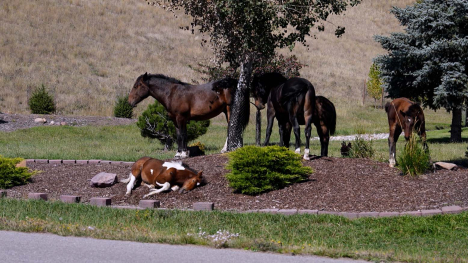
Montana residents balance affection for free-roaming horses with safety and property concerns.
Global supply disruptions keep fertilizer markets volatile heading into 2027.